Madagascar hunger crisis set to worsen, with 3.72 million people at risk
Madagascar hunger crisis set to worsen, with 3.72 million people at risk

Listen to article
3 min listen
Audio reading is not supported on this browser.
Ready

Thanks for listening. Continue with a related story, or tap the speaker icon on the next page to listen.

Related story

Djibouti hunger crisis worsens as 256,000 people face acute food insecurity

Bashir Mbuthia  ·  19 hours ago
Read next Opens a fresh page.

The number of people facing emergency conditions rose from 25,000 between March and May 2026 to 183,000 between June and September 2026.

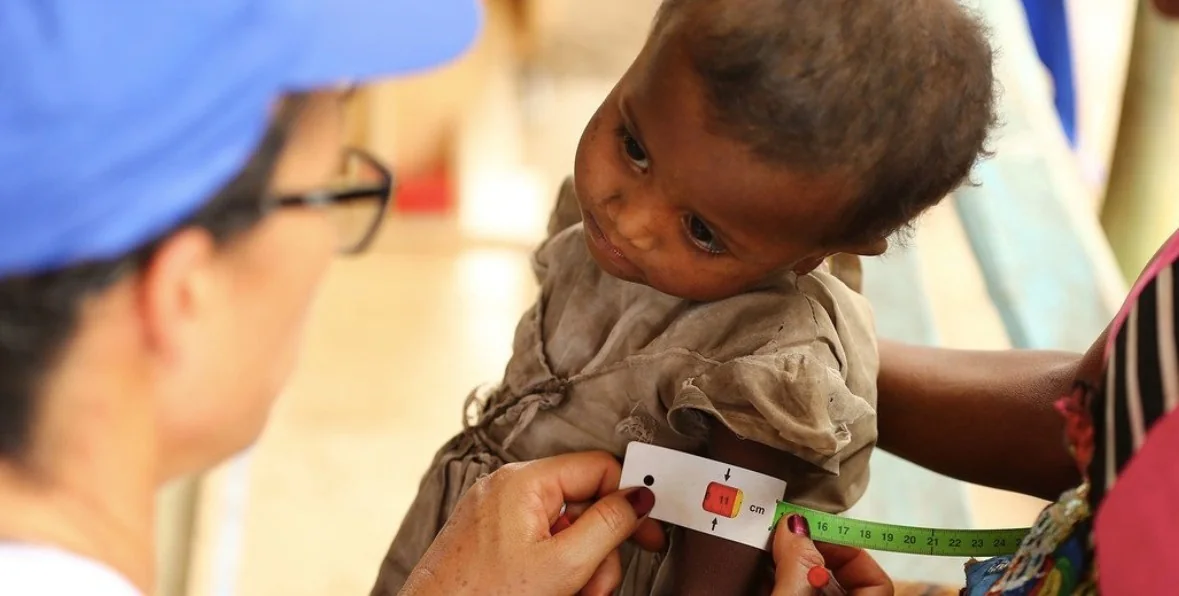
More than three million people in Madagascar are expected to face crisis-level hunger in the coming months as the country enters a difficult lean season marked by depleted food supplies, high prices, and climate pressures, the latest analysis by the Integrated Food Security Phase Classification (IPC) has shown.
The IPC estimates that 3.72 million people will face acute food insecurity between October 2026 and February 2027, including nearly 426,000 people who are likely to experience emergency levels of hunger.
The projected deterioration follows a short period of improvement after the harvest season. Between June and September 2026, about 2.12 million people were facing crisis-level hunger or worse, down from 2.57 million between March and May, as newly available harvests temporarily eased pressure on households.
However, the IPC warns that the gains are fragile and are expected to disappear as families run out of food stocks and rely more heavily on markets where prices remain high.
“Conditions are expected to deteriorate dramatically,” the IPC said, citing the combined impact of the lean season, depleted stocks, high prices and climate risks linked to El Niño.
The situation is particularly difficult in Madagascar’s Grand South, where emergency hunger levels have increased sharply.
The number of people facing emergency conditions rose from 25,000 between March and May 2026 to 183,000 between June and September 2026.
For affected families, worsening food insecurity can mean eating less, selling assets, taking on debt or abandoning livelihoods in search of income. According to the IPC, without timely support, vulnerable households could fall further into crisis.
The IPC assessment called for immediate assistance to protect families from the worst impacts, including food support and cash transfers for households struggling to meet basic needs.
“The projected decline in assistance coverage is a major risk,” the IPC said, urging additional funding to maintain life-saving support in the most affected areas.
The agency also called for longer-term investment to help communities recover, including support for farming, livestock, small businesses, rural infrastructure and other income-generating activities.

Comments

0
Loading comments...

Trending

Popular Stories This Week