Sport has always been part of who I am.
As a student in secondary school, I competed in the 100 metres and high jump. I dreamed of becoming an athlete until a broken arm during training brought those ambitions to an abrupt end. My days on the track ended, but my love for sport never did.
Over the years, I became a fan first and, eventually, a sports journalist. While I have always loved attending sporting events, I have often avoided local football matches because of concerns over crowd trouble. Instead, I found myself gravitating towards athletics, rugby and, above all, cricket.
Cricket remains my first love. My father played the game while he was in school, and some of my fondest childhood memories are of us sitting together watching matches on television. He patiently explained the rules, the tactics and the beauty of the game, nurturing a passion that has stayed with me ever since.
Although I had covered sports before, my interest in sports journalism truly took off during last year's African Nations Championship (CHAN). From that point, I immersed myself in covering some of Kenya's biggest sporting events, discovering that every competition offered more than just results - it offered stories of determination, sacrifice and resilience.
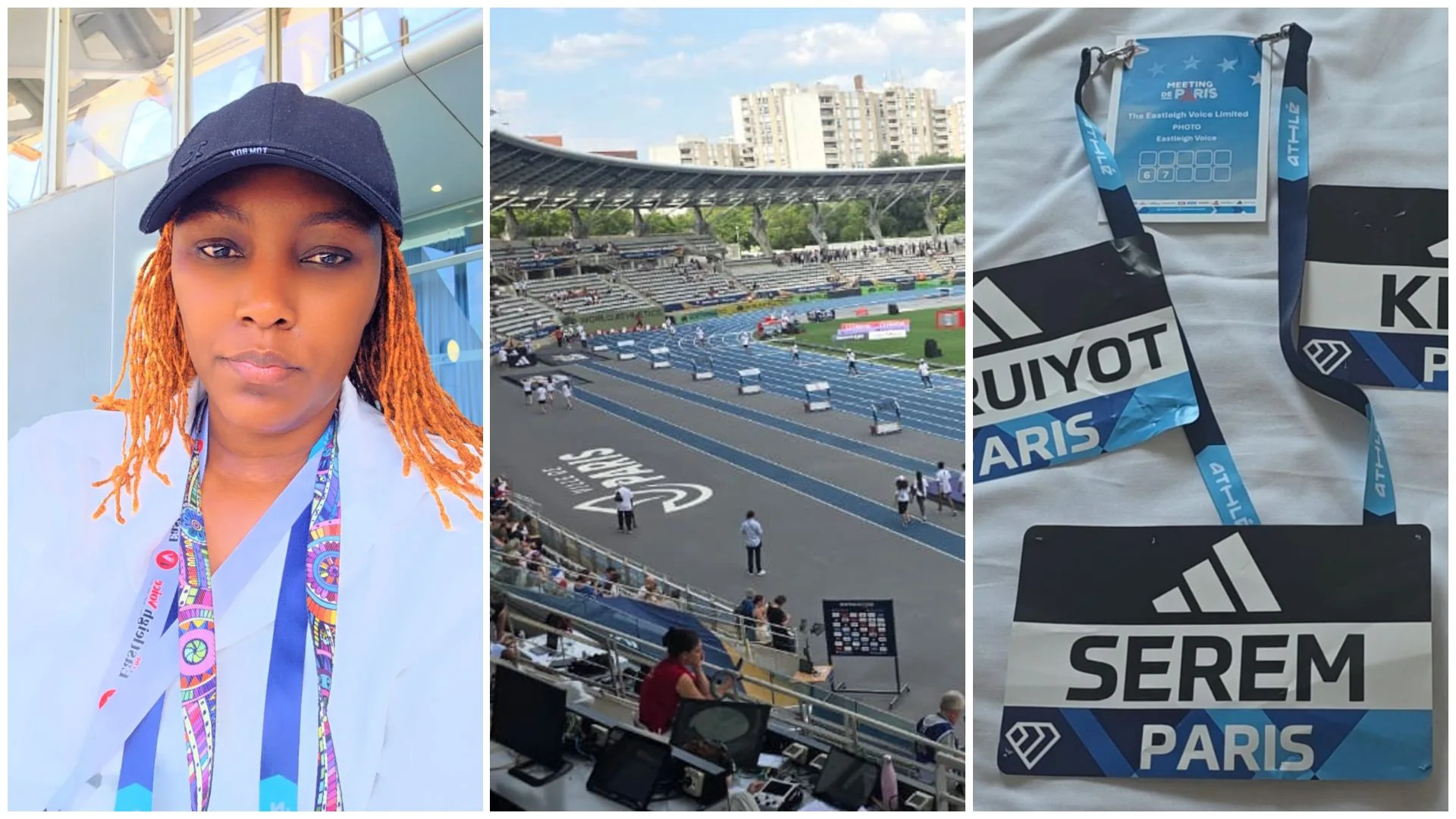
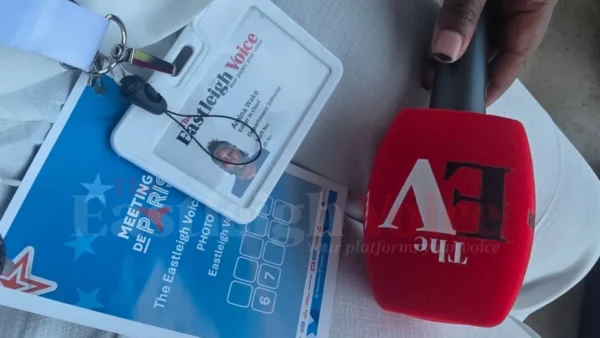 The Eastleigh Voice Editor‑in‑Chief Amina Wako covered the 2026 Wanda Diamond League at Stade Charléty in Paris, France. (Photo: Amina Wako)
Nothing, however, prepared me for the opportunity that came in June when I travelled to Paris to cover the Wanda Diamond League.
For any sports journalist, the Diamond League is among the pinnacle of athletics. Being there, surrounded by Olympic and world champions, watching history unfold from the media tribune, was both surreal and humbling. It was the kind of assignment I had once only imagined.
Yet my favourite moments came after the races.
Standing at the mixed zone, waiting to interview Kenya's athletes, I witnessed something that statistics and medal tables can never capture. There was genuine excitement on their faces when they spotted a familiar Kenyan journalist waiting for them at the end of the race.
What made the experience even more memorable was what happened after some of the interviews. A number of the Kenyan athletes removed their race bibs and handed them to me as souvenirs. It was an unexpected gesture that left me both humbled and excited.
Those bib numbers represented far more than pieces of paper - they were symbols of trust, appreciation and a shared Kenyan connection thousands of kilometres from home. They have become treasured reminders of my first Diamond League assignment and of the athletes whose stories I had the privilege to tell.
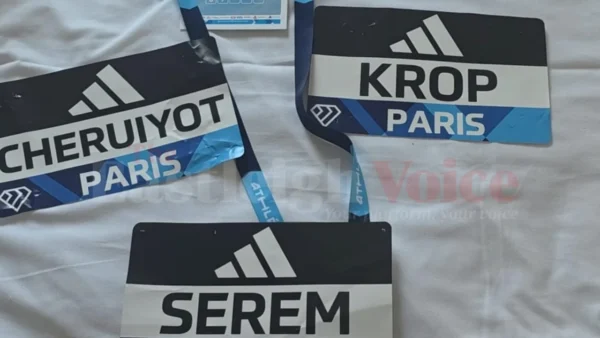 Reynold Cheruiyot, Edmund Serem and Jacob Krop's race bibs. (Photo: Amina Wako)
The gesture also revealed something else. Too often, when Kenyan and African athletes fail to finish on the podium, they are left to walk through the mixed zone alone. Cameras disappear. Microphones are packed away. Attention shifts to the winners.
But every athlete has a story worth telling.
Sometimes the most powerful stories belong to those who fell short, battled injury, endured disappointment or simply gave everything they had on the track. They deserve to be heard just as much as champions.
That experience changed my perspective on sports journalism.
I realised I want to be the journalist waiting at the finish line regardless of the outcome. Whether an athlete wins, loses or finishes outside the medals, there is always a story. Sometimes, the greatest victories cannot be measured by a stopwatch.
Away from the competition itself, I was equally fascinated by the precision with which the Diamond League was organised.
Every member of staff knew exactly where they needed to be and what they were responsible for. The day before the competition, organisers conducted a full rehearsal, testing every aspect of the event to ensure everything would run seamlessly. Every movement was timed, every contingency considered.
That preparation proved invaluable when Paris was hit by an intense heatwave.
Despite soaring temperatures and public health warnings, organisers refused to compromise on safety. Instead, they adapted.
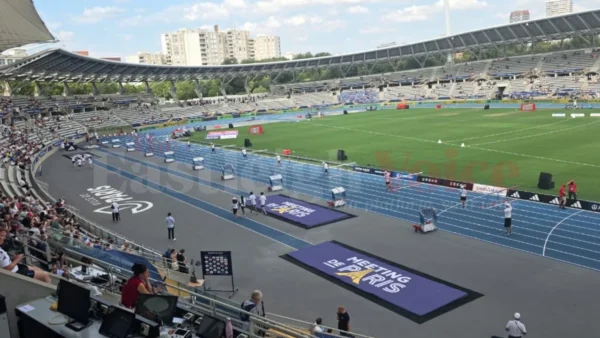 A section of the crowd at the Stade Charléty in Paris, France, during the 2026 edition of the Wanda Diamond League. (Photo: Amina Wako)
Only professional events remained on the programme, with all competitions involving athletics clubs, licensed members and regional athletes cancelled. Stadium gates opened later than scheduled, while the competition programme was compressed to run between 4:55 pm and 7:41 pm to reduce exposure to the worst of the heat.
Medical and emergency services were reinforced, additional drinking water stations and misting points were installed throughout the venue, shaded areas were expanded, and spectators received regular heat safety information.
Watching those measures being implemented reminded me that the success of a major sporting event is determined long before the first starter's gun. It is built through meticulous planning, teamwork and an unwavering commitment to the welfare of everyone involved.
As I left Paris, I carried home far more than interview recordings and notebooks full of quotes.
I returned with renewed appreciation for the people behind the scenes who make world-class sport possible, and an even stronger conviction about the kind of journalist I want to be.
One who tells the stories that others overlook. One who waits at the finish line. Because every athlete deserves someone to listen, whether they cross it first or last.















Comments
Sign in with Google to comment, reply, and like comments.
Continue with Google