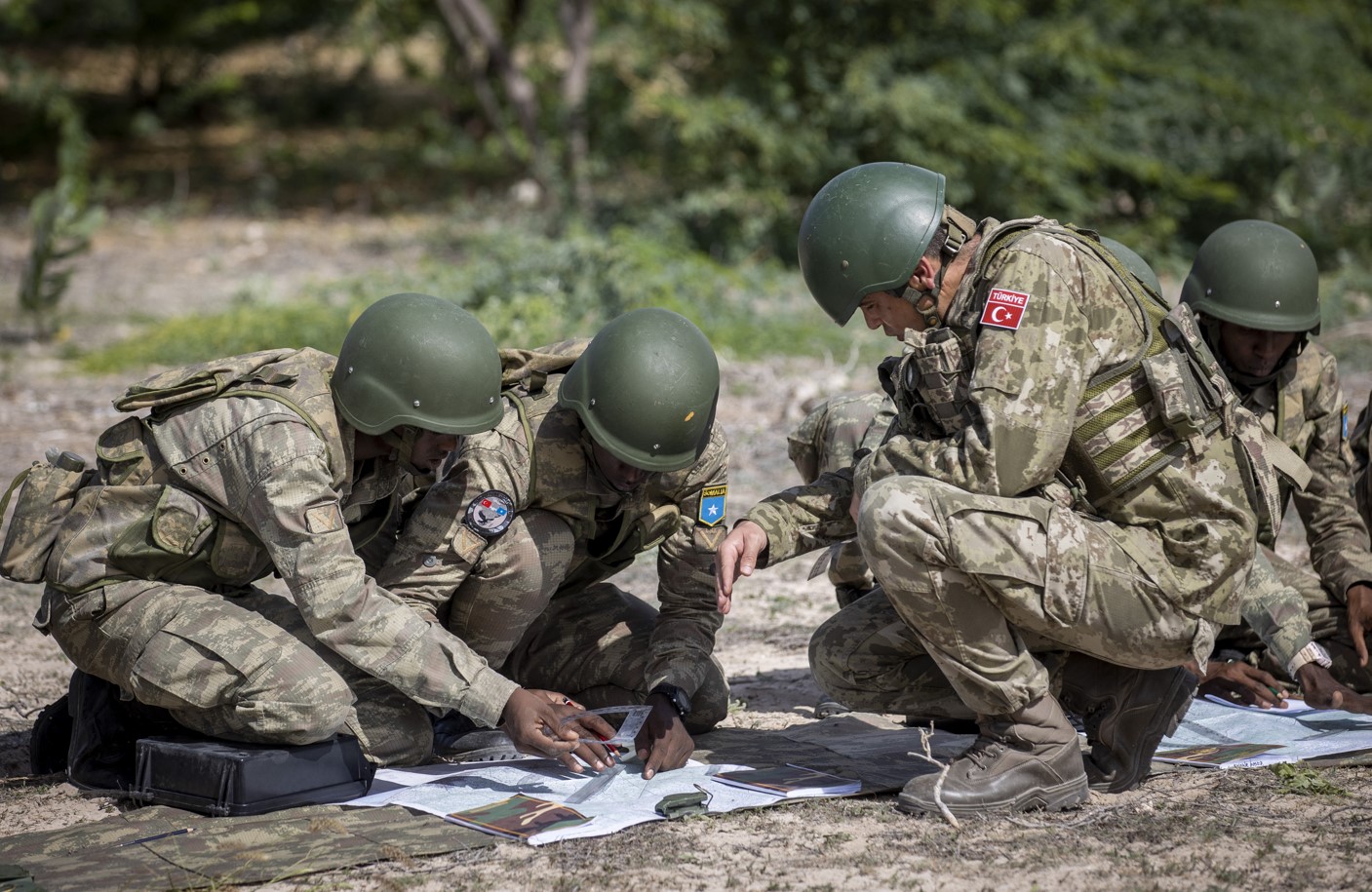
Turkey will maintain its military mission in Somalia for another two years after Parliament approved a request by President Recep Tayyip Erdogan to extend the deployment of Turkish forces beyond its current expiry date. This allows the mission to continue until July 2028 as the two countries expand cooperation in security and energy.
The extension, which takes effect on July 27, 2026, authorises Turkish military personnel to remain in Somalia under defence agreements signed between Ankara and Mogadishu.
Turkish forces will continue supporting Somalia in its efforts to fight the Al-Shabaab insurgency, combat piracy, prevent illegal fishing, disrupt smuggling networks, and respond to security threats on land and at sea.
Turkish authorities said the renewed deployment followed a formal request from the Somali government under the Defence and Economic Cooperation Framework Agreement signed by the two countries.
Ankara said the mission is intended to strengthen Somalia's security institutions while helping the country gradually assume full responsibility for protecting its territory and maintaining national security.
"The continued deployment of the Turkish Armed Forces will contribute to improving the capacity of Somalia's security institutions and support the country's efforts to ensure its own security," the Turkish government said in the proposal submitted to Parliament.
The parliamentary mandate states that all military activities carried out under the mission must comply with international law and resolutions adopted by the United Nations Security Council.
It also gives President Erdogan the authority to determine the number of military personnel to be deployed, the areas where they will operate, and the scope of their activities throughout the mission.
Turkey said Somalia occupies an important position along maritime routes connecting the Gulf of Aden, the Arabian Sea, and the Indian Ocean, making security in Somali waters important for international trade. Thousands of commercial ships use these routes every year to transport goods between Africa, Asia, Europe, and the Middle East.
According to the mandate, Turkish forces will be allowed to conduct operations in areas agreed upon by both governments, including Somalia's maritime territory.
The agreement also allows Turkey to cooperate with foreign governments and international organisations whenever such partnerships are considered necessary to support the mission.
Supporters of the extension in the Turkish Parliament said the decision demonstrates Ankara's continued commitment to Somalia and reflects the close partnership between the two countries.
They said the mission was approved in response to a request from Somalia's internationally recognised government and argued that helping Somalia build capable security institutions would contribute to stability in the Horn of Africa while protecting international shipping routes that are important to the global economy.
Relations between Turkey and Somalia have expanded steadily since 2011, when Ankara increased its engagement with the country through humanitarian assistance, development projects, public infrastructure, education, and security cooperation.
Over the past fifteen years, Turkey has become one of Somalia's closest international partners and has played a major role in rebuilding several public institutions.
The two countries have signed a series of defence agreements covering military training, financial assistance, technical cooperation, scientific exchange, and collaboration between their defence industries. These agreements have formed the foundation of Turkey's military presence in Somalia.
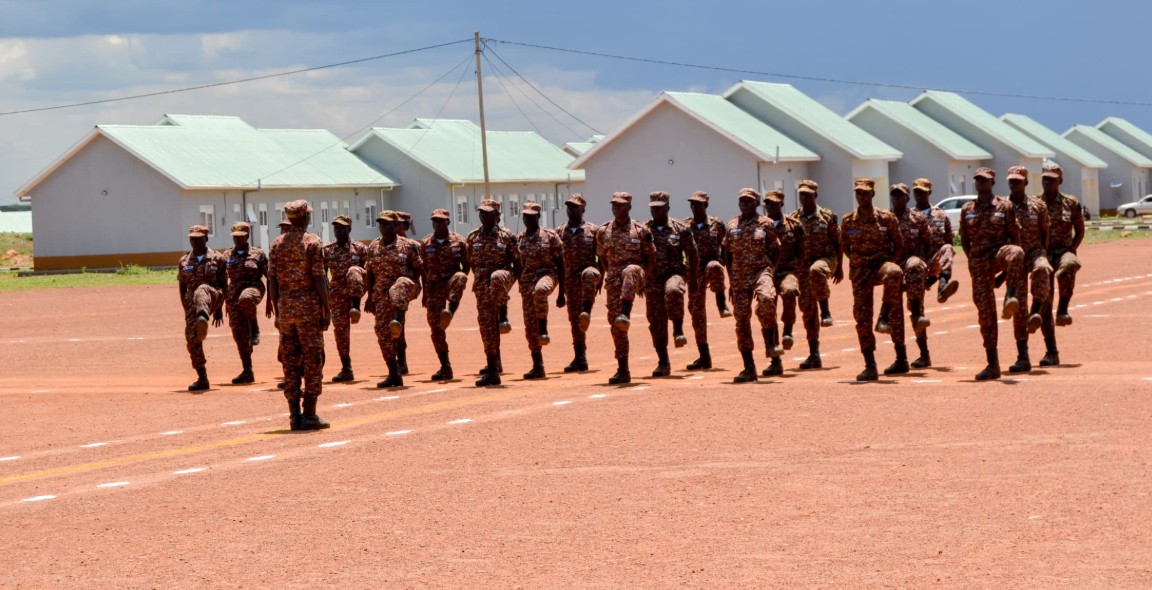
One of the most important parts of that partnership is Turkey's military training facility in Mogadishu, which is the largest overseas military base operated by Ankara.
Thousands of Somali soldiers have completed training at the facility, where they receive instruction aimed at strengthening the country's armed forces and improving their ability to fight Al-Shabaab.
Cooperation between the two countries expanded further in 2024 when Somalia and Turkey signed a new Defence and Economic Cooperation Framework Agreement. The deal increased Turkish support for Somalia's naval security while expanding cooperation in other areas of defence.
The parliamentary approval comes as Ankara and Mogadishu continue working together on offshore oil exploration in Somali waters. Turkish Petroleum, Turkey's state-owned energy company, is drilling the Curad-1 offshore exploration well in partnership with the Somali government.
Somali officials expect the first exploration results before the end of 2026. Located about 372 kilometres northeast of Mogadishu, Curad-1 is Somalia's first officially drilled offshore oil well and began after three-dimensional seismic surveys were completed across three offshore exploration blocks.
Engineers expect the drilling operation to reach a depth of about 7,500 metres and continue for as long as 288 days. If completed according to schedule, Curad-1 will rank among the deepest offshore drilling projects undertaken anywhere in the world, marking another milestone in the growing partnership between Somalia and Turkey in both security and economic cooperation.
























Comments
Sign in with Google to comment, reply, and like comments.
Continue with Google