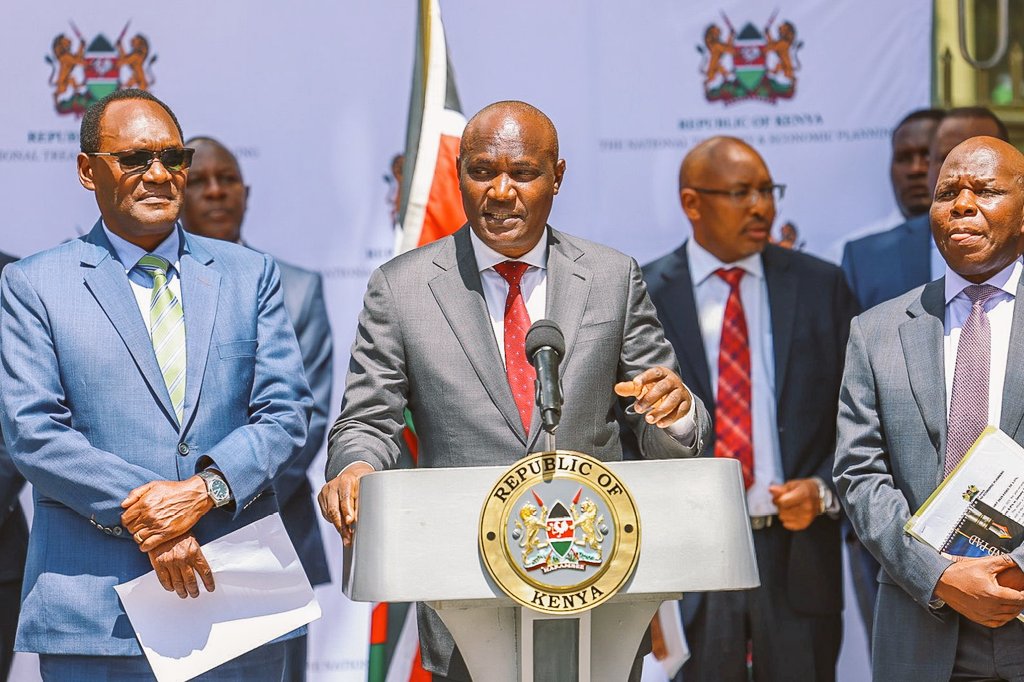
The National Treasury has raised concerns over persistent revenue underperformance and rising budget pressures, warning that the national government may struggle to meet its planned expenditure this fiscal year.
In its submission to the Budget and Appropriations Committee (BAC), the Treasury said key tax streams, including income tax, VAT and excise duty, have all underperformed, leaving projected revenue as of February 2026 at Sh162.6 billion, far below target and placing added strain on public finances.
“The budget pressures are driven by persistent revenue shortfalls and unanticipated expenditure demands,” the Treasury told the Committee.
The document adds that “this has been attributed to underperformance in ordinary revenue as well as administrative inefficiencies in tax collection.”
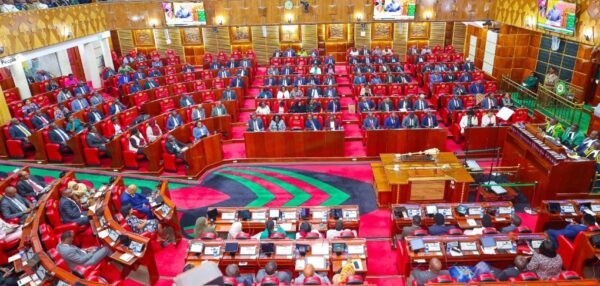
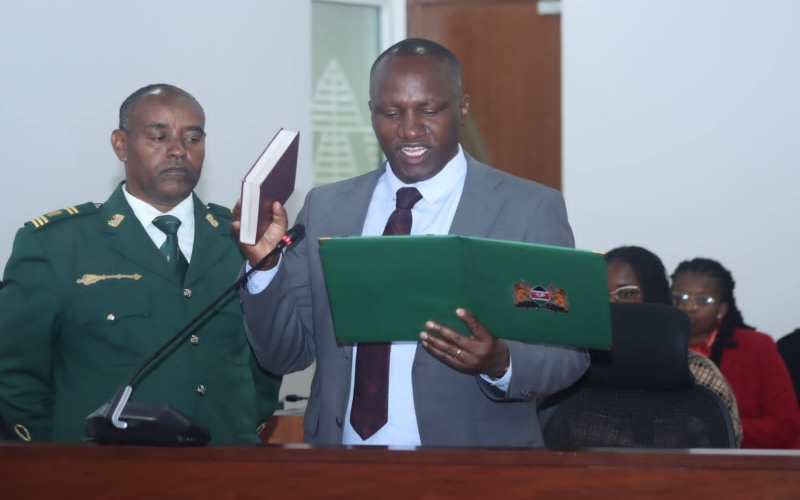
The warning comes as MPs, on April 2, 2026, endorsed the BAC report approving additional spending of Sh363.9 billion for the 2025/26 financial year, less than three months before the fiscal year ends. The extra spending raises the total national budget to Sh4.7 trillion, compared to the Sh4.3 trillion approved by Parliament in June 2025.
The BAC report notes that the missed revenue target is projected to push the national government’s fiscal gap to Sh1.2 trillion, up from Sh933.3 billion initially approved in the 2025/26 estimates.
The committee, chaired by Alego Usonga MP Samuel Atandi, observed that “although recent improvements in customs revenue signal a potential recovery, the revenue gap remains a key concern for fiscal sustainability.”
“The committee noted with concern the revenue shortfalls recorded as of February 2026 and emphasised the need to enhance revenue mobilisation efforts,” reads the report, challenging the Kenya Revenue Authority (KRA) to strengthen performance.
“KRA has been adequately resourced to undertake institutional and policy reforms aimed at improving tax administration, sealing revenue leakages, and broadening the tax base,” it said.
The BAC report indicates that deficit financing will be largely driven by net domestic borrowing, which is expected to rise by Sh323.1 billion to Sh947.8 billion, while net foreign financing is projected to fall by Sh60 billion to Sh227.7 billion.
By the end of February 2026, total revenue collection, including Appropriation-in-Aid (Ai), was Sh1.98 trillion, falling short of the targeted Sh2.14 trillion. The shortfall was primarily driven by weaker performance in key revenue streams, with income tax underperforming by Sh103.5 billion, VAT by Sh40.5 billion, and excise duty by Sh18.6 billion.
“This revenue gap raises concerns about the sustainability of the proposed expenditure increases,” the committee warned.
It further noted that poor revenue mobilisation means the full-year fiscal deficit is likely to exceed six per cent of GDP, reflecting a deviation from the original fiscal consolidation path.

























Comments
Sign in with Google to comment, reply, and like comments.
Continue with Google