Farmers across coastal regions are increasingly turning to drought-resistant maize varieties as unpredictable rainfall and prolonged dry spells continue to threaten traditional farming.
The trend reflects a wider effort to maintain food production under climate stress, while experts stress that access to certified seeds, proper training, and advisory support remains essential to ensuring sustainable harvests.
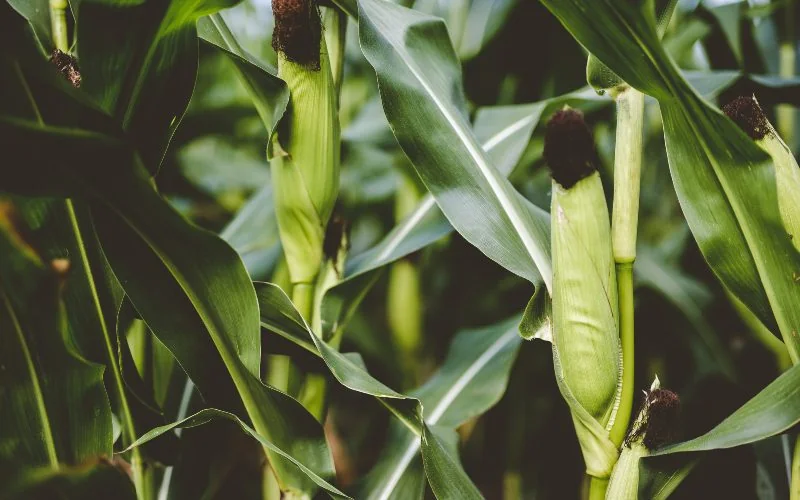
Improved maize varieties such as DK777 are gaining popularity because they mature within two and a half to three months, making them particularly suited to areas with erratic rainfall.
The shorter growing cycle allows farmers to harvest reliably despite changing weather conditions.
During a seed awareness event in Ukunda, Kwale County, Retailer Relationship Manager at Bayer East Africa, David Muchiru, emphasised the role of certified seeds in improving crop yields.
“Farmers can confirm that the DK777 seeds they purchase are genuine through the Kenya Plant Health Inspectorate Service (KEPHIS) system. Using certified seeds is a key factor in enhancing productivity and food security,” he said.
Muchiru added that, when combined with recommended farming practices, improved seeds often produce higher yields than traditional varieties.
Farmers who have adopted these varieties report tangible benefits.
Jackson Chakaya, a farmer from Mbegani village, said, “The DK seeds perform much better than the seeds I used before. My harvests have increased significantly.”
Similarly, Abdallah Juma Chengo from Mwapala village noted that switching to improved seeds has been a turning point for his farm.
“Previously, local seed varieties gave poor yields. Since adopting certified seeds and following guidance from agricultural officers, my farm has become far more productive,” he said.
Francis Menza, a farmer from Kilifi County, highlighted the advantage of early-maturing maize in regions affected by unreliable rainfall.
“With the changing weather, seeds that grow and mature quickly give farmers more certainty,” he explained.
Farmers are also encouraged to verify seed authenticity through KEPHIS to avoid counterfeits in the market.
Stakeholders underscore that widespread access to certified seeds, farmer training, and extension services is critical to raising productivity and safeguarding food supplies.
Public and private sector initiatives continue to support smallholders through demonstration plots and educational campaigns, promoting modern farming techniques.












































Comments
Sign in with Google to comment, reply, and like comments.
Continue with Google