Court hears final arguments in GMO maize case as Biosafety Authority defends approval framework
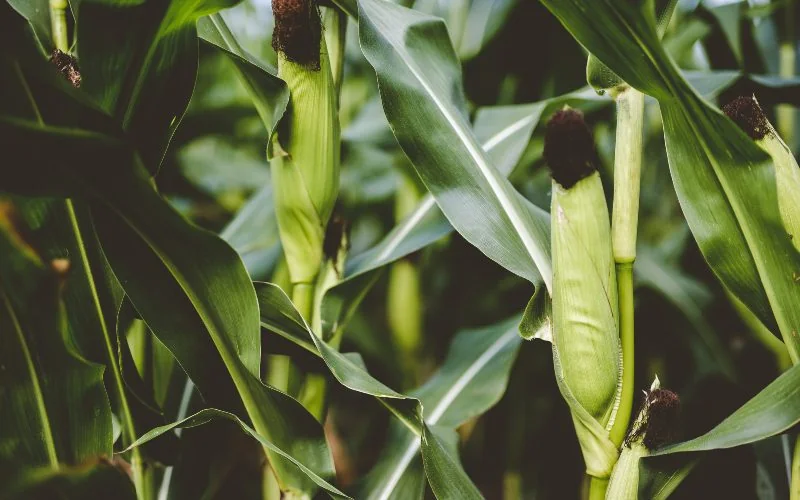
The case before the Kisumu High Court challenges the decision to allow the open-field cultivation and market release of genetically modified Bt maize (MON 89034) in Kenya.
The case before the Kisumu High Court challenges the decision to allow the open-field cultivation and market release of Bt maize (MON 89034). The petition was filed against the NBA, the Ministry of Agriculture and Livestock Development, the Kenya Plant Health Inspectorate Service (KEPHIS) and the Council of Governors (CoG).
During proceedings before Justice Joe Omido, the NBA relied on evidence from its Acting Director for Biosafety Assessment, Awareness and Education, Josphat Muchiri, who maintained that Kenya's GMO oversight regime is founded on international agreements, national legislation and scientific risk assessments.
More To Read
- Experts warn farmers losing up to 50 per cent of yields due to widespread use of uncertified seeds
- Coastal farmers embrace drought-resistant maize amid changing weather patterns
- MPs raise alarm over fake seeds ahead of planting season
- Biosafety authority’s acting CEO faces contempt case over court-declared unlawful appointment
Under cross-examination by State Counsel Matunda Montari, Muchiri told the court that biotechnology is a critical tool in addressing food insecurity, improving nutrition and strengthening resilience against climate change.
“The use of biotechnology to promote food security, nutrition and health is consistent with the State's duty to promote the dignity of its people by ensuring access to safe food, improving public health and enhancing national resilience in the face of climate change and population growth,” Muchiri said.
He argued that Bt maize offers a viable solution to destructive pest infestations that have affected maize production across the country.
Latest Stories
- Risen Sacco, Royal Swift officials summoned by NTSA over crashes in Industrial Area and Namanga
- President Ruto appoints John Maiso Nkoimo Deputy Commander Kenya Army
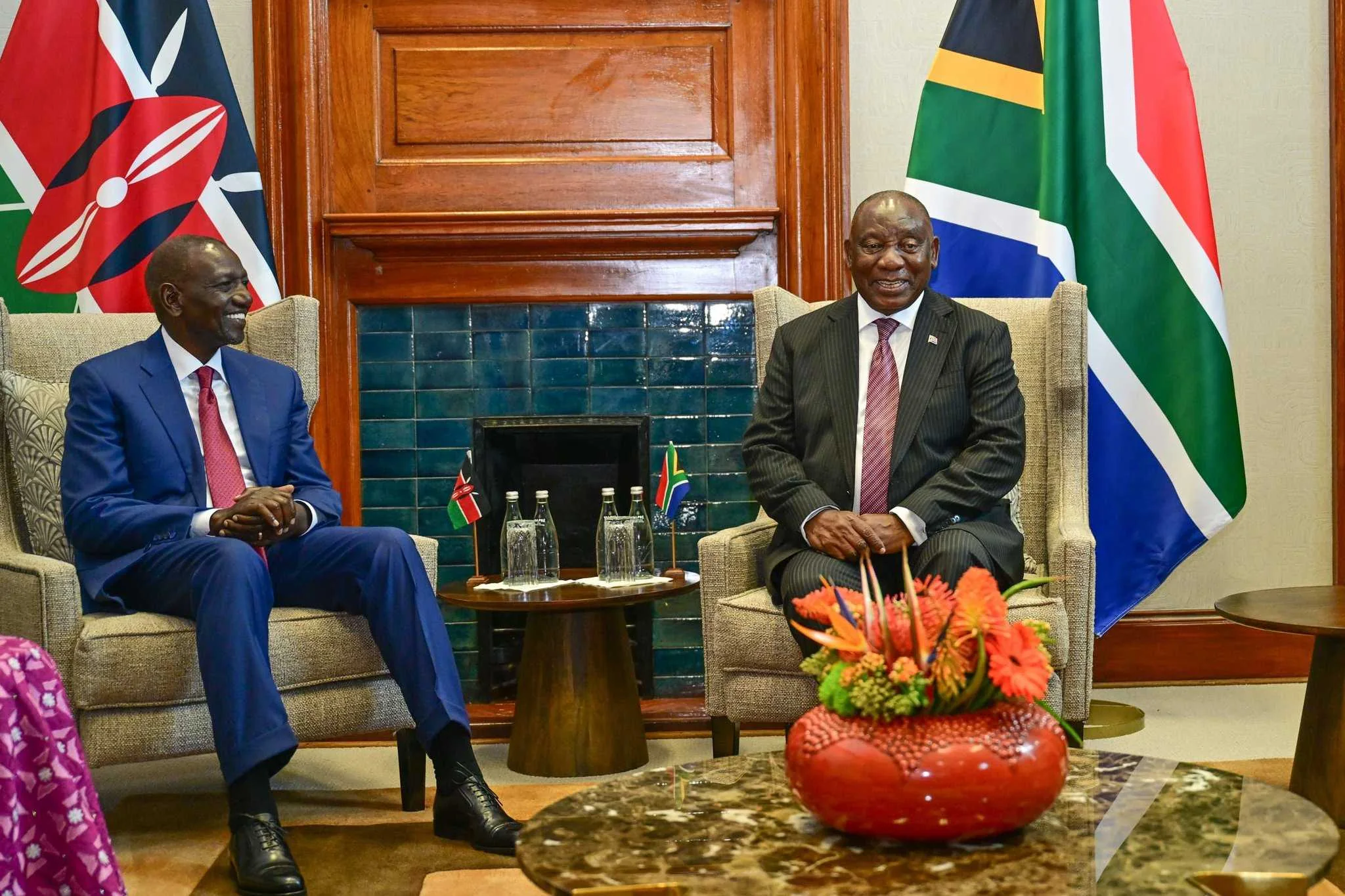
- Ruto hails Kenya-South Africa economies as drivers of continental development
- Anthropic calls for global pause in AI development, warns of 'self-improving' systems
According to Muchiri, every GMO undergoes extensive laboratory testing, greenhouse evaluations and confined field trials before consideration for environmental release.
“All GMOs undergo rigorous assessment focusing on food, feed and environmental safety before approval. These assessments are conducted under strict conditions until sufficient biosafety data is generated,” he told the court.
The NBA further stated that GMO applications are subjected to review by multiple agencies, including KEPHIS, the National Environment Management Authority (NEMA), the Kenya Bureau of Standards (KEBS), the Kenya Wildlife Service (KWS), the Directorate of Veterinary Services and the Department of Public Health.
Rejecting claims that regulators lack the capacity to oversee genetically modified crops, Muchiri said the Biosafety Act provides a clear mandate for regulation and oversight.
“We have the required regulatory framework in place, and that has been affirmed by the High Court. With all the institutions involved, we should be confident that our health and environment are in safe hands,” he said.
Justice Omido directed parties to file written submissions by July before preparing judgment in the petition.
Top Stories Today







































Comments
Sign in with Google to comment, reply, and like comments.
Continue with Google