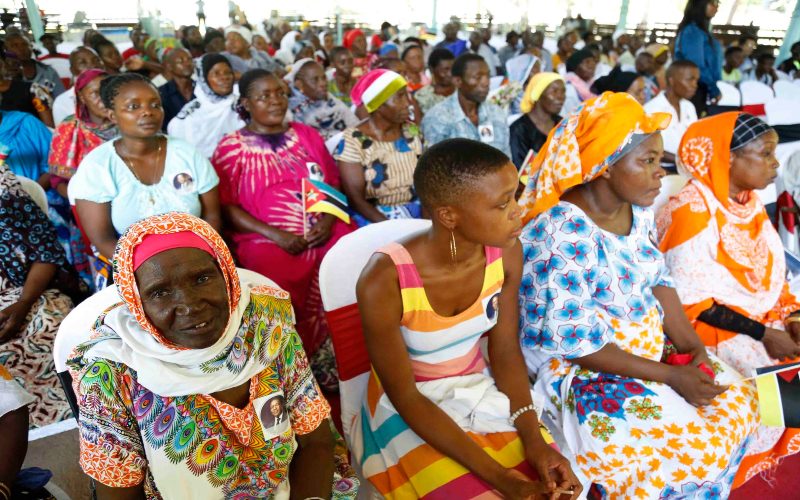
Some members of the Makonde community in Kwale County are still unable to secure national identity cards years after being formally recognised as Kenyan citizens in 2017, with affected residents citing exclusion during the original registration exercise and continued demands for citizenship certificates they say they do not possess.
Despite the landmark recognition that granted the community Kenyan citizenship after decades of statelessness, several residents say they were left out during the mass registration exercise, particularly those who were below the required age at the time or were not physically present when documentation was carried out.
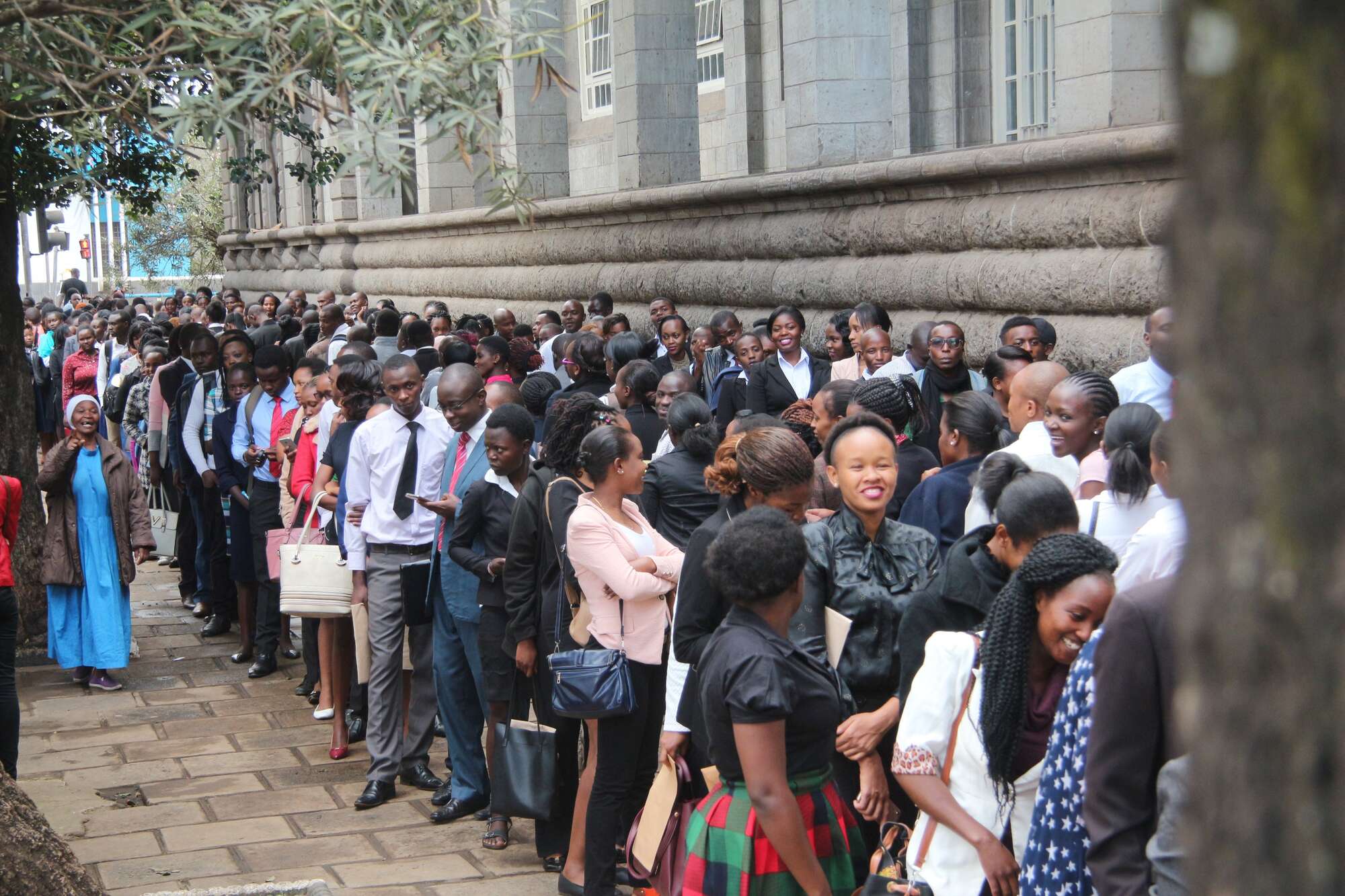
For many, the absence of identity documents has become a major barrier to accessing employment, education opportunities and essential public services.
One of those affected, 27-year-old Anna Zacharia Mushiiri from Kwale, says she missed out on the registration process in 2017 and has since been unable to obtain an identity card despite repeated attempts.
“During the process, I did not manage to be registered because I was not around, even though I was born in Makongeni. I was in Malindi, and I did not have any communication back home. When I later came back, I realised others had already received identity cards,” she said.
Anna added that her attempts to acquire an ID have been unsuccessful, as she is repeatedly asked to present a citizenship certificate, which she does not have.
“Whenever I go to follow up, I am told I must first produce a citizenship certificate. I even tried using my mother’s documents, but I was told that because I am Makonde, I must have my own citizenship certificate. That is where I get stuck,” she said.
Her experience is echoed by other young people in the community, including aspiring footballer Abdallah John Fundi, who says the lack of documentation has left him unable to pursue opportunities.
“When you are asked about your ethnic group, and you say Makonde, you are told to bring citizenship papers. I do not have those documents. I am always told to go back home and come once I have them, so I am unable to proceed with anything,” he said.
Another resident, Cecilia Daniel, said many Makonde who were not issued with citizenship certificates during the 2017 exercise continue to face systemic exclusion.
“At the moment, Makonde who do not have identity cards are not getting them. You cannot get a job without an ID, and you cannot get an ID without a citizenship certificate, yet we do not have them. We are really suffering,” she said.
Some residents say even older members of the community who were eligible at the time missed out due to documentation gaps, leaving them in long-term uncertainty.
Consolata Lawrence said she is still waiting for a solution years later.
“I have not received any documents at all. I have just been waiting, even up to now, I do not know when I will finally get help,” she said.
Community leaders argue that the initial registration left out a significant number of eligible individuals, particularly children and teenagers at the time, many of whom are now adults but remain undocumented.
Makonde community chairperson Thomas Nguli said the gaps in registration have created long-term challenges for those affected.
“We were told that only those who would be born from 2017 onwards would be automatically considered citizens, but many of those who were 13 or 14 years old at the time were not registered. Those are the ones now facing serious difficulties and asking how they are expected to live without identity cards,” he said.
Community members are now calling on the government to reopen a structured registration exercise or provide an alternative administrative solution to ensure those left out are formally documented, warning that the number of affected individuals is likely to grow if the issue is not urgently addressed.


























Comments
Sign in with Google to comment, reply, and like comments.
Continue with Google