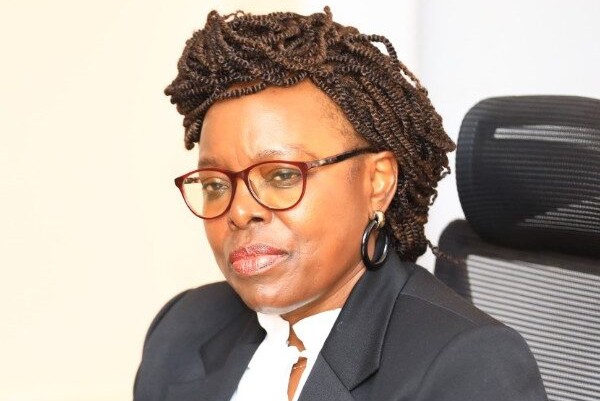
The government has allocated Sh14.63 million as a gratuity payment for Controller of Budget Margaret Nyakang’o, to be paid at the end of her eight-year non-renewable term in January 2027.
The Consolidated Fund Services report before the National Assembly shows the payout is part of broader budget estimates covering retirement benefits for key public institutions, including the Teachers Service Commission (TSC).
The report indicates that the TSC will spend Sh44.4 million for commissioners exiting service, as part of planned end-of-term payments for constitutional offices and commissions.
Nyakang’o succeeded Agnes Odhiambo, the first Controller of Budget, whose term ended in August 2019. Under the Constitution, the Controller of Budget serves a single eight-year term and is not eligible for reappointment, meaning Nyakang’o is expected to retire in early 2027.
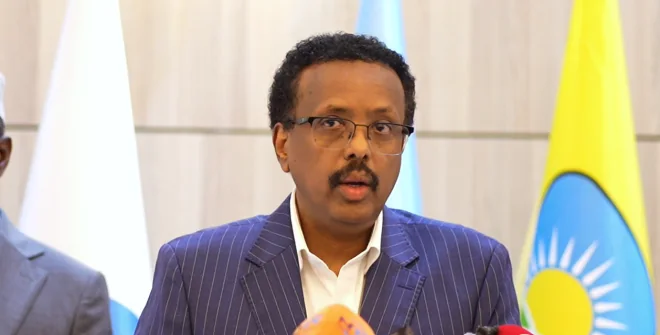
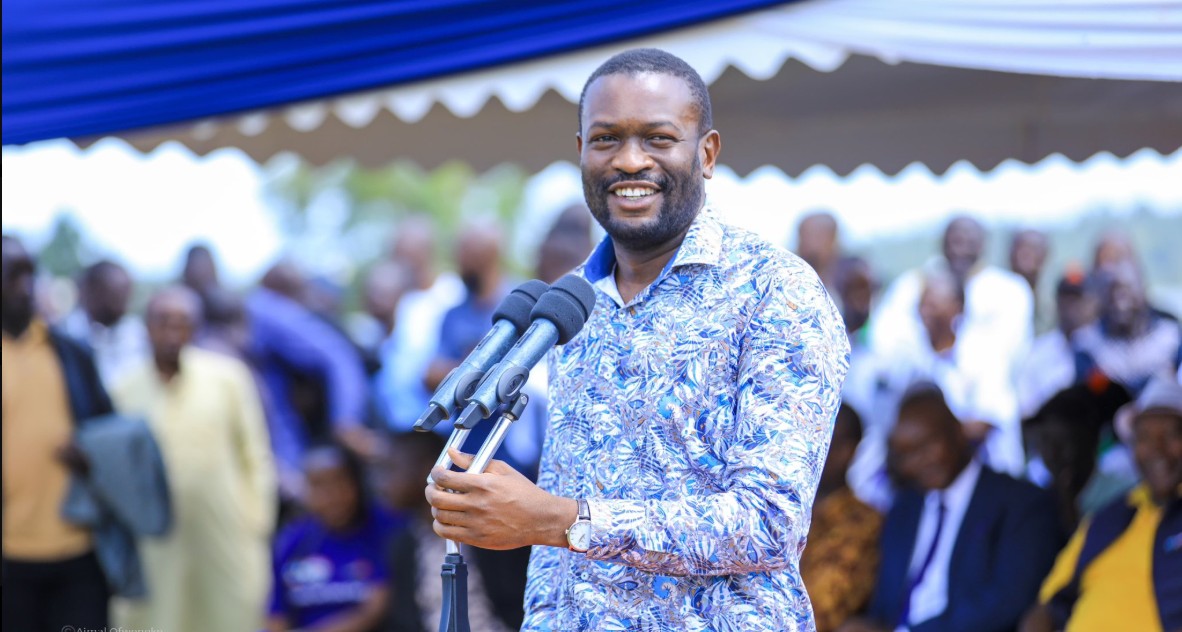
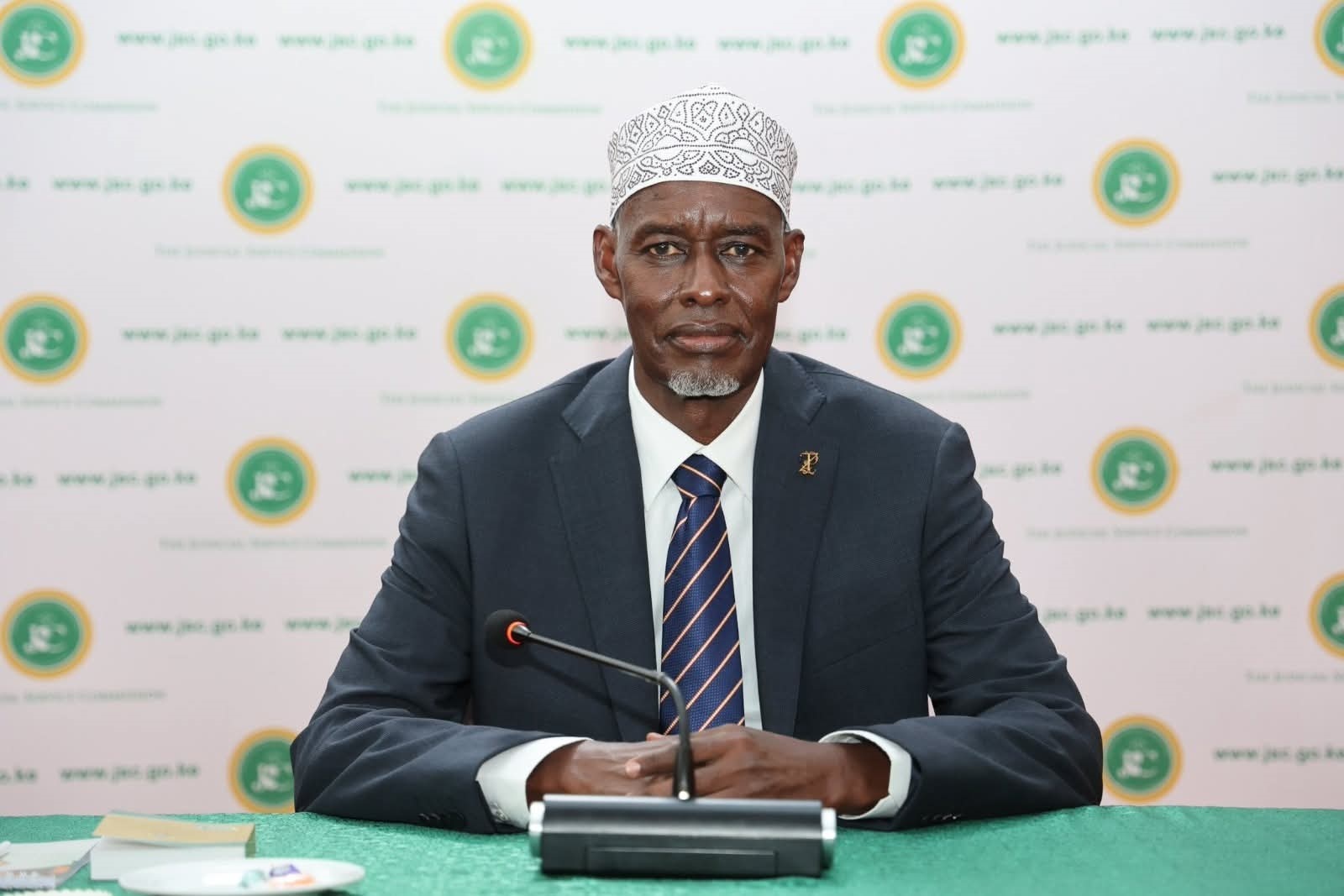
Balambala Member of Parliament Abdi Shurie, who chairs the committee, said the increase in expenditure is largely driven by key statutory payments outlined in the budget estimates.
“The increase is mainly driven by Sh139.54 million for the judicial department, gratuity payment of Sh14.63 million to the Controller of Budget, and Sh44.4 million to the Teachers Service Commission, partly offset by reductions across the other commissions and offices,” he said.
The Office of the Controller of Budget is an independent office established under Article 228 of the Constitution, with the core mandate of overseeing the implementation of budgets of both national and county governments by authorising withdrawals from public funds.
The office is also required to prepare, publish and publicise statutory reports, conduct investigations either on its own initiative or following public complaints, and use alternative dispute resolution mechanisms to settle disputes.
It further advises Parliament on matters relating to the transfer of funds to State organs and other public entities.
Article 228 provides that the Controller of Budget shall be nominated by the President and, with the approval of the National Assembly, appointed by the President.
To qualify for the position, a person must have extensive knowledge in public finance or at least 10 years’ experience in auditing public finance management.
The law further states that the Controller of Budget shall serve a single eight-year term and is not eligible for reappointment.
The office is also required to submit quarterly reports every four months to both Houses of Parliament on budget implementation at both national and county levels.
During her tenure, Nyakang’o has on several occasions raised concerns over Kenya’s debt levels, warning that the government risks defaulting on its Sh3.32 trillion external debt repayment obligations unless fiscal consolidation measures are implemented.
She has cautioned that rising debt servicing obligations are limiting fiscal space and reducing the government’s ability to fund development and social programmes, including health, education and social protection.
Appearing before the National Assembly Public Debt and Privatisation Committee, she said the country’s growing debt burden poses a major fiscal challenge.
“The high debt servicing heightens fiscal vulnerability, indicating substantial near-term repayment pressure,” Nyakang’o told the committee.
“The skew towards short-term maturities exposes the government to refinancing and rollover risks.”
She further disclosed that fiscal deficits have worsened the debt situation, pushing public debt to Sh12.3 trillion as of December 31, 2025.
Nyakang’o noted that revenue shortfalls compared to projections have forced the government to rely on increased domestic borrowing to finance budget operations.
She also revealed that the government has previously defaulted on Sh53.6 billion in Treasury Bonds by one to two months, raising concerns over its ability to meet debt obligations going forward.




























Comments
Sign in with Google to comment, reply, and like comments.
Continue with Google