G7 leaders back US-Iran deal to reopen Strait of Hormuz and ease regional tensions
G7 leaders back US-Iran deal to reopen Strait of Hormuz and ease regional tensions

G7 leaders welcomed a US-Iran agreement aimed at reopening the Strait of Hormuz, easing regional tensions and advancing talks on Iran’s nuclear programme.

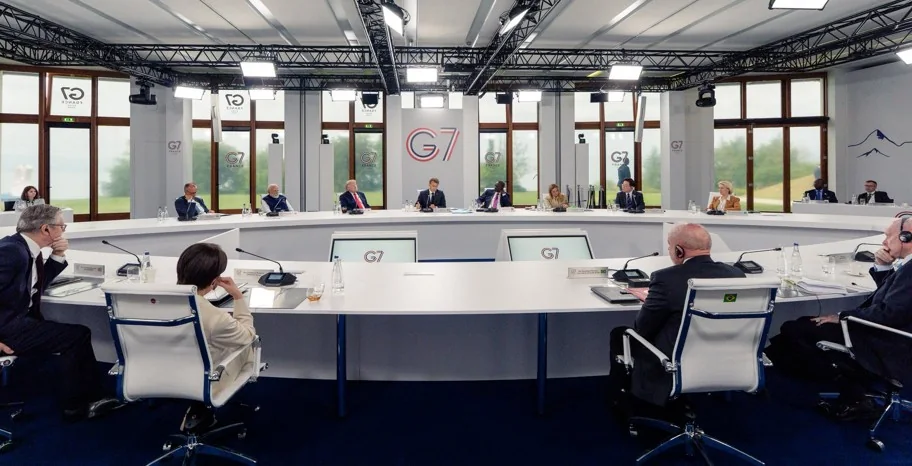
Leaders attending the Group of Seven (G7) summit in France on Wednesday expressed cautious support for a US-Iran agreement aimed at reopening the Strait of Hormuz and extending a fragile ceasefire in the region.

As the three-day summit concluded, French President Emmanuel Macron described the agreement as a “very good deal,” saying G7 allies backed it because it addressed a “situation of great instability that had terrible consequences for our economies.”

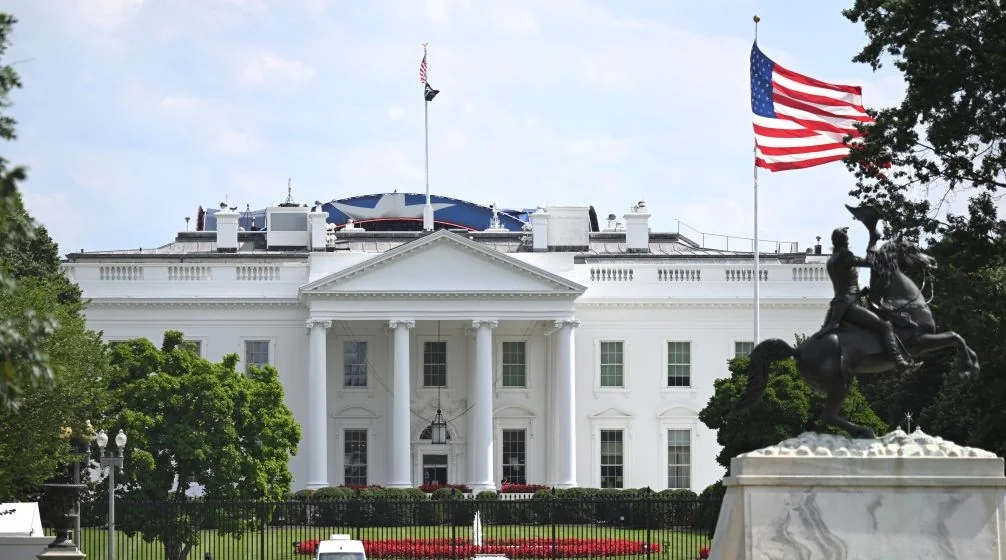
US President Donald Trump, who announced the accord earlier this week, called it “historic,” adding that G7 leaders viewed the initiative as an important step toward restoring stability in a region that is critical to global energy supplies and trade.
The agreement, which is expected to be formally signed in Switzerland on Friday, provides a framework for Washington to work toward lifting US and United Nations sanctions on Tehran if a final agreement is reached on Iran’s nuclear programme. It also includes plans to reopen the Strait of Hormuz, a key global shipping route that has faced disruptions due to regional tensions.
G7 leaders said a France- and United Kingdom-led international maritime mission could help facilitate the safe resumption of shipping through the Strait. The mission would support merchant vessels and assist in verifying the removal of naval mines.
Advertisement
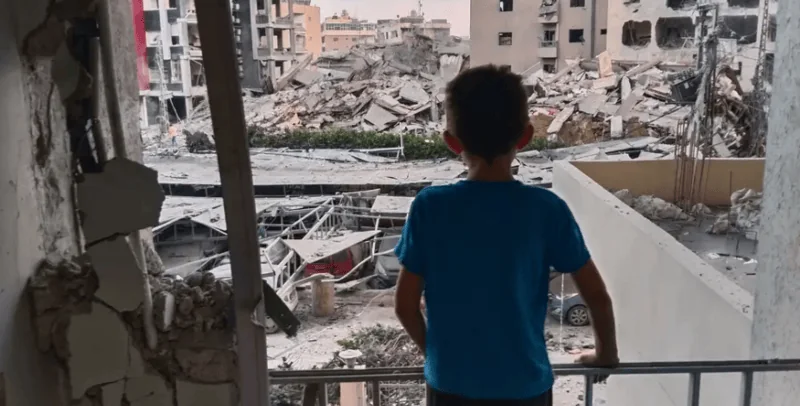
The deal also proposes extending the ceasefire between Israel and Hezbollah in Lebanon, alongside measures to protect Lebanon’s sovereignty and territorial integrity. However, officials acknowledged that the ceasefire remains fragile, with several key details still under negotiation.
Beyond the Middle East, leaders discussed a range of global issues, including the war in Ukraine, sanctions on Russia, artificial intelligence governance, and efforts to combat organised crime and human trafficking.
The summit brought together leaders of the world’s major industrialised economies, along with invited partners including Kenya, India, South Korea and Brazil, highlighting growing calls for broader international cooperation on global security and economic stability.

Comments

0
Loading comments...

Trending

Popular Stories This Week