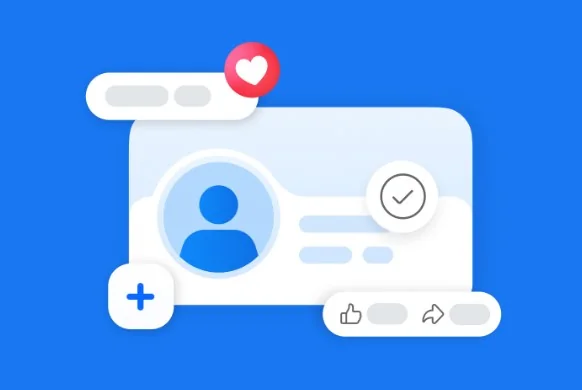
Meta has launched a new free Facebook Verified badge that allows eligible users to prove they are real people by completing a short selfie verification process, as the company steps up efforts to combat fake profiles, scams and AI-generated impersonation on its largest social network.
Unlike Meta Verified, the company's paid subscription service that offers a verification badge along with additional benefits such as account protection and customer support, the new Facebook Verified badge is completely free.
It is designed solely to confirm that a real person is behind a Facebook profile.
The announcement comes as artificial intelligence makes it easier than ever to create convincing fake identities, profile photos and automated messages. Meta says the new badge is intended to help users identify genuine people before interacting with them on Facebook Marketplace, Dating, Groups and other parts of the platform.
How Facebook Verified works
To obtain the badge, eligible users must record a short video selfie while following simple on-screen instructions. Facebook then compares the video with the user's existing profile photos to verify that the same person operates the account.
According to Meta, the verification process typically takes only a few minutes. Users must be at least 18 years old, have an account in good standing and comply with Facebook's Community Standards, particularly those relating to fraud, scams and deceptive behaviour.
The feature is currently unavailable for Facebook Pages and Professional Mode accounts.
Where the badge will appear
Once approved, the badge will initially be displayed on users' profiles as well as in Facebook Marketplace, Dating and Groups. Meta says it plans to expand the badge to Feed posts over time.
The company says the goal is to provide users with greater confidence when buying and selling on Marketplace, joining local groups or communicating with someone they have never met before.
What the badge means and what it doesn't
Meta has emphasised that the free badge does not mean Facebook has endorsed a user or that they are automatically trustworthy.
Instead, it simply confirms that the profile belongs to a real person who completed the selfie verification process and meets Facebook's trust and safety requirements. Users are still expected to exercise caution when buying products, sending money or sharing personal information online.
The company is rolling out Facebook Verified in phases, starting in selected countries before expanding globally. Meta has not yet announced when the feature will become available in Kenya or other African markets.
Eligible users will receive prompts within Facebook once the feature becomes available in their region.
Privacy questions remain
The launch has also sparked privacy discussions, with some users expressing concern about submitting a video selfie to Meta in exchange for verification.
Discussions on Reddit show mixed reactions, with some welcoming the additional protection against fake profiles while others question how biometric data will be stored and used.
Meta says the verification process compares a user's selfie video with existing profile photos to confirm identity. The company maintains that the badge is intended to improve authenticity on Facebook rather than serve as a replacement for its paid Meta Verified subscription.
For millions of Kenyans who use Facebook to buy and sell on Marketplace, join neighbourhood groups or connect through Facebook Dating, the new verification badge could make it easier to identify genuine profiles and reduce impersonation scams.
However, cybersecurity experts continue to advise users to remain cautious.
A verified badge does not guarantee that a seller, buyer or online acquaintance is honest. Users should continue to verify listings independently, avoid making advance payments to strangers and follow Facebook's safety recommendations when meeting people or conducting transactions offline.












































Comments
Sign in with Google to comment, reply, and like comments.
Continue with Google