Nairobi County is poised for a modern underground railway system touted to greatly improve commuter mobility; however, it rekindles memories of other ambitious attempts that failed spectacularly.
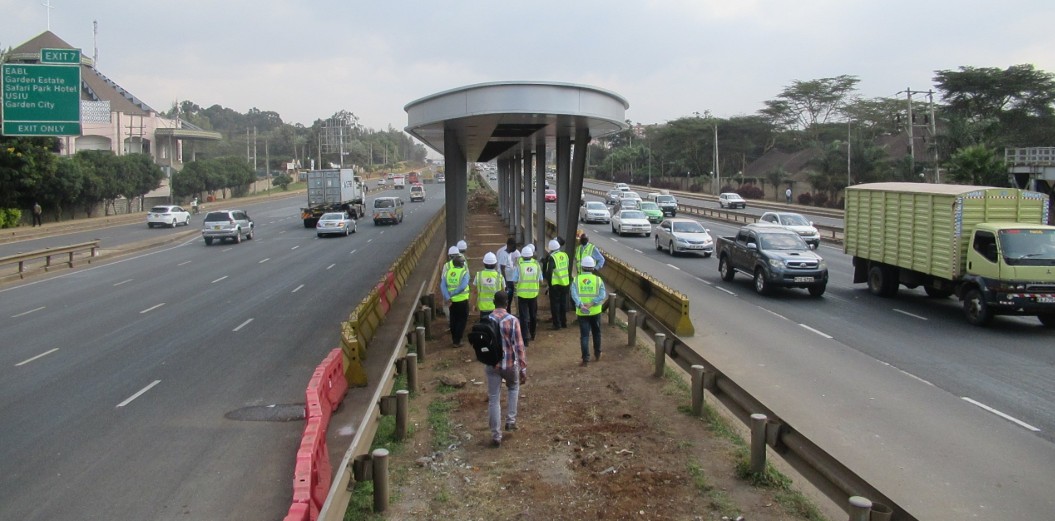
When Kenya announced its plans for a world‑class Bus Rapid Transit system in 2012, optimism was high. Dedicated lanes, modern stations, and efficient buses were expected to transform how Nairobi moved.
The BRT was designed to make public transport faster, cleaner, and more reliable, easing the burden of congestion that costs the city billions annually. Yet more than a decade later, the BRT lanes along Thika Road and Ngong Road stand as reminders of ambition interrupted.
Today, another plan, the city’s first underground railway through the Central Business District (CBD), could change more than just the skyline.
If successfully implemented, the project could make daily commuting faster and stabilise transport costs by reducing congestion and improving efficiency.
The Nairobi County Executive Committee has approved the implementation framework for Phase I of the Nairobi Metropolitan Mass Rapid Transit System (NMRTS), an ambitious project combining an underground CBD railway with a high‑capacity rail link serving Eastlands, one of the city’s busiest commuter corridors.
Although still at the planning stage, and with fares continuing to be determined by operators, fuel prices, and market conditions, transport experts agree that efficient mass transit systems can reduce travel times, lower operating costs, and improve reliability over the long term.
"For far too long, the people of Nairobi, particularly our hardworking commuters from Eastlands and across the metropolitan area, have lost precious hours in traffic jams that slow down our economic growth,” Governor Johnson Sakaja said after the County Executive Committee approved the framework.
The county says the underground railway will be integrated with pedestrian walkways, non‑motorised transport facilities, transit terminals, and the Bus Rapid Transit (BRT) network to create a more connected system.
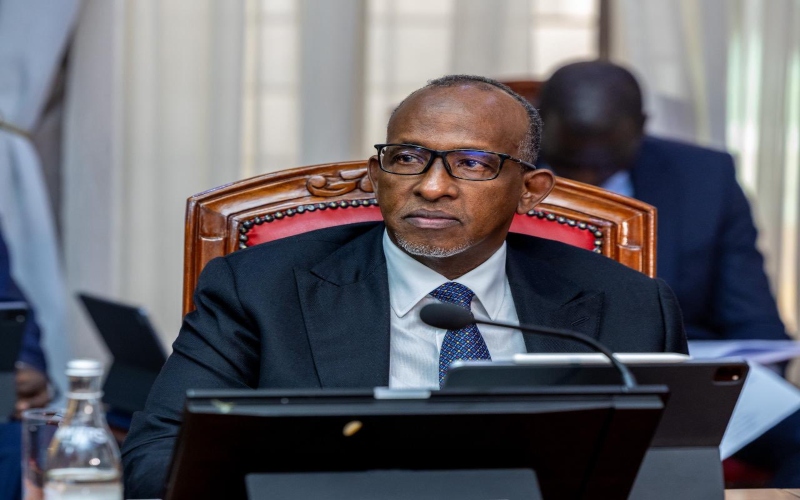
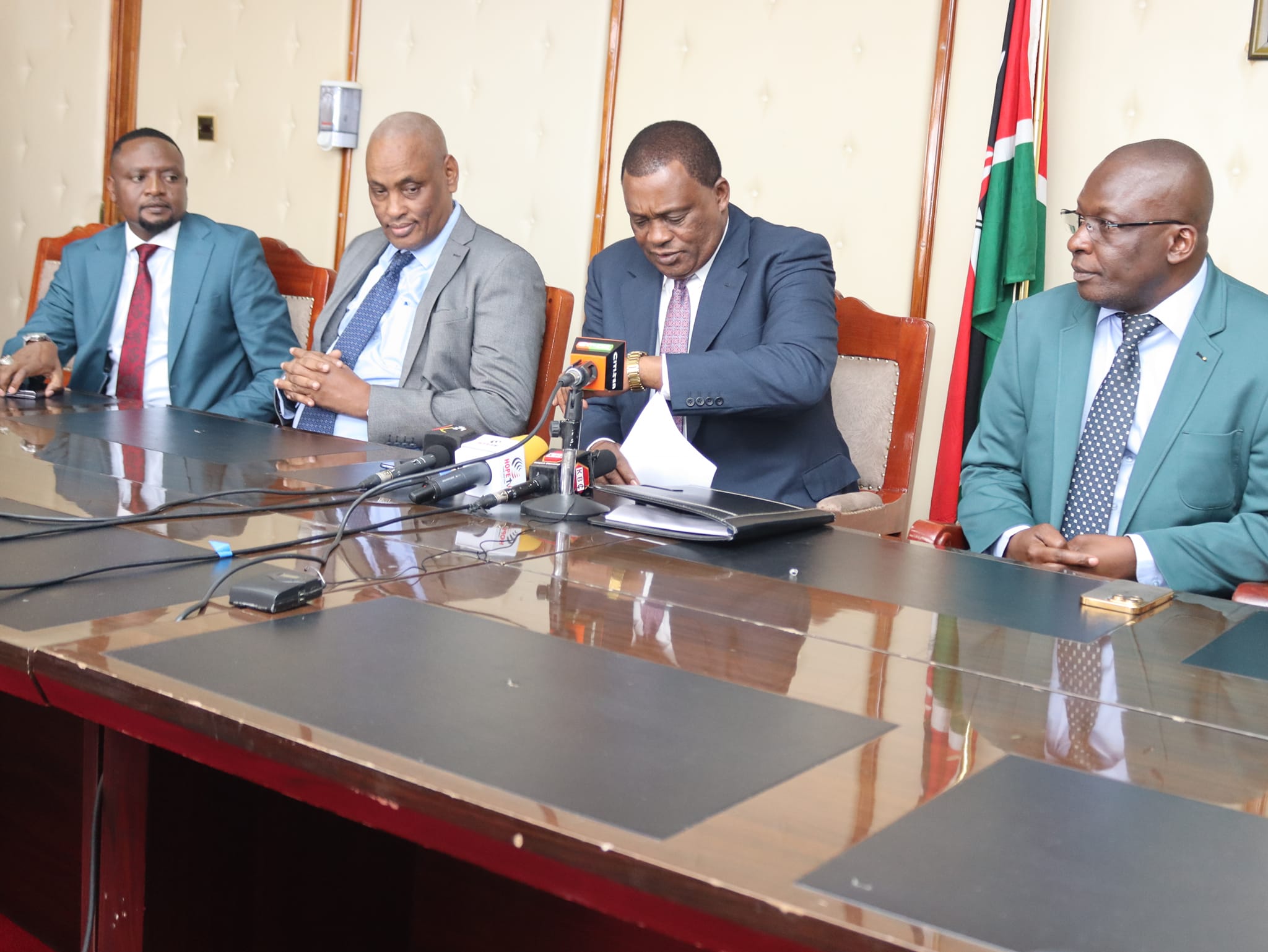
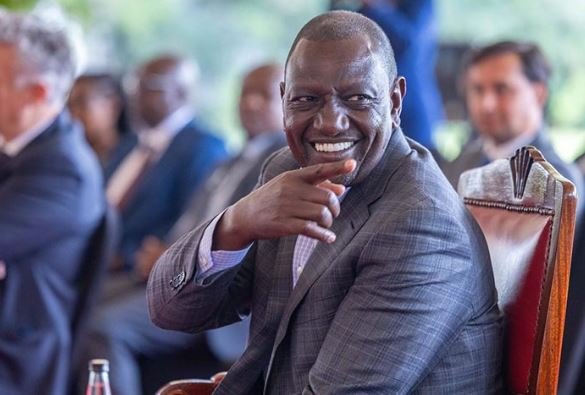
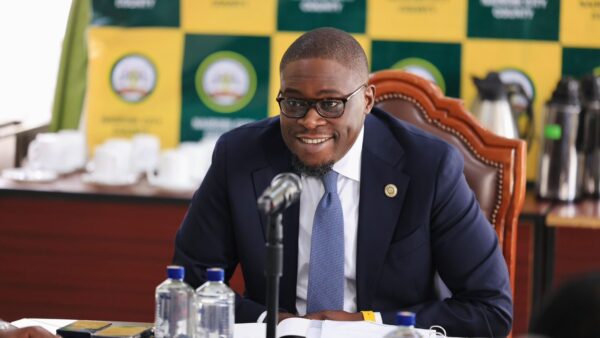 Nairobi Governor Johnson Sakaja during a cabinet meeting at City Hall, Nairobi on January 7, 2024. (Photo: Nairobi County Government)
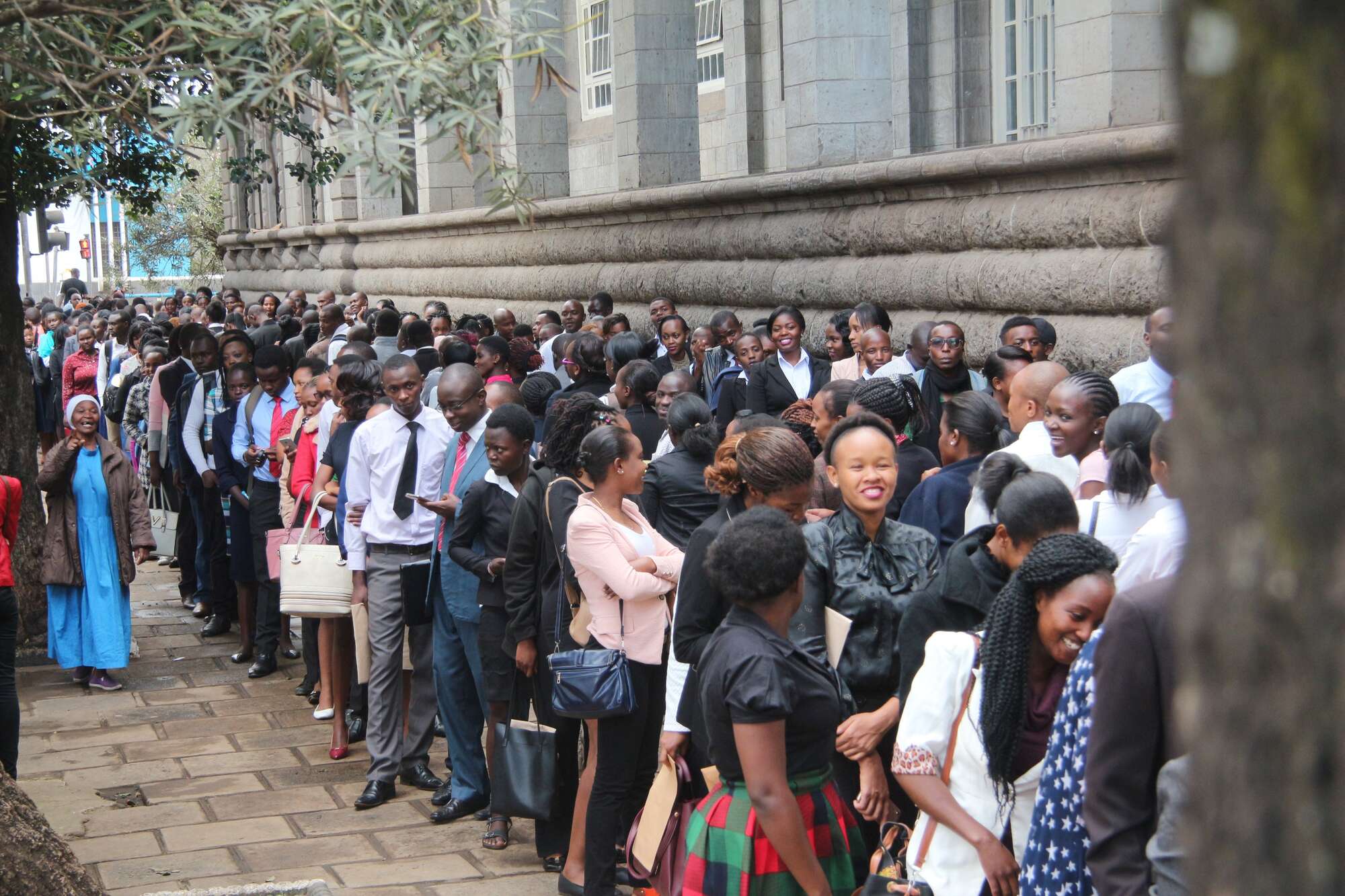
For many city dwellers, especially those commuting from Eastlands to the CBD, transport is one of the largest monthly expenses after rent and food.
Heavy congestion frequently turns short journeys into hour‑long commutes. The delays increase fuel consumption for buses, matatus, and private vehicles while reducing the number of trips public service vehicles can make each day.
Congestion also raises operating costs through higher fuel use, longer idling times, and increased wear and tear. Those costs, together with fuel prices, passenger demand, and market competition, influence how operators set fares.
Many commuters are also forced to board two or more matatus to reach their destinations because routes are poorly integrated, increasing both travel costs and journey times.
The proposed mass rapid transit system aims to address these inefficiencies by moving large numbers of passengers on dedicated rail infrastructure instead of congested roads, particularly along the busy Eastlands‑CBD corridor.
According to Sakaja, reducing those burdens is a key objective of the project. If completed as planned, the system could deliver benefits extending well beyond shorter travel times.
“Today, we are moving from planning to implementation. The approval of Phase I of the NMRTS is our commitment to delivering a modern, fast, safe and dignified public transport system. By integrating an underground CBD core with high‑capacity links to Eastlands, we will unlock Nairobi’s economic potential, lower the cost of transport and build a cleaner, greener and world‑class city.”
The county also plans to integrate the railway with Nairobi’s BRT system through interchange stations, making it easier for passengers to switch between buses and rail services without relying on multiple matatu trips.
The framework presented to the County Executive Committee by Silvester Kasuku, Governance Advisor in the Executive Office of the President, underscores collaboration between the national government and Nairobi City County.
Phase I will focus on the underground CBD section and the Eastlands rail corridor, while Phase II is expected to extend services to Westlands, Ngong Road, and Lang’ata, connecting commuters from Ongata Rongai, Ngong, and Nairobi’s western corridor.
Before construction begins, Nairobi County says it will conduct public participation, stakeholder consultations, and inter‑agency planning to refine the project and prepare for groundbreaking.
For millions of residents, success will ultimately be measured not by the engineering achievement of an underground railway, but by whether it delivers faster, more reliable journeys and makes commuting costs more predictable and affordable.
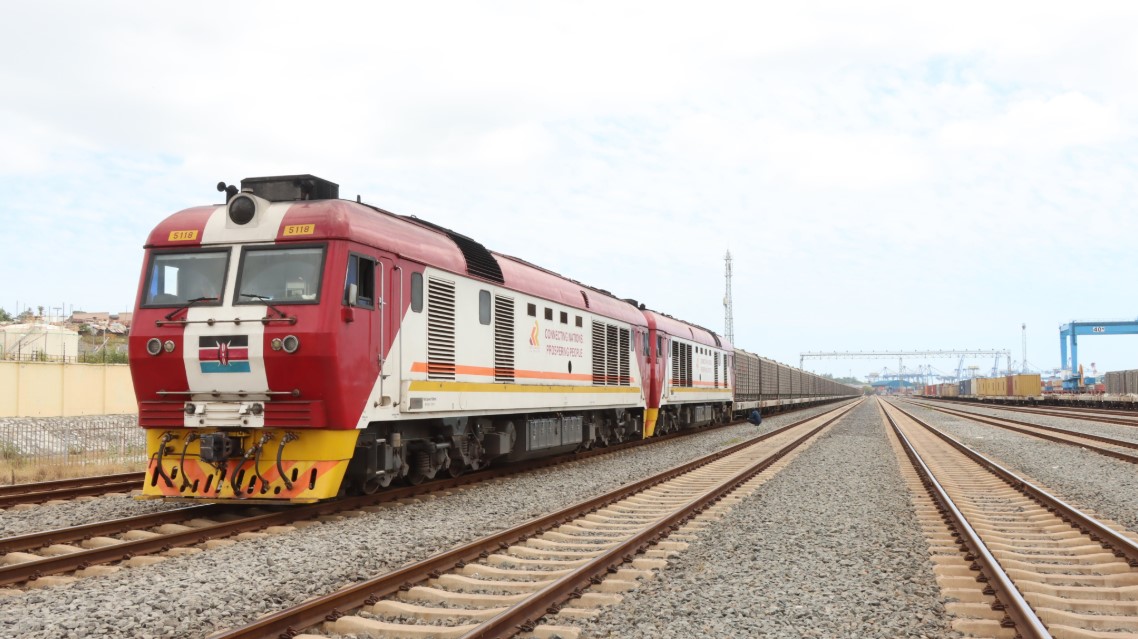
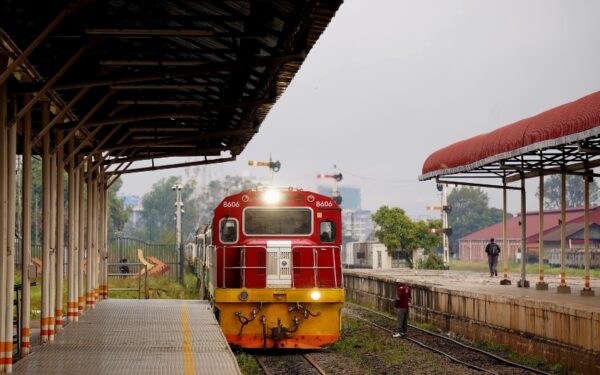 Nairobi Commuter Rail. (Photo: Kenya Railways)
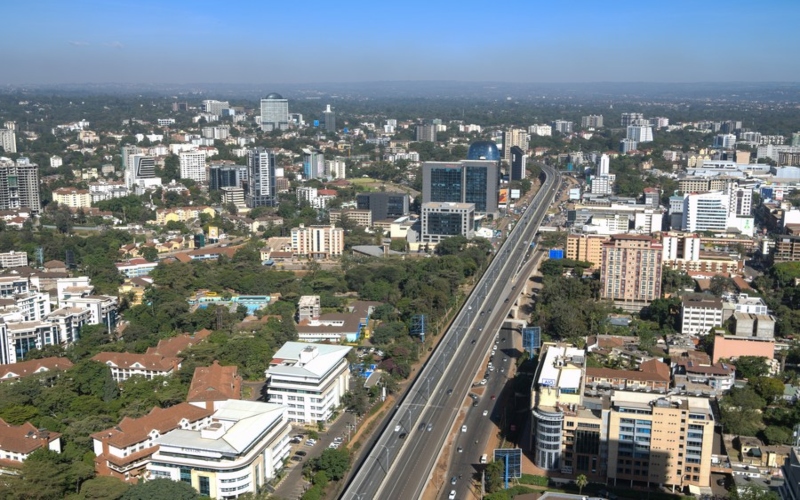
Nairobi is ranked among the ten most congested cities in the world based on the Numbeo global traffic index, which evaluates commute times, carbon emissions, and overall inefficiencies.
The index shows an average commute time of 57 minutes, with inefficiencies driven by heavy personal vehicle use and slow public transport.
Data from the Kenya National Bureau of Statistics (KNBS) indicate that the country registers about 8,000 new vehicles a month, a volume unsustainable in the long term, as current congestion levels demonstrate.
The 2014 Master Plan by the Japan International Cooperation Agency (JICA) estimates that 40 per cent of trips in Nairobi are made on foot, 41 per cent by public transport, and only 13 per cent by personal vehicles.
While most commuters rely on walking or public transport, infrastructure spending has continued to prioritise wider roads for growing vehicle numbers. The Thika Superhighway brought temporary relief, yet peak‑hour traffic is once again at a standstill, only with more vehicles stuck.
Speaking to The Eastleigh Voice, Urban Planner Jacob Otsieno said global experience shows urban highways are ill‑suited to solve pressing mobility issues, and Nairobi should learn from cities that tore down elevated highways to create habitable urban spaces.
"It is imperative that decision‑makers evaluate other sustainable alternatives that can ease congestion. Nairobi lacks quality public transport, and the existing matatu system is perceived as unsafe, unreliable, and uncomfortable, prompting more and more commuters to opt for private cars," notes Otsieno.
He explains that introducing a high‑quality public transport system presents an opportunity to serve the majority of residents and reduce private car use.
"The city also needs a comprehensive network of walkways and cycle paths. Streets need wide footpaths and crossings with traffic calming measures to ensure that vehicles travel at safe speeds," he explains.
Most urban planners believe Nairobi can learn from other developing cities that tackled congestion, including Bogotá, Colombia, and Mexico City, which eased commutes by prioritising public transport, walking, and cycling.
They also note that Kenya can learn from neighbours Tanzania and Rwanda, which have implemented efficient public transport systems. In Dar es Salaam, the DART BRT system cut one‑way commutes from two hours to 45 minutes, benefitting over 172,000 passengers on the first‑phase network.































Comments
Sign in with Google to comment, reply, and like comments.
Continue with Google