People taking popular GLP-1 medications for weight loss and diabetes may face a slightly higher risk of hair loss than those using other diabetes medicines, according to three new studies.
While the overall risk remains low, researchers say the findings highlight the need for patients and healthcare providers to be aware of the possible side effect.
The main findings were published in the BMJ, while two additional studies appeared in the Journal of the American Academy of Dermatology and as a scientific preprint awaiting peer review. Together, the studies suggest that although hair loss is uncommon, it occurs more often among people taking GLP-1 medicines than those using other commonly prescribed diabetes drugs.
GLP-1 medications have become increasingly popular in recent years because they help lower blood sugar levels and promote significant weight loss. They are widely prescribed to treat type 2 diabetes and obesity and have transformed the management of both conditions. However, as their use grows, researchers continue to identify both their benefits and potential side effects.
The researchers found that after two years or more of treatment, people using GLP-1 medicines were 37 per cent more likely to receive a new diagnosis of alopecia, the medical term for hair loss, than those taking SGLT-2 drugs. Their risk was 68 per cent higher than people using DPP-4 inhibitors.
Despite the increase, hair loss remained uncommon. Across the different drug groups, only about three to nine people out of every 1,000 patients each year developed alopecia.
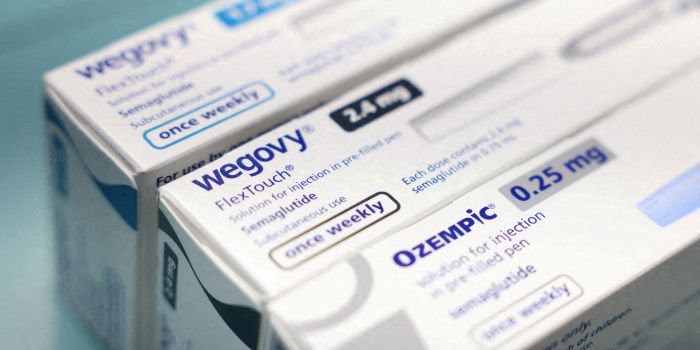
The research included several GLP-1 medicines commonly prescribed for weight loss and diabetes.
A second study involving more than one million people worldwide also found that users of GLP-1 medicines had a significantly higher risk of developing different forms of alopecia than people taking metformin, another commonly prescribed diabetes medication.
A third study compared two of the most widely used GLP-1 medicines and found that people taking tirzepatide were more likely to develop new hair loss than those taking semaglutide.
Among more than 22,000 patients included in the analysis, new cases of alopecia occurred in 4.24 per cent of people taking tirzepatide compared with 3.33 per cent of those taking semaglutide. Among women, the difference was even greater, with 5.44 per cent of tirzepatide users developing hair loss compared with 3.63 per cent of those taking semaglutide.
Researchers noted that hair loss has long been associated with rapid weight loss. However, the latest findings suggest that weight loss alone may not fully explain the increased risk because patients taking tirzepatide remained more likely to develop alopecia regardless of how much weight they lost or the dose they received.
The studies also found that people with thyroid disease and other hormonal disorders appeared to be at a higher risk of developing hair loss, suggesting that underlying hormonal, autoimmune or skin conditions may also contribute.
"The findings suggest that patients should receive individual counselling and monitoring rather than assuming hair loss is simply a normal consequence of losing weight," the researchers said.
Hair loss is the latest addition to a growing list of side effects linked to GLP-1 medicines. The most commonly reported include nausea, vomiting, diarrhoea, constipation, stomach pain and reduced appetite, especially during the first few weeks of treatment. These symptoms are generally mild and improve as the body adapts to the medication.
Less common but more serious side effects have also been reported. These include inflammation of the pancreas, gallbladder disease such as gallstones, dehydration caused by severe vomiting or diarrhoea, kidney problems and delayed stomach emptying, a condition that can lead to persistent bloating, nausea and vomiting. Some studies have also linked the medicines to worsening diabetic eye disease in certain patients and possible muscle loss during rapid weight reduction.
Even with these potential side effects, health experts stress that GLP-1 medicines remain highly effective for managing obesity and type 2 diabetes. They improve blood sugar control, help people achieve significant weight loss, and lower the risk of many obesity-related health complications.
"Although the risk of hair loss is higher with GLP-1 medicines than with some other diabetes drugs, the overall number of people affected remains low, and for many patients the benefits of treatment continue to outweigh the risks," the researchers noted.
Researchers advised patients not to stop taking the medication if they notice hair loss or other side effects. Instead, they recommend discussing symptoms with a healthcare provider, who can determine whether nutritional deficiencies, thyroid disorders, stress, or other underlying conditions may also be contributing.
The researchers called for further studies to better understand why some people experience alopecia while others do not. As the use of GLP-1 medicines continues to rise worldwide, they say ongoing research will be important in helping patients and clinicians balance the drugs' proven benefits against their potential risks.






















































Comments
Sign in with Google to comment, reply, and like comments.
Continue with Google