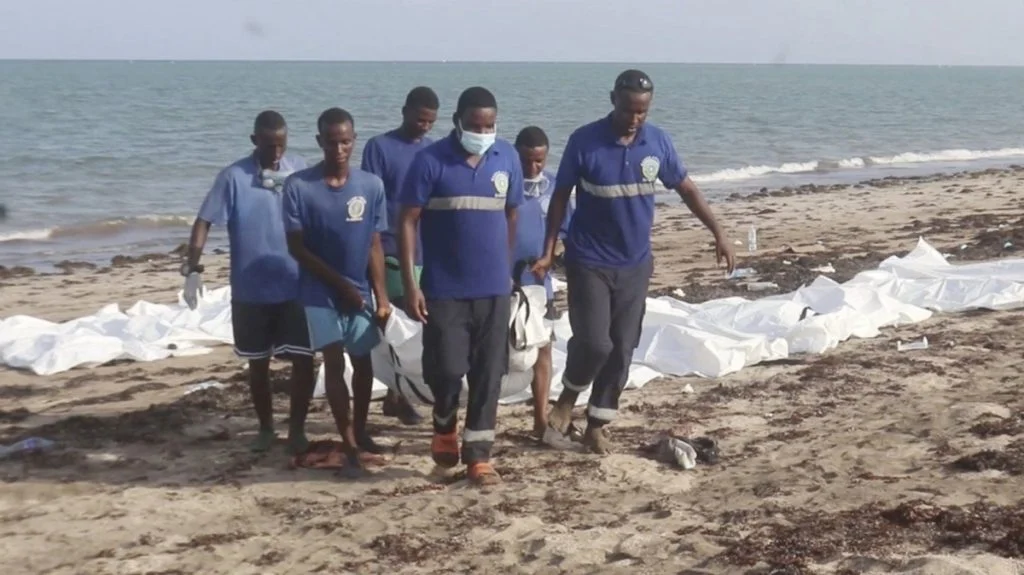
Drowning remains one of the most serious yet preventable public health challenges worldwide, with children and young people among those most affected.
It is the fourth leading cause of death among children aged 1–4 years and the third leading cause of death among children aged 5–14 years.
Learning to swim is not only an important form of exercise but also a critical life-saving skill. Teaching children basic swimming abilities and water safety practices can help protect them from drowning and build confidence around water.
Studies show that supervised childcare, swimming education, and effective drowning prevention interventions could save hundreds of thousands of lives by 2050.
Each year, more than 300,000 people drown, with approximately 30 lives lost every hour. Nearly one-quarter of these deaths occur among children under the age of five.
Globally, drowning is among the leading causes of death for children aged 5–14 years. More than 90 per cent of drowning cases occur in low- and middle-income countries, particularly in rivers, lakes, wells, domestic water storage containers, and swimming pools.
Children and adolescents living in rural areas are disproportionately affected because of limited access to safe swimming environments, supervision, and emergency response services.
According to the World Health Organisation (WHO), drowning is preventable through proven and affordable interventions, including improved supervision, swimming education, safe environments, and effective emergency response systems.
“Drowning is a serious public health issue, but it is preventable through proven, low-cost interventions and coordinated action,” WHO says.
The WHO also emphasises the importance of collective responsibility in reducing drowning risks and protecting communities, particularly those most vulnerable to water-related dangers.
“Every person, every sector, and every community has a role to play in preventing drowning and protecting lives around water.”
Parents and caregivers play a vital role by closely supervising children near water, fencing swimming pools, covering household water storage containers, teaching children swimming and water safety skills, and learning CPR and safe rescue techniques.
Schools and educators can support prevention by introducing water safety education, sharing important safety information, and connecting families with practical resources that promote safer behaviour around water.
People who work near water can reduce risks by wearing life jackets, receiving appropriate safety training, using available protective equipment, and reporting unsafe working conditions.
Employers and operators also have a responsibility to create a culture of safety by providing training, maintaining safety equipment, meeting occupational safety standards, and addressing potential hazards.
Community leaders and advocates can strengthen drowning prevention by identifying local water risks, organising swimming and rescue training programmes, and supporting flood warning systems.
Policymakers and regulators can contribute by developing and enforcing safety laws, funding effective prevention programmes, and encouraging collaboration across different sectors.
More than 300,000 people drowned in 2021, with almost half of these deaths occurring among people under 29 years of age.
Drowning rates in low-income countries are around three times higher than in high-income countries, and males are likely to drown at approximately twice the rate of females. Children aged 1–4 years account for about a quarter of all drowning cases.
Drowning is not only a health issue but also an issue of inequality. Poorer communities often experience the greatest burden because of limited access to safe water environments, emergency services, and prevention resources. Some countries also experience significant economic impacts, losing up to 3 per cent of their gross domestic product due to the consequences of drowning.
Although progress has been made, many countries still lack comprehensive systems for drowning prevention. Fewer than half have national drowning prevention strategies, and many continue to face challenges in collecting reliable data, coordinating efforts across sectors, and implementing long-term prevention plans.
As communities face increasing risks from flooding and other water-related hazards, measures such as flood warning systems, emergency preparedness, and community protection efforts remain essential. Simple actions, including placing sandbags in flood-prone areas, demonstrate how local initiatives can help reduce risks.















































Comments
Sign in with Google to comment, reply, and like comments.
Continue with Google