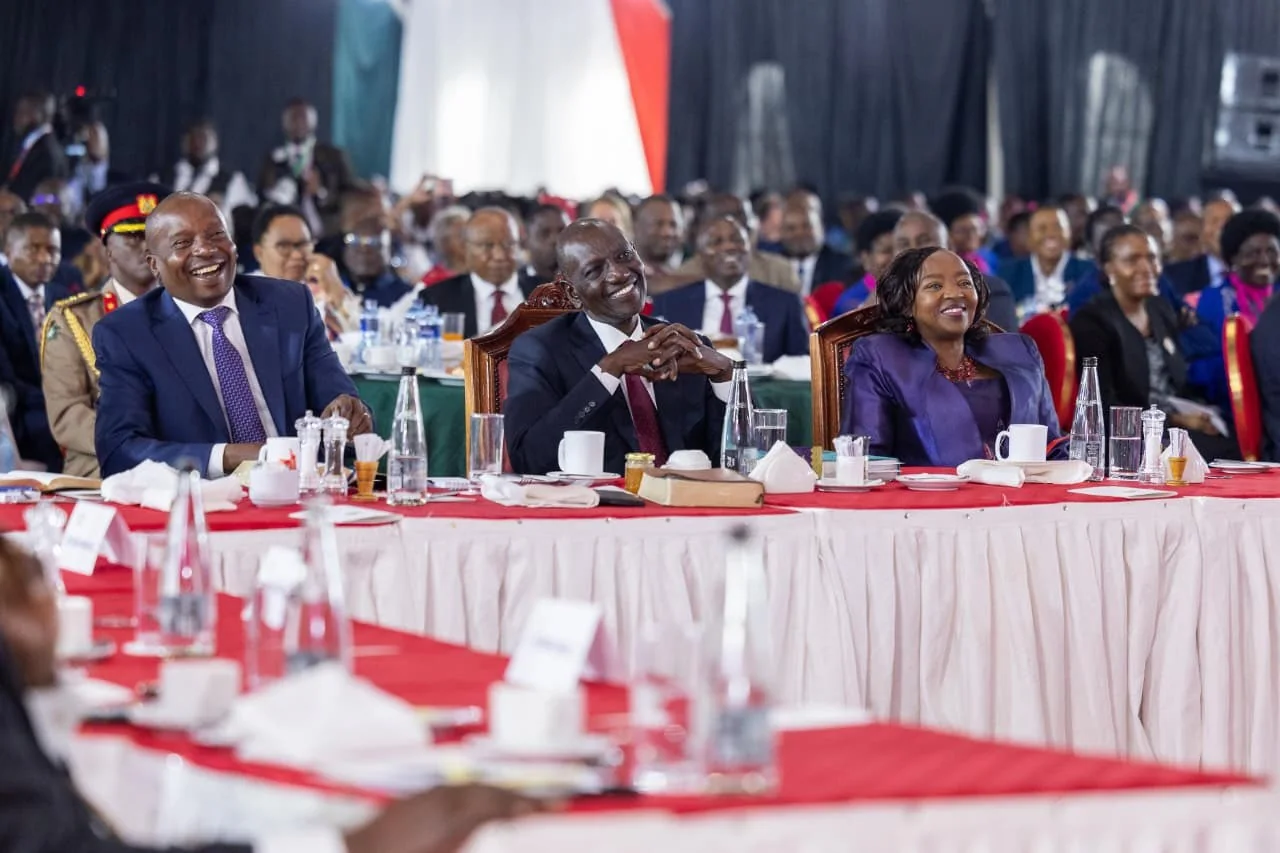
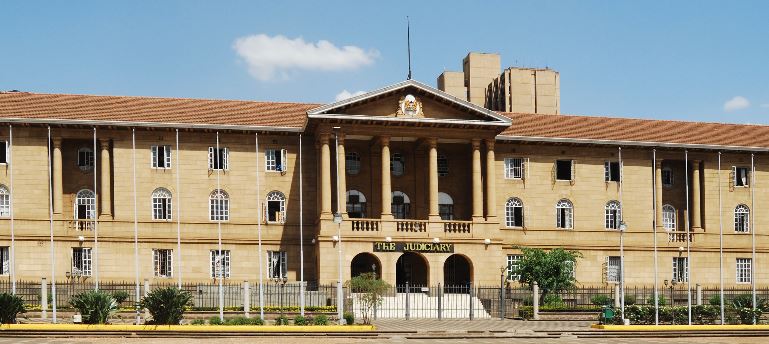
The High Court has compelled Parliament and the Parliamentary Service Commission (PSC) to disclose detailed information on the funding, costs and organisation of the 2025 National Prayer Breakfast, in a landmark ruling affirming Kenyans' constitutional right to access information.
In a judgment delivered on May 26, 2026, Justice Gregory Mutai found that Parliament's failure to provide clear and accessible information regarding the event violated Articles 35 and 47 of the Constitution, which guarantee the right to information and fair administrative action.
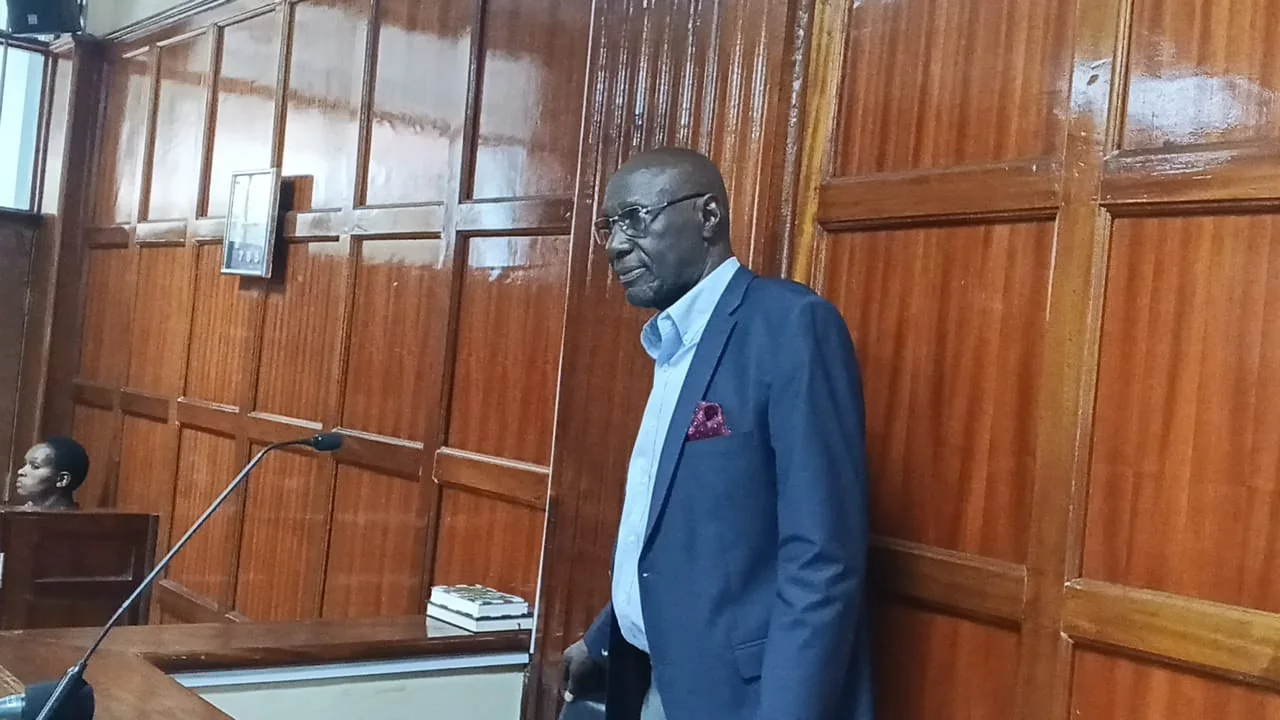
The case was filed by petitioner Lempaa Suyianka, who had sought detailed records on the financing and planning of the National Prayer Breakfast. According to court documents, Suyianka initially requested the information in March 2025 but received what the court described as inadequate and evasive responses from the Senate, the National Assembly and the Parliamentary Service Commission.
Justice Mutai held that public institutions cannot satisfy their constitutional obligations by merely directing citizens to technical budget documents and audit reports that are difficult for ordinary members of the public to understand.
The judge observed that the right to information must be meaningful and accessible, noting that transparency and accountability are fundamental constitutional values.
"The conduct of the respondents was slow, dilatory and evasive," the court found, adding that providing complex technical data without clear explanations undermines public access to information.
Parliament had opposed the petition, arguing that the information sought was already in the public domain and that judicial intervention would amount to interference with parliamentary functions. However, the court rejected that argument, holding that while courts generally exercise restraint in matters concerning Parliament, they retain jurisdiction where constitutional rights are alleged to have been violated.
The court further found that the Parliamentary Service Commission funded the event through an approved parliamentary budget and declined to declare the expenditure unlawful. It also dismissed claims that the National Prayer Breakfast violated constitutional provisions on secularism and discrimination.
Consequently, the court ordered the Senate, the National Assembly and the Parliamentary Service Commission to jointly or separately provide the requested information within 30 days.
The information, the judge directed, must be presented in a format that is clear and understandable to ordinary citizens without specialised accounting knowledge.
No order as to costs was made, with the court citing the public interest nature of the litigation.






































Comments
Sign in with Google to comment, reply, and like comments.
Continue with Google