TIFA: Majority of Kenyans say country headed in wrong direction amid crippling taxes
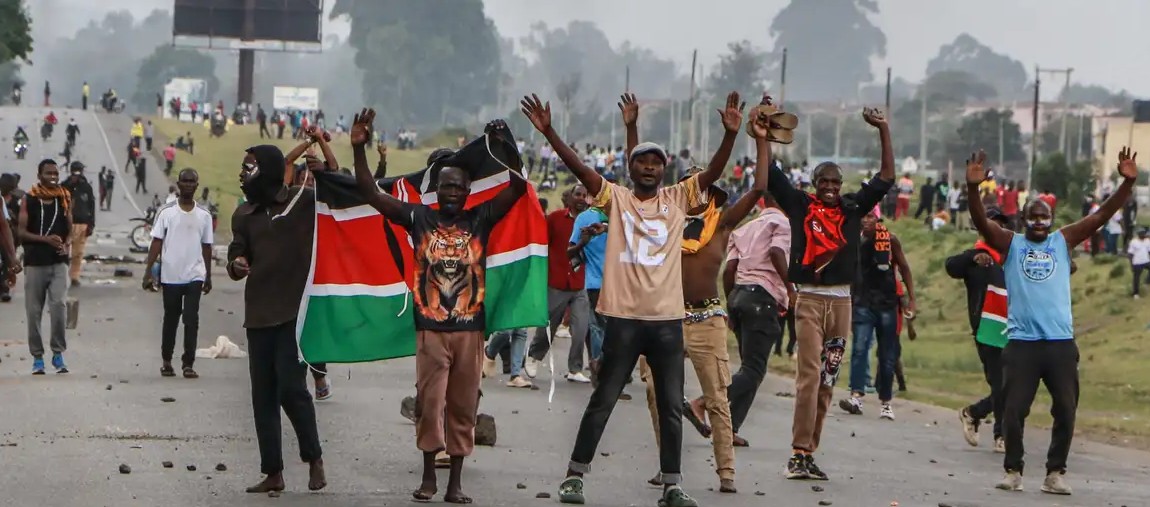
In Mt Kenya, 89 per cent say the country is on the wrong track, followed by Lower Eastern and other regions where negative views remain above half in nearly all zones. Even in areas with stronger support for government, such as Nyanza, Central Rift and Northern regions, most respondents still report negative views.
Nearly three-quarters of Kenyans now believe the country is moving in the wrong direction, reflecting a deepening negative national mood driven by economic pressure, rising dissatisfaction with government performance, and widespread concern over the cost of living.
According to the newly released TIFA survey, 74 per cent of respondents say Kenya is headed in the wrong direction, compared to only 14 per cent who say it is on the right track. This marks a sharp decline in public confidence over time, with negative sentiment now dominant across all regions.
Public dissatisfaction is also spreading more widely across the country, moving beyond traditional areas of concern into the Northern and Central Rift regions.
More To Read
- April fuel price hike unjustified, majority of Kenyans say - TIFA
- Opposition leaders pen scathing letter to Ruto over leadership failure, attacks on Uhuru
- World Bank warns of worsening food insecurity as prices rise up to 4 per cent in two months
- MPs seek loan repayment relief for transport operators to cushion commuters from high fares
- Inflation hits 2-year high of 6.7 per cent in May as prices surge for third straight month
- UDA blasts Uhuru of plotting to undermine Ruto administration, accuses him of holding on to bitterness
In Mt Kenya, 89 per cent say the country is on the wrong track, followed by Lower Eastern and other regions where negative views remain above half in nearly all zones. Even in areas with stronger support for government, such as Nyanza, Central Rift and Northern regions, most respondents still report negative views.
The survey notes that this spread of negative sentiment suggests a "broad-based decline in public mood rather than isolated regional frustration."
Economic concerns remain central to public dissatisfaction, with most households reporting that their financial situation has worsened since the last election in 2022. Overall, 64 per cent say their situation has worsened, 19 per cent say it has improved, while 18 per cent say it has stayed the same.
Latest Stories
While there has been a slight improvement over time, the change remains modest, with the share reporting worsening conditions falling from 75 per cent in May 2025 to 64 per cent in May 2026.
Regionally, the highest levels of reported economic decline are in Mt Kenya at 83 per cent and Nairobi at 76 per cent, followed by Lower Eastern at 72 per cent. Even in regions where government support is relatively strong, such as Nyanza and Central Rift, a majority still report worsening economic conditions.
When asked about the most serious problem facing the country, 47 per cent of respondents mentioned inflation, high prices and taxes, while 23 per cent pointed to unemployment and poverty. This means 70 per cent of responses are tied directly to economic issues.
Corruption follows at 21 per cent, while other issues such as insecurity, health care, education and political tensions receive far lower mentions.
Public views on government performance across key sectors remain mostly negative. Taxation records the worst rating, with 7 per cent saying it has improved and 74 per cent saying it has worsened, giving a net rating of minus 67 per cent.
Medical services follow at minus 38 per cent, security at minus 39 per cent, education at minus 30 per cent, and freedom of expression at minus 28 per cent. County government performance is also rated poorly at minus 33 per cent. Political stability is the least negative area but still records a net rating of minus 23 per cent.
The survey also shows that household economic confidence remains low. About 67 per cent say their situation has worsened, 19 per cent say it is better, and 16 per cent say it is the same.
Employment data shows little change compared to 2022, with unemployment remaining at 17 per cent. Full-time employment stands at 14 per cent, while self-employment has increased slightly.
Income levels also show limited movement across recent surveys, with most households still clustered in lower income brackets.
The survey further found a strong link between personal economic experience and views on the country’s direction. About 49 per cent of those who say their situation has improved believe the country is on the right track, compared to only 13 per cent among those who report worsening conditions.
At the same time, 76 per cent of those who say their situation has worsened believe the country is moving in the wrong direction.
Public views on the country’s direction have fluctuated since 2023 but remain largely negative. The share saying the country is on the wrong track peaked at 75 per cent in May 2025 and remains high at 74 per cent in May 2026. Those saying the country is on the right track remain at 14 per cent.
The survey was conducted between May 2 and 11, 2026 using face-to-face household interviews in Swahili and English. It covered 2,013 respondents across nine regions, with a margin of error of plus or minus 2.18 per cent.
Other Topics To Read
Top Stories Today







































Comments
Sign in with Google to comment, reply, and like comments.
Continue with Google