April fuel price hike unjustified, majority of Kenyans say - TIFA
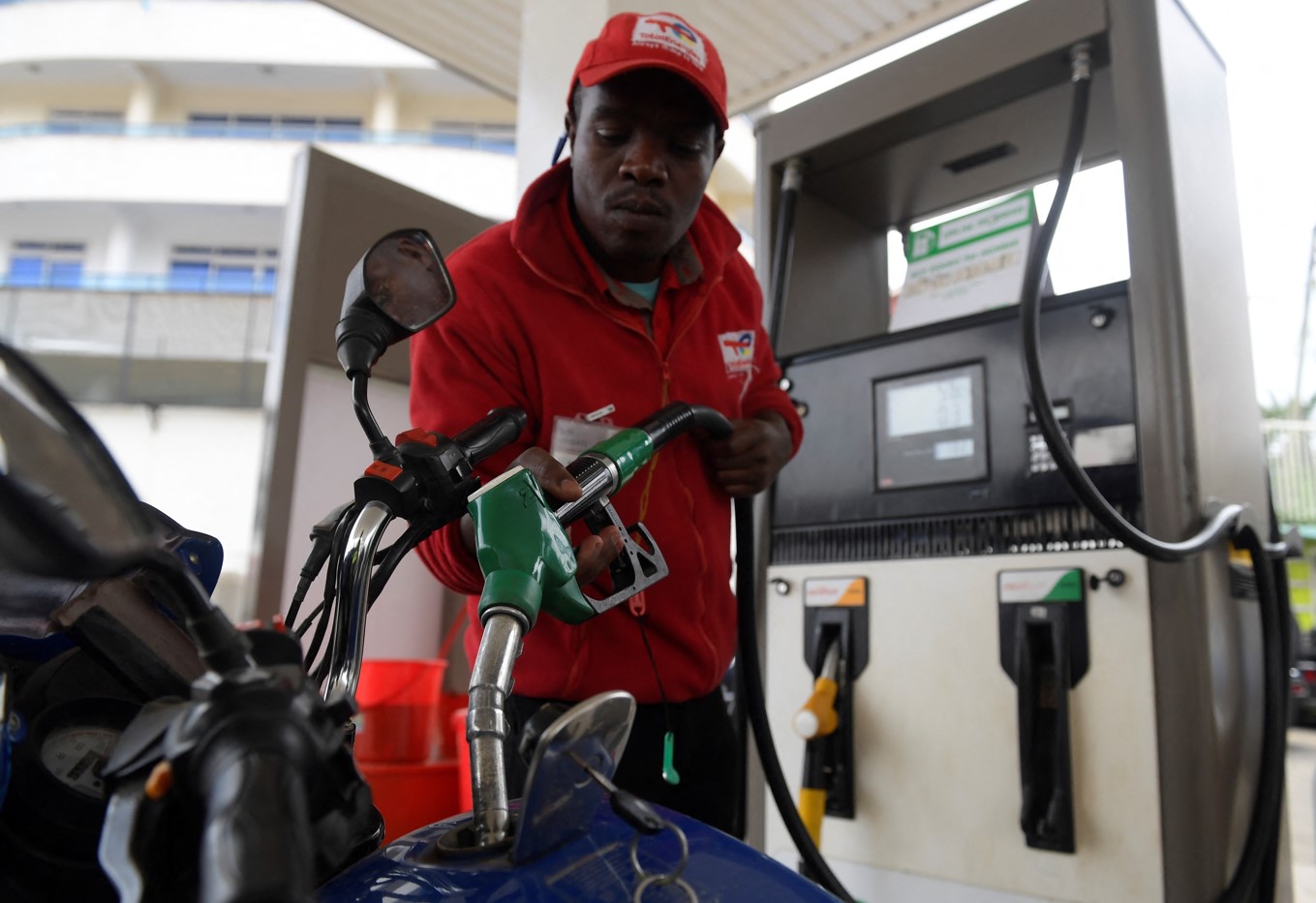
According to the survey, 75 per cent of respondents said the increase was not justified, while only a smaller share (4 per cent) believe it was necessary due to wider economic conditions.
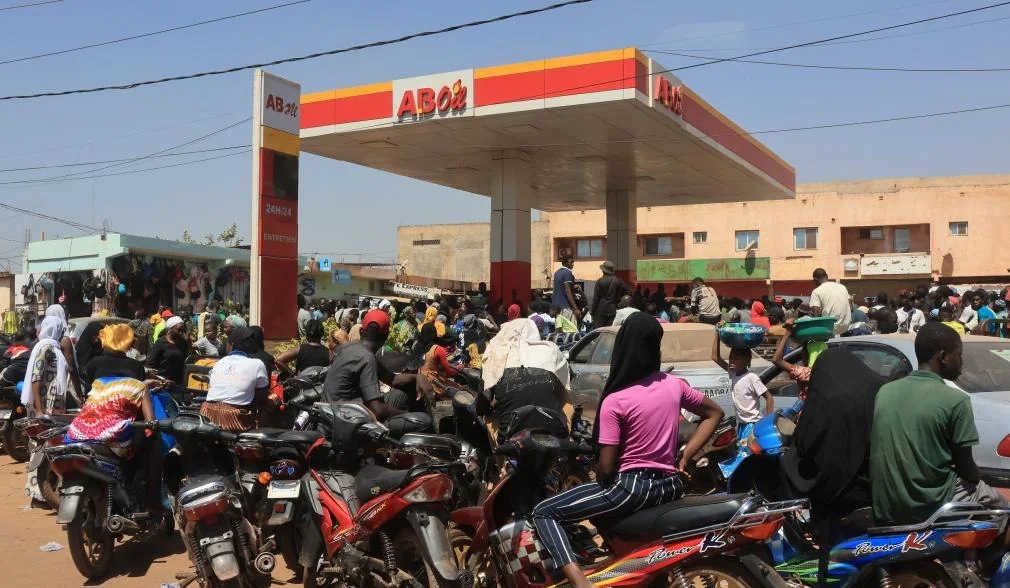
The government has been criticised for raising fuel prices in April, with the majority of Kenyans noting that the decision was unnecessary and is already driving up the cost of basic needs, especially food and transport.
According to the recent survey conducted by TIFA between May 2 and 11, 2026, 75 per cent of respondents said the increase was not justified, while only a smaller share (4 per cent) believe it was necessary due to wider economic conditions.
However, the findings show that public opinion is sharply divided depending on political alignment. Among supporters of the Broad-Based Government (BBG), 31 per cent said the fuel price increase was necessary, while 65 per cent disagreed. Four per cent said they were not sure.
More To Read
- TIFA: Majority of Kenyans say country headed in wrong direction amid crippling taxes
- MPs seek loan repayment relief for transport operators to cushion commuters from high fares
- Nyoro calls for six-month fuel relief plan to ease cost of living pressure
- Inflation hits 2-year high of 6.7 per cent in May as prices surge for third straight month
- Ndindi Nyoro proposes Sh100 billion government spending cuts to fund fuel subsidies
- Kiharu MP Ndindi Nyoro says fuel relief gap can be covered with spending cuts
Overall, 38 per cent pointed to the war in the Middle East and reduced supply. Corruption or poor governance was mentioned by 18 per cent, while 11 per cent linked it to high debt levels and the need for more taxation. General inflation was cited by 5 per cent, while 4 per cent pointed to poor planning or incompetence. Other reasons accounted for 2 per cent, and 14 per cent said they were not sure.
Among supporters of the BBG, 46 per cent linked the increase to the war in the Middle East and reduced supply. Among opponents, 33 per cent said corruption or poor governance was the main cause, while 27 per cent also pointed to high debt levels and taxation needs. Those with no opinion were split, with 27 per cent citing war and reduced supply and another 27 per cent pointing to corruption. Among those unaware of the BBG, 34 per cent said they were not sure of the reason.
Latest Stories
- Court petition seeks removal of Kenya Railways MD amid governance, transparency concerns
- Rongai MP hopeful seeks Sh50 million damages over alleged FGM remarks
- EACC recovers over Sh65 million from Nairobi County Urban Planning chief Patrick Analo in home raid
- TIFA: Majority of Kenyans say country headed in wrong direction amid crippling taxes
The survey also shows that nearly all respondents who expect to be affected by the fuel price increase point to rising living costs. Food prices were the most mentioned impact at 72 per cent, followed closely by transport costs at 69 per cent.
Other expected effects include increased cooking fuel costs at 15 per cent, difficulty paying school fees at 11 per cent, and higher farming costs at 5 per cent. A further 3 per cent mentioned other impacts, while 1 per cent said they were not sure.
The research was conducted across nine zones, including Central Rift, Coast, Lower Eastern, Mt Kenya, Nairobi, Northern, Nyanza, South Rift, and Western.
A nationally representative sample of 2,013 respondents was interviewed using face-to-face household surveys conducted mainly in Swahili and English. The study has a margin of error of plus or minus 2.18 per cent, with higher margins for sub-samples. The research was funded by TIFA Research.
Other Topics To Read
Top Stories Today


































Comments
Sign in with Google to comment, reply, and like comments.
Continue with Google