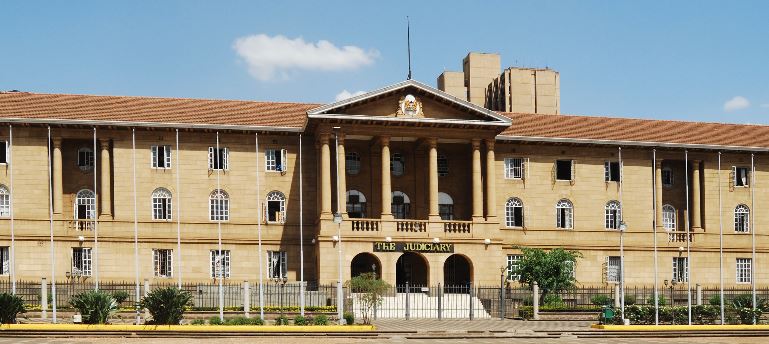
Two Kenyans have moved to the High Court seeking orders to stop government officials and public agencies from blocking citizens on official social media accounts, arguing that the practice unlawfully denies the public access to government information and participation in public affairs.
In a petition filed before the Constitutional and Human Rights Division at Milimani, James Ochieng and Olive Ambrose contend that state officers who use social media platforms for official communication cannot selectively exclude members of the public from accessing those channels.
The case filed names the Attorney General, the Cabinet Secretary for Interior and Coordination of National Government, the Principal Secretary for Broadcasting and Telecommunications, the Council of Governors (CoG) and the National Assembly as respondents.
The petitioners argue that social media platforms have become key tools through which government officials disseminate policy decisions, public announcements and information on state programmes.
According to court documents, some citizens have been blocked from accessing or interacting with accounts carrying official government branding and verification marks, effectively shutting them out from important public communication.
“Government officials are increasingly using social media platforms as official channels of communication with the public,” the petitioners state.
They contend that the blocking of users violates several constitutional rights, including freedom of expression, access to information, equality before the law, fair administrative action and access to justice.
The two argue that once a public official uses a social media account to discharge official duties, the account transforms into a public forum that should remain accessible to all citizens.
“Once government officials use these accounts for official communication, they become public information channels that must remain open and accessible to all citizens,” the petition says.
The petitioners further claim that some Kenyans are being excluded from these platforms for expressing dissenting opinions, questioning government decisions or demanding accountability from public officials.
“Citizens are being locked out of official communication spaces simply for expressing their opinions or seeking accountability,” they argue.
To support their case, Ochieng and Ambrose have presented screenshots showing users receiving notifications that they had been blocked from certain accounts. They also attached evidence indicating that the accounts are used to relay government information and carry official state insignia.
The petitioners are asking the court to declare that blocking citizens from official government social media accounts is unconstitutional and violates the Access to Information Act.
They also seek orders compelling the restoration of access to affected accounts and a permanent injunction barring state officers from blocking citizens based on their views, criticism or opinions.
Additionally, the petition challenges any interpretation of the Access to Information Act that would allow public information to be withheld without satisfying constitutional limitations under Article 24.




































Comments
Sign in with Google to comment, reply, and like comments.
Continue with Google