Kenya is increasingly positioning itself as both a diplomatic hub and a continental voice in global affairs, leveraging high-level diplomacy, multilateral engagement, and economic statecraft to expand its international influence.
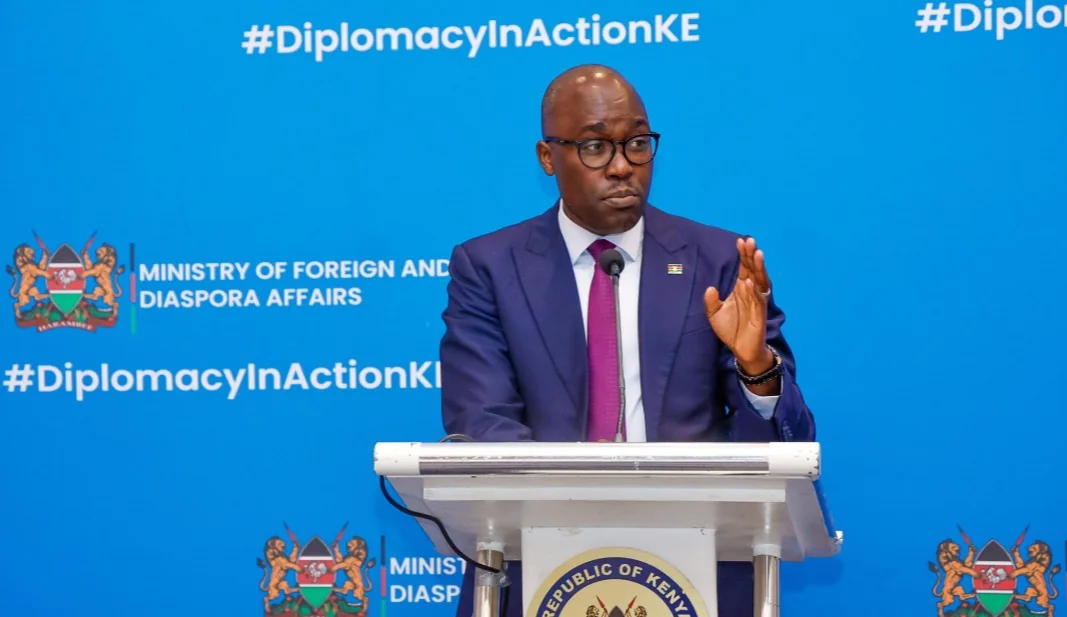
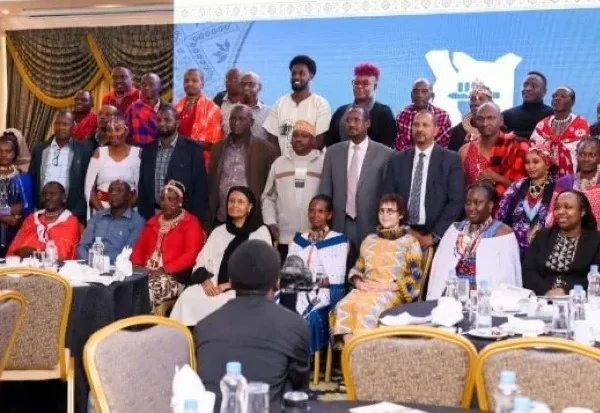
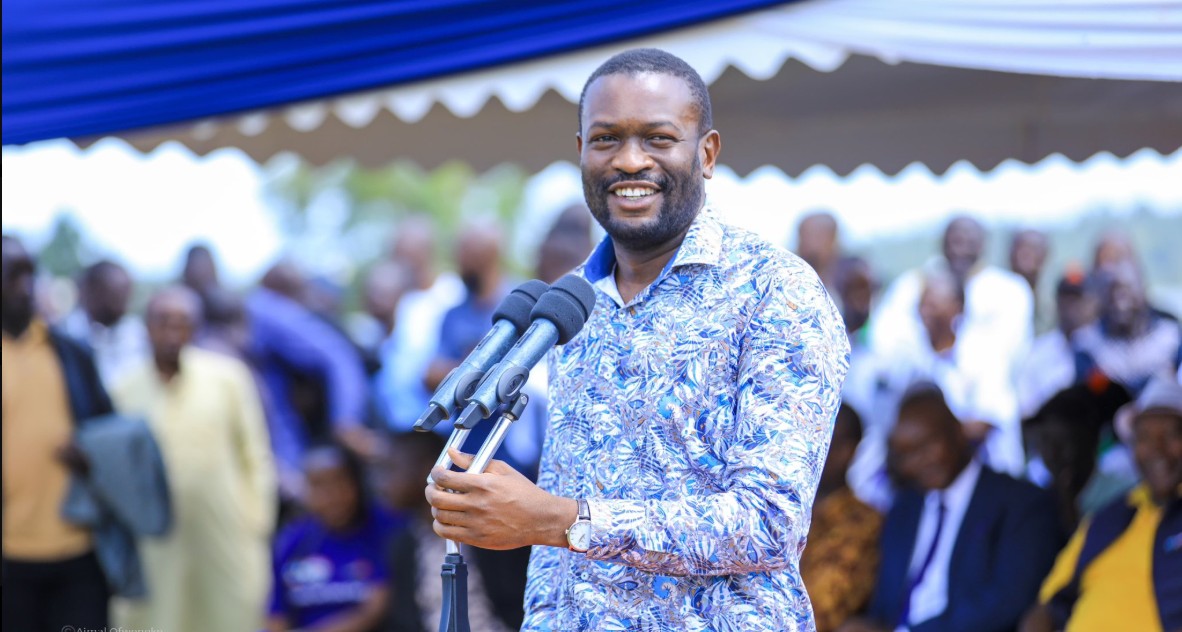
On Tuesday, Foreign Affairs Principal Secretary Korir Sing’Oei briefed members of the diplomatic corps in Nairobi on what he described as Kenya’s “robust diplomatic engagement” over the past six months. He highlighted a series of presidential visits, international summits, and diplomatic campaigns undertaken by the government.
The briefing focused on President William Ruto’s state visits to Tanzania, South Africa, Finland, and Kazakhstan, as well as official engagements in Belgium and Norway. According to the government, these visits form part of a broader strategy aimed at strengthening political partnerships, attracting foreign direct investment, and elevating Kenya’s global profile.
In recent years, Kenya has increasingly embraced economic diplomacy as a central pillar of its foreign policy, positioning itself not only as East Africa’s diplomatic hub but also as a gateway for trade, investment, and regional integration.
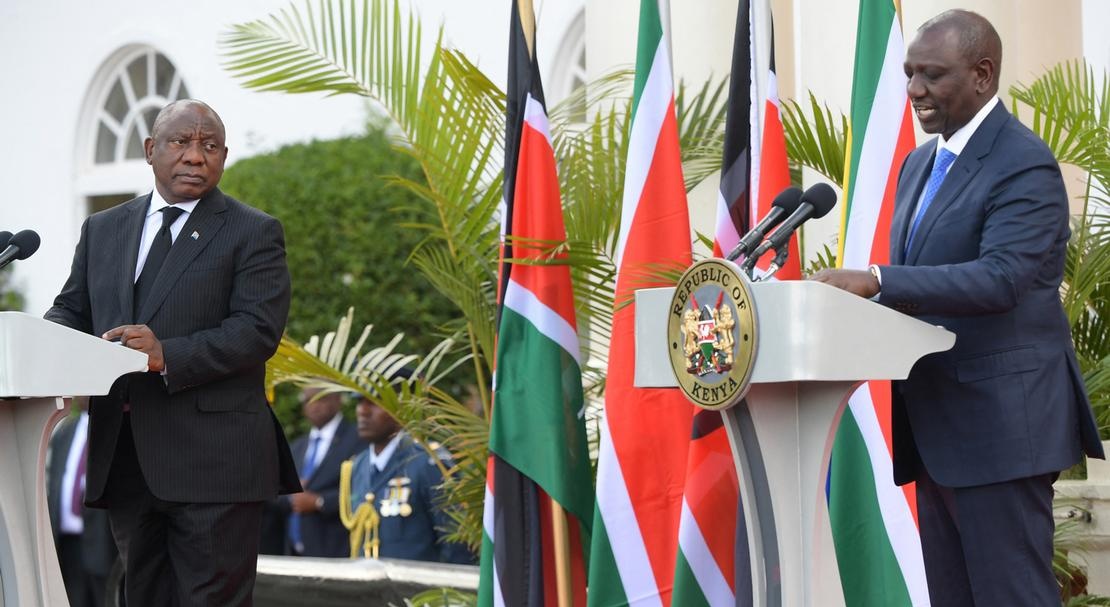
Ruto’s visit to South Africa was particularly aimed at deepening ties between two of Africa’s largest and most influential economies. While relations between Nairobi and Pretoria have grown steadily, they have at times been strained by differences over trade, migration, and approaches to international issues.
The visit also came as Kenya received an invitation to the G7 Summit, offering both countries a platform to exchange views on how Africa can secure a stronger voice in global governance.
“I also highlighted Kenya’s growing global leadership through co-hosting the inaugural Africa Forward Summit with France, shaping Africa’s voice at the G7 Summit, and co-chairing High-Level Political Dialogues on Peace and Security,” Sing’oei said in an X post.
He further underscored Kenya’s ambition to remain a leading diplomatic centre, pointing to the ongoing expansion of the United Nations Office at Nairobi (UNON), the only UN headquarters in the Global South.
Beyond diplomacy, the government is also working to translate its growing international visibility into influence within global institutions.
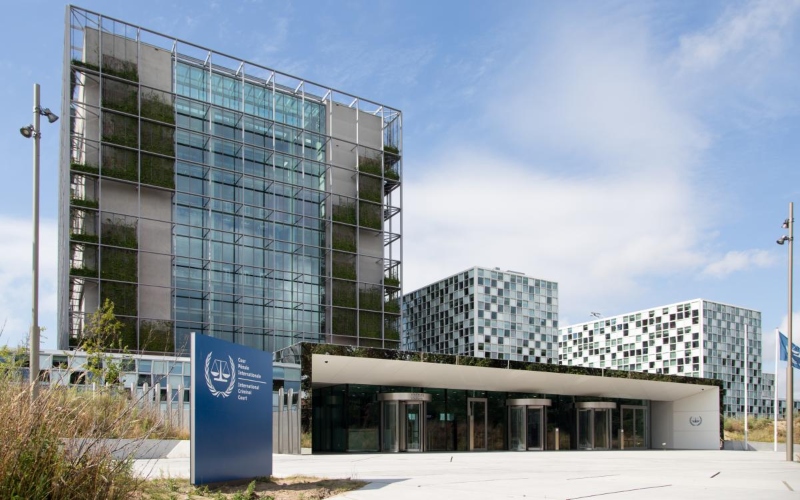
Sing’oei used the briefing to rally support for Kenya’s candidates in upcoming international judicial elections, including Professor Phoebe Okowa, who is seeking election to the International Court of Justice (ICJ), and Lady Justice Njoki Ndung’u, Kenya’s candidate for the International Criminal Court (ICC).
The diplomatic push reflects a broader strategy by Nairobi to present itself as a bridge between Africa and the wider international community. From advocating reforms to the global financial architecture to pushing for greater African representation in multilateral institutions, Kenya is increasingly seeking to shape international debates rather than merely respond to them.
Whether this heightened diplomatic visibility will translate into measurable foreign policy and economic gains remains to be seen.



























Comments
Sign in with Google to comment, reply, and like comments.
Continue with Google