Senate launches probe into Ritz-Carlton Maasai Mara project
Nominated Senator Miriam Omar filed a petition citing potential harm to fragile ecosystems, contamination of water sources, and disruption of traditional wildlife routes.
Concerns over the impact of a luxury hotel in the Maasai Mara Game Park have escalated, prompting a parliamentary investigation into its effect on wildlife and local communities.
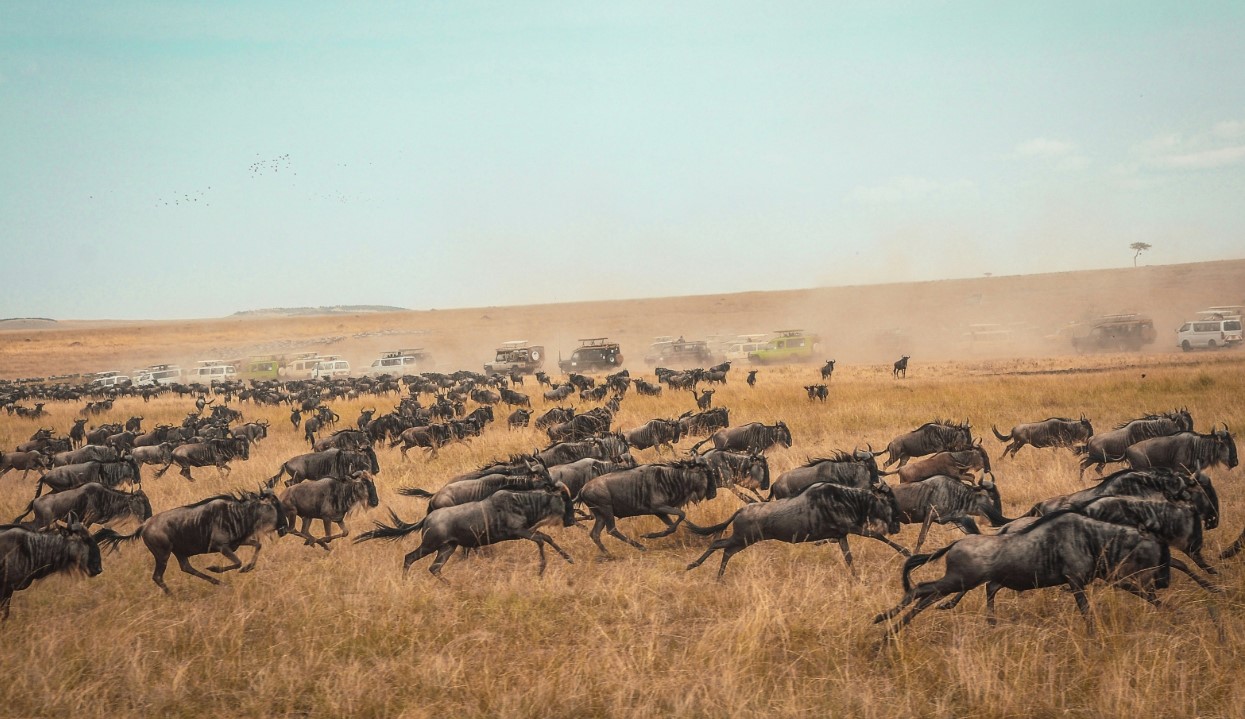
The Ritz-Carlton Maasai Mara Safari Camp, located near the Sand River, is accused of obstructing key migration paths used by wildebeests and other animals, raising alarm among conservationists and Maasai elders.
More To Read
- Counties intensify pressure on national government over park revenue-sharing model
- KWS dismisses claims Ritz-Carlton Safari Camp blocks wildebeest migration in Maasai Mara
- Maasai community sets aside 1 million acres to protect Amboseli ecosystem
- KWS probes suspected poisoning of six lions in Maasai Mara
- MPs raise alarm over alienation of 47,000 acres in Maasai Mara conservancy
- Court sets aside Sh611 million award to Equity Bank, citing bias
Nominated Senator Miriam Omar filed a petition citing potential harm to fragile ecosystems, contamination of water sources, and disruption of traditional wildlife routes.
“The Mara River is a critical lifeline for wildlife and local communities. Construction along its riparian zone risks disturbing fragile ecosystems, polluting water sources, and obstructing migration corridors,” Omar said.
The lodge has faced legal challenges from conservationists and elders who argue that its development compromises the Great Migration, a globally renowned wildlife spectacle.
While the Kenya Wildlife Service (KWS) has defended the hotel, saying GPS data shows migration routes remain intact, opponents warn that human activity, noise, and artificial lighting could still disturb animals and threaten local livelihoods.
Senator Omar criticised a gag order against Maasai elders opposing the development, calling it an infringement on constitutional and community rights.
She urged the committee to investigate whether permits and licenses were issued lawfully and in line with environmental regulations.
The Senate Lands, Environment, and Natural Resources Committee has expanded its inquiry to include another JW Marriott-affiliated project along the Mara River.
The investigation will examine compliance with the Environmental Management and Coordination Act, land-use planning rules, water regulations, and reserve requirements.
The committee will also assess the role of both national and Narok county authorities in monitoring and mitigating any obstruction to migration routes and environmental degradation.
“The committee should establish whether meaningful public participation was undertaken, in line with Articles 10 and 69 of the Constitution,” Omar emphasised.
Reports of intimidation and suppression of community voices opposing the hotel will also be reviewed.
The Senate panel will evaluate the combined ecological, cultural, and socioeconomic consequences of luxury hospitality projects in the Mara and recommend ways to prevent long-term harm.
As tourism in the Maasai Mara grows, the investigation underscores the need to balance development with conservation.
Protecting wildlife corridors and ensuring the welfare of surrounding communities remain urgent priorities, highlighting the critical role of transparency, public participation, and environmental oversight in safeguarding one of Kenya’s most iconic ecosystems.
Top Stories Today