Road safety campaigners and cycling enthusiasts have renewed calls for the development of dedicated cycling infrastructure in Mombasa, warning that the absence of safe spaces for cyclists continues to expose riders to danger on roads increasingly dominated by motor vehicles.
The appeal comes as the county government intensifies efforts to promote non-motorised transport as part of wider measures aimed at easing traffic congestion and reducing environmental pollution in the coastal city.
Advocates argue that while interest in cycling is growing among residents, inadequate infrastructure remains a major obstacle to wider adoption.
Mombasa Deputy Governor Francis Thoya acknowledged the challenges posed by rapid urban growth and rising vehicle ownership, saying the county was exploring ways to integrate cycling into its transport system.
According to Thoya, “Mombasa's limited land space presents difficulties in creating cycling corridors across all parts of the city, but discussions on expanding facilities for cyclists have already begun.”
He said the county had started investing in infrastructure intended to encourage residents to consider bicycles as a practical means of moving around the city.
Thoya noted that congestion has become a persistent problem, largely driven by the increasing number of private vehicles using the road network.
“Alternative modes of transport would be necessary if the city is to avoid worsening traffic delays in the future,” he said.
The deputy governor pointed to the cycling lane established along Nyali Links Road as one of the county's initial steps towards accommodating cyclists.
He further urged road authorities and infrastructure agencies to ensure future road projects include facilities designed for cyclists and pedestrians.
Regional Director at the Institute for Transportation and Development Policy (ITDP), Claire Birungi, said investment in cycling infrastructure would improve safety while also delivering health and environmental benefits.
Birungi observed that cycling contributes to physical fitness and reduces reliance on motor vehicles, helping lower greenhouse gas emissions.
“More residents would be willing to cycle if safer road networks were available,” she said.
Global Designing Cities Initiative Programme Manager Regatu Solomon also called for greater attention to the needs of cyclists and other vulnerable road users.
She said road designs should prioritise safety and accessibility for all users, including children, to create more inclusive urban spaces.
Solomon noted that her organisation was working alongside the county government on initiatives aimed at improving mobility and enhancing safety for people who rely on bicycles and other non-motorised forms of transport.
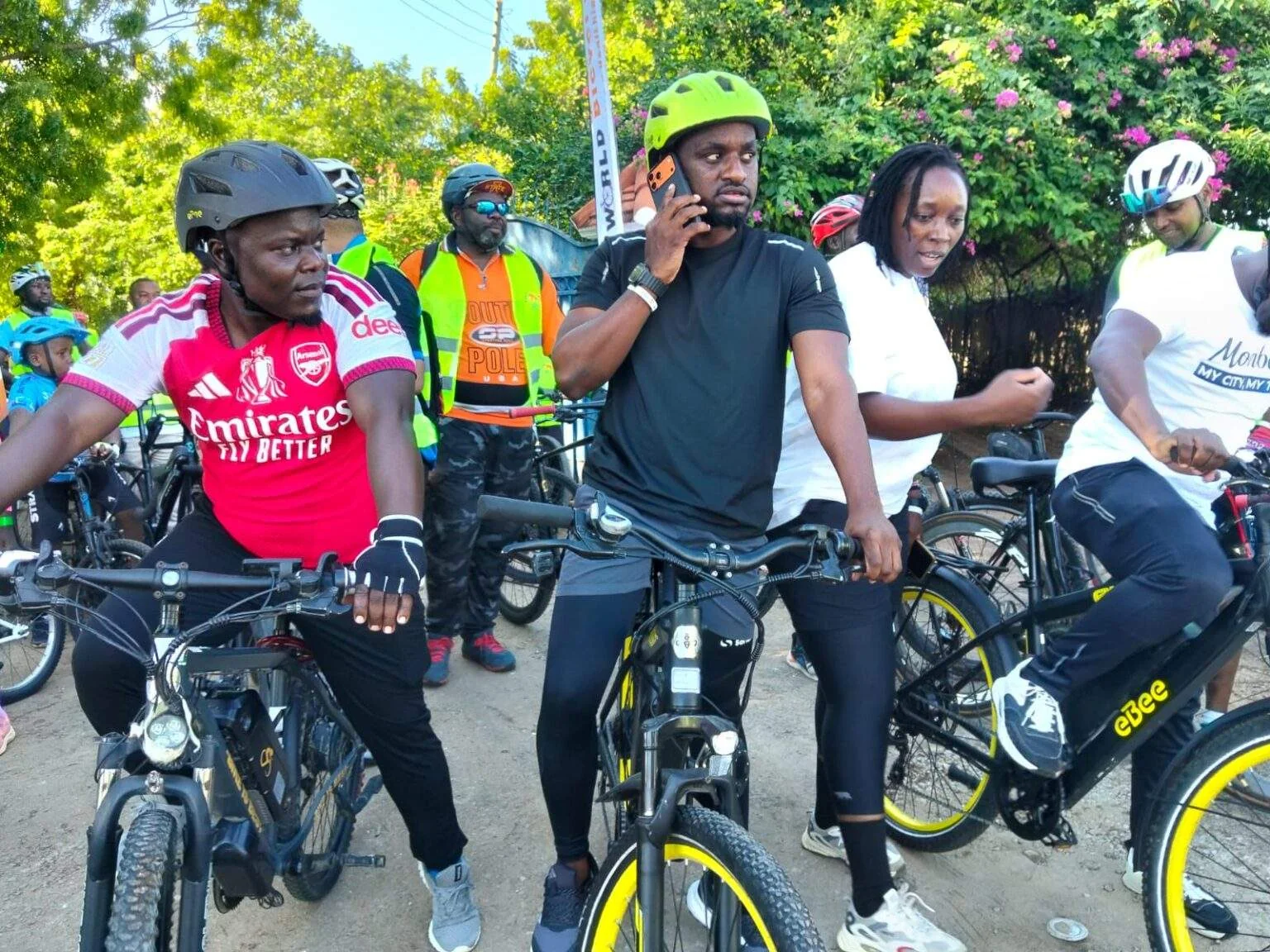
The event attracted more than 200 participants who completed an eight-kilometre cycling route beginning and ending at Sote Hub in Nyali.
Among those taking part was eBee Africa Managing Director Maarten Fonteija, who said cycling offers a practical alternative to motorised transport in a city struggling with traffic congestion. He said bicycles not only help reduce pressure on roads but also provide a convenient and healthy means of travelling within the city.
Campaigners noted the success of the county's non-motorised transport ambitions will largely depend on whether investment in safe cycling infrastructure keeps pace with the growing demand for alternative modes of mobility.


































Comments
Sign in with Google to comment, reply, and like comments.
Continue with Google