Kenya’s automotive industry is gradually shifting towards locally assembled brand-new vehicles, with industry players attributing the trend to increased investment in manufacturing, improved financing options and expanding transport infrastructure.
For years, the country's vehicle market has been dominated by imported second-hand cars, which remain popular because of their lower purchase prices.
However, vehicle assemblers say demand for new vehicles is steadily rising as buyers increasingly seek manufacturer warranties, structured maintenance services and access to genuine spare parts.
The shift is also being driven by financial institutions offering asset financing solutions tailored to businesses, transport operators and individuals looking to purchase new vehicles.
Industry stakeholders say easier access to credit is enabling companies to expand their fleets while supporting growth in sectors that rely heavily on transport services.
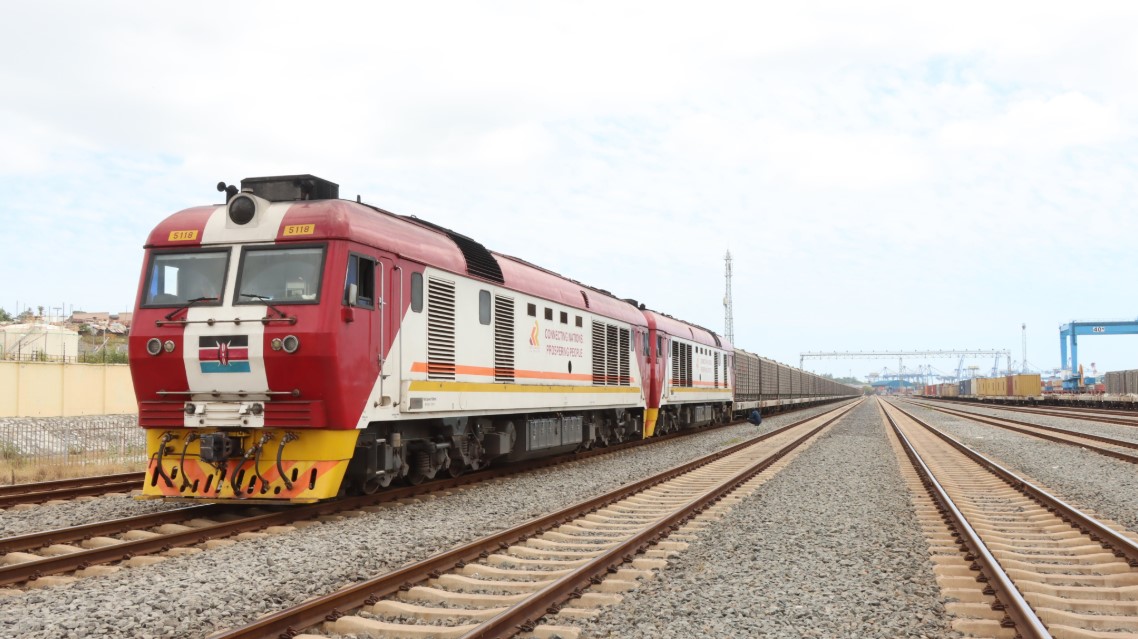
The trend comes as Kenya continues to invest in roads, ports and regional trade corridors, including infrastructure supporting the movement of goods along the Northern Corridor.
Industry players expect the expansion of transport networks to boost demand for commercial trucks, passenger vehicles and related maintenance services.
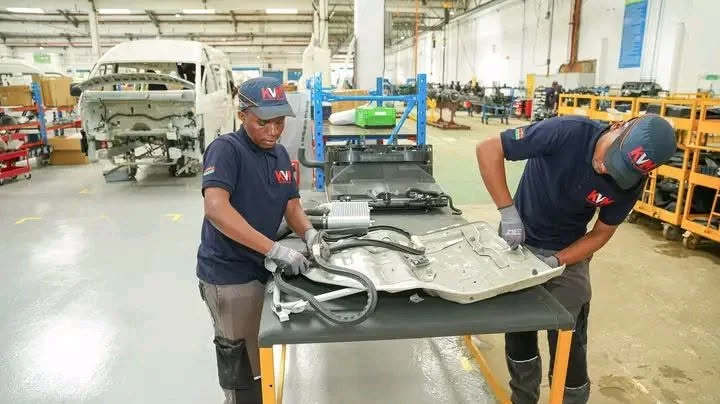
TransAfrica Motors Financial Controller Yusuf Noorani said the company has significantly expanded its local assembly operations since establishing its plant in Kenya in 2014.
He said the facility's production capacity has grown from about 200 vehicles to more than 3,000, with the plant now assembling FAW trucks and Jetour passenger vehicles.
“Our assembly plant has grown from producing about 200 units to more than 3,000 units today. We are assembling both FAW trucks and Jetour passenger vehicles locally, and that growth has created employment opportunities for Kenyans,” Yusuf said.
He added that more buyers are opting for new vehicles due to concerns over the reliability and long-term maintenance costs of some imported used vehicles.
“We are seeing more Kenyans buying brand-new vehicles rather than second-hand ones. With a zero-mileage vehicle you get a five-year warranty, after-sales service and better reliability, making it a worthwhile investment,” he said.
The company also announced plans to establish a truck servicing facility in Mlolongo, Nairobi, as demand for commercial transport vehicles continues to rise.
TransAfrica Motors General Manager Faiz Awadh said the proposed workshop would create more than 400 jobs and be equipped to serve large numbers of trucks operating along regional transport routes.
“We are planning to put up a state-of-the-art workshop facility in Mlolongo that will employ over 400 people. It will operate 24 hours a day and have the capacity to service up to 300 trucks at a time, reducing turnaround time for transporters using the Northern Corridor,” Faiz said.
The facility will initially service FAW trucks before expanding to other vehicle categories based on market demand.
Financial institutions are also positioning themselves to support the growing appetite for new vehicles. Equity Bank Head of Asset Financing Beatrice Nyambura said the lender offers financing packages based on customers' repayment history and business performance.
“We are financing up to 95 per cent for FAW trucks and 100 per cent for Jetour passenger vehicles, with repayment periods of up to 72 months,” Nyambura said.
She noted that demand for transport assets has grown as businesses expand from owning single trucks to operating larger fleets.
“We have seen customers grow from owning one truck to managing fleets of hundreds. With continued investment in roads, ports and regional trade, we expect demand for transport assets to keep increasing,” she said.
Industry stakeholders say strengthening local vehicle assembly could create more opportunities across the automotive value chain, including manufacturing, technical skills development, logistics and vehicle servicing.
However, they acknowledge that the sector still faces challenges, including competition from imported vehicles and the need for continued investment in local manufacturing capacity.
The growing interest in locally assembled vehicles comes as Kenya seeks to expand its manufacturing base and increase the automotive sector's contribution to the broader economy.
































Comments
Sign in with Google to comment, reply, and like comments.
Continue with Google