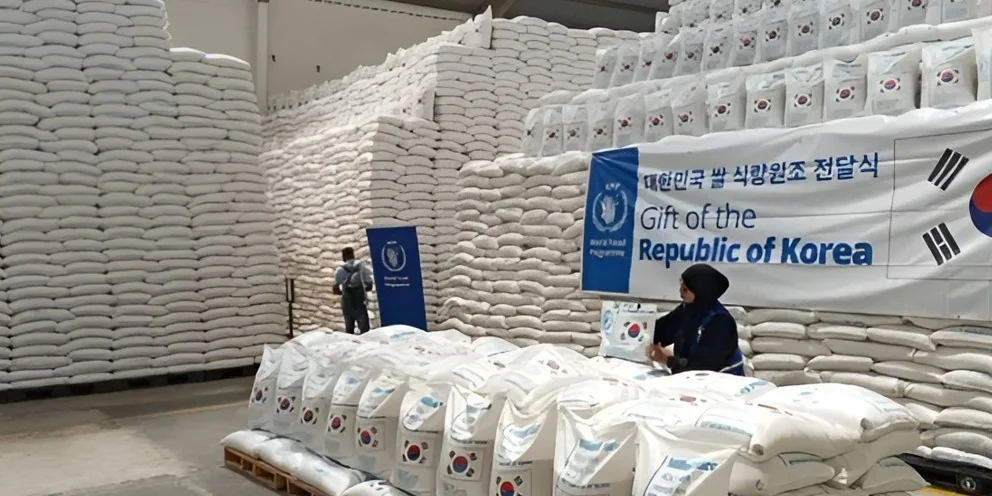
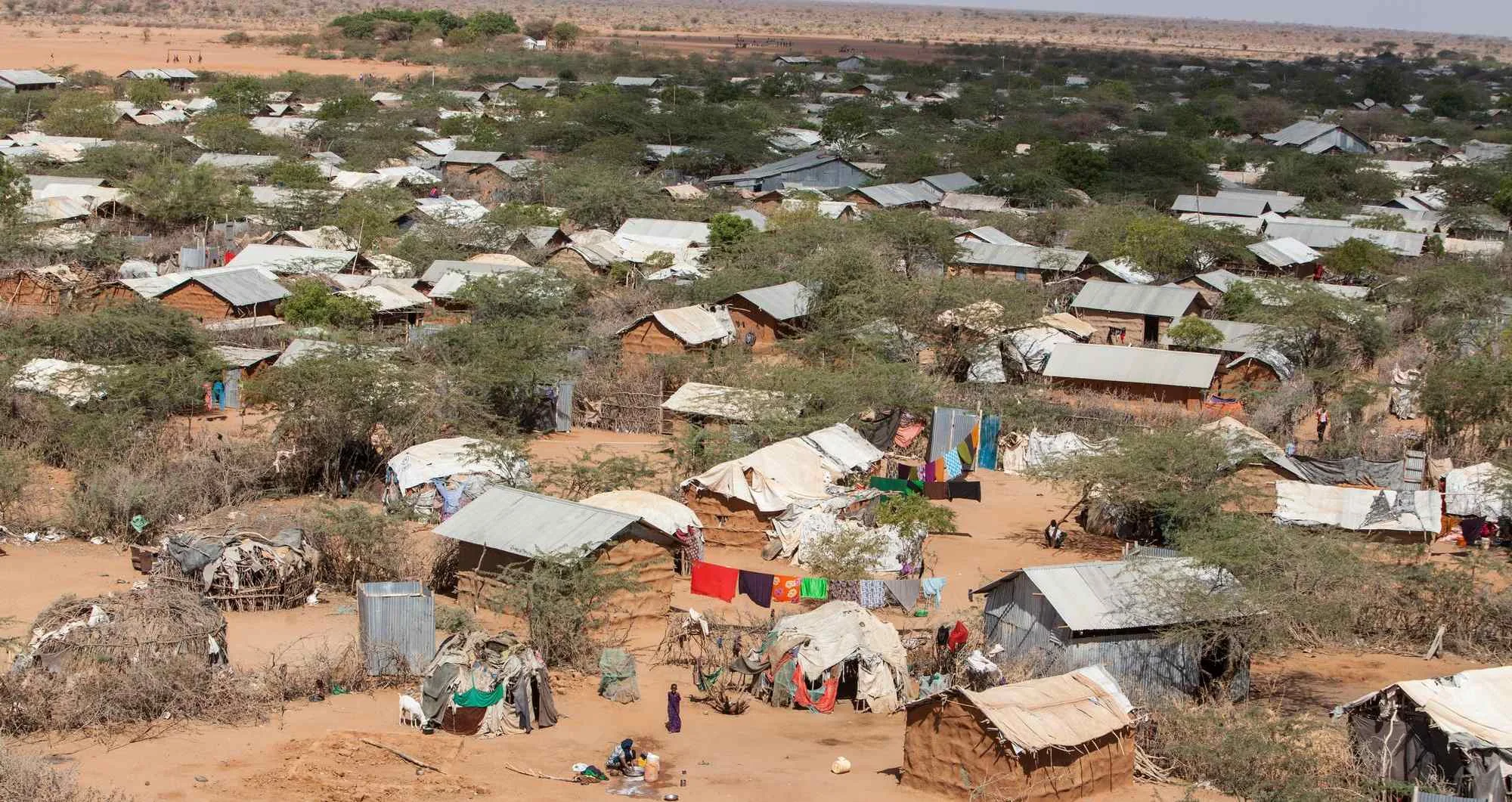
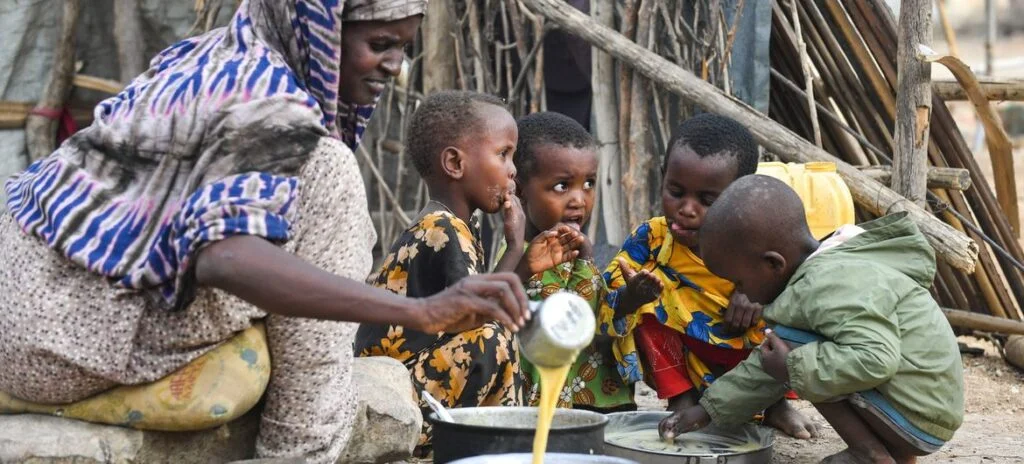
South Korea has donated more than 10,000 metric tonnes of rice worth about USD 9.53 million (Sh1.2 billion) to Kenya to help sustain food supplies for nearly 500,000 refugees living in the Dadaab and Kakuma camps, as humanitarian agencies grapple with shrinking donor funding.
The consignment was officially received on Tuesday at the World Food Programme (WFP) warehouse in Mombasa during a ceremony attended by Principal Secretary for Immigration and Citizen Services Dr Belio Kipsang, South Korean Ambassador Kang Hyung-shik, Mombasa Governor Abdulswamad Sheriff Nassir, WFP Country Director Betty Ka and Kenya Ports Authority Managing Director Capt William Ruto.
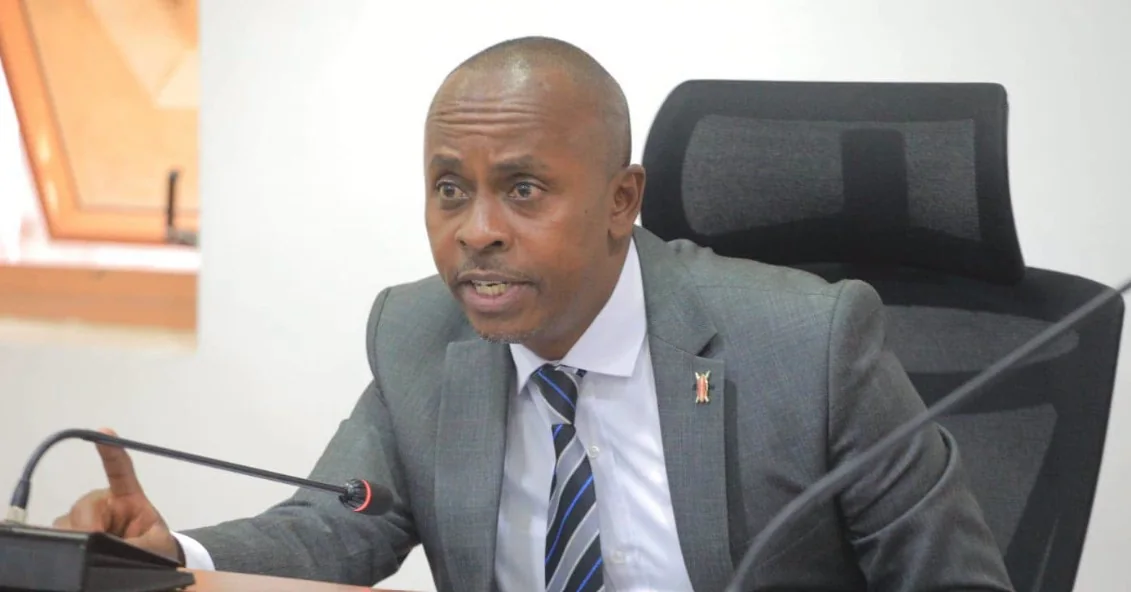
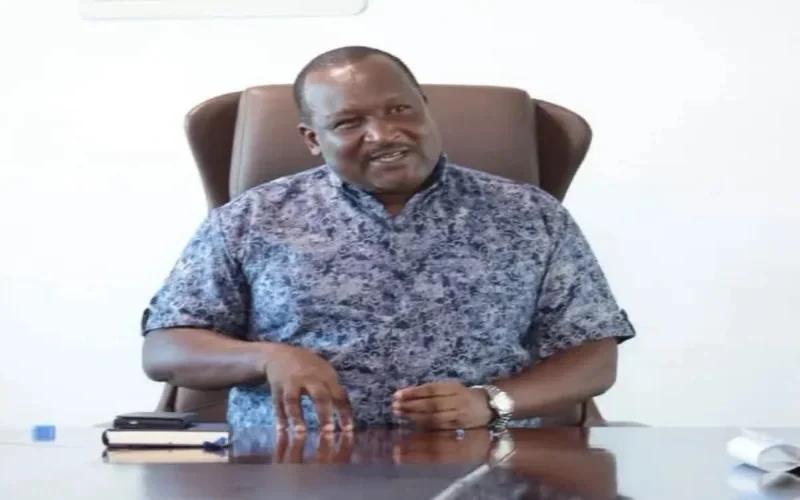
Speaking during the handover, Dr Kipsang said the donation would provide critical relief to refugees whose food assistance has been affected by global funding constraints.
He said the contribution demonstrates continued international cooperation in supporting displaced people hosted by Kenya.
According to the Principal Secretary, South Korea has supplied more than 132,000 metric tonnes of rice to refugees in Kenya through the WFP since 2018.
Although the latest shipment is smaller than last year's donation, he said the government appreciates South Korea's continued support at a time when humanitarian needs are growing faster than available resources.
Dr Kipsang said the assistance comes as Kenya implements the Shirika Plan, which aims to help refugees become more self-reliant by expanding access to education, employment opportunities, financial services and other essential public services.
He noted that reliable food assistance remains vital to the success of the initiative.
"A hungry child cannot concentrate in school, and a hungry parent cannot build a livelihood," Dr Kipsang said.
The Principal Secretary added that development programmes supported by the Korea International Cooperation Agency (KOICA), including investments in education, climate resilience, water, sanitation and livelihoods, complement Kenya's efforts to promote refugee inclusion and self-reliance.
South Korean Ambassador Kang Hyung-shik said his country has maintained a partnership with the WFP since signing a Memorandum of Understanding in 2018, allowing for regular rice donations to refugees in Kenya and neighbouring countries.
He said Kenya continues to offer refuge to people displaced by conflict and climate-related disasters across the region despite the growing pressure this places on its resources.
Having visited Kakuma Refugee Camp last year, the ambassador said he had seen first-hand the conditions refugees face and stressed the need for continued international support.
He acknowledged that humanitarian funding has become increasingly challenging because of global economic and geopolitical pressures but said South Korea remains committed to supporting vulnerable communities.
Ambassador Kang also highlighted South Korea's transformation from a recipient of international aid after the Korean War to a major development partner, saying that experience continues to shape its approach to humanitarian assistance.
He added that bilateral ties between Kenya and South Korea have continued to strengthen, with KOICA expanding cooperation in education, science, technology and humanitarian assistance.
Dr Kipsang also commended the World Food Programme, the Kenya Ports Authority, the Kenya Bureau of Standards and other government agencies involved in receiving, clearing and processing the shipment before its distribution to refugee camps.
He appealed to development partners to continue supporting both emergency relief efforts and long-term development programmes, saying lasting solutions for displaced populations require sustained international collaboration.
The rice donation is expected to bolster food assistance for hundreds of thousands of refugees as humanitarian agencies continue to face funding shortfalls that have disrupted aid operations in Kenya.

















Comments
Sign in with Google to comment, reply, and like comments.
Continue with Google