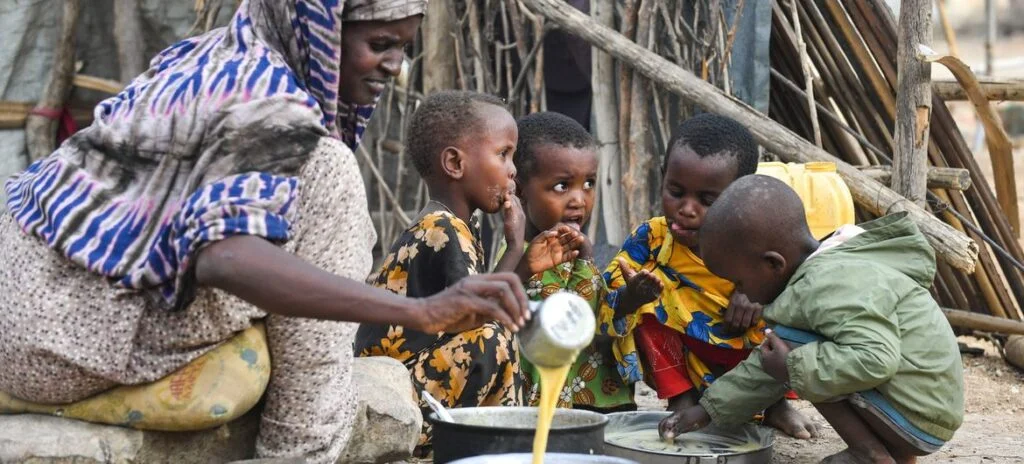
Nearly 80 million Ethiopians experienced moderate or severe food insecurity between 2023 and 2025, while more than two-thirds of the country’s population could not afford a healthy diet last year, according to the latest State of Food Security and Nutrition in the World 2026 report, which notes that its national estimate for Ethiopia does not include the war-torn Tigray region due to data limitations.
The 251-page report, jointly published by the Food and Agriculture Organisation (FAO), International Fund for Agricultural Development (IFAD), UNICEF, the World Food Programme (WFP), and the World Health Organisation (WHO), estimates that 79.4 million people, or 60.1 per cent of Ethiopia’s population, experienced moderate or severe food insecurity during the 2023–2025 period.
It marks a notable increase from 58.4 million people, or 56.2 per cent of the population, recorded during 2014-2016.
The report cautions, however, that “the estimates for Ethiopia exclude the Tigray region,” where food insecurity remains severe, driven by ongoing displacement, stalled peace implementation, and critical aid shortages.
Food affordability also remains a significant challenge.
According to the report, 67.9 per cent of Ethiopians, equivalent to about 92 million people, were unable to afford a healthy diet in 2025, despite improvements seen globally in recent years.
The cost of maintaining a healthy diet in Ethiopia also remained among the highest in East Africa.
The report estimates that the cost of a healthy diet in Ethiopia reached 4.75 purchasing power parity (PPP) dollars per person per day in 2025, exceeding neighbouring Kenya (4.50 PPP dollars), Uganda (3.74 PPP dollars) and Tanzania (3.53 PPP dollars).
Highlighting the significance of country-specific food systems, the report notes that international comparisons should be interpreted carefully because standardised global food baskets do not always reflect local dietary patterns.
“These are very important food items in Ethiopia and could well be included in the country’s Healthy Diet Basket, but they are excluded from the global and regional food lists because elsewhere they are hardly consumed,” the report says, referring to staple foods such as teff and ensete (false banana). It adds that “global and regional food baskets are therefore to be avoided when estimating the cost of locally consumed healthy diets that include context-appropriate foods.”
Food costs vary considerably across Ethiopia and cannot be fully understood through national averages alone.
“The cost of a healthy diet varies considerably across subnational areas,” it states, adding that studies found costs were “consistently lower in peri-urban areas than in urban centres” and generally higher in dryland areas than in non-dryland regions.
Rising agricultural input costs have also contributed to making healthy diets less affordable.
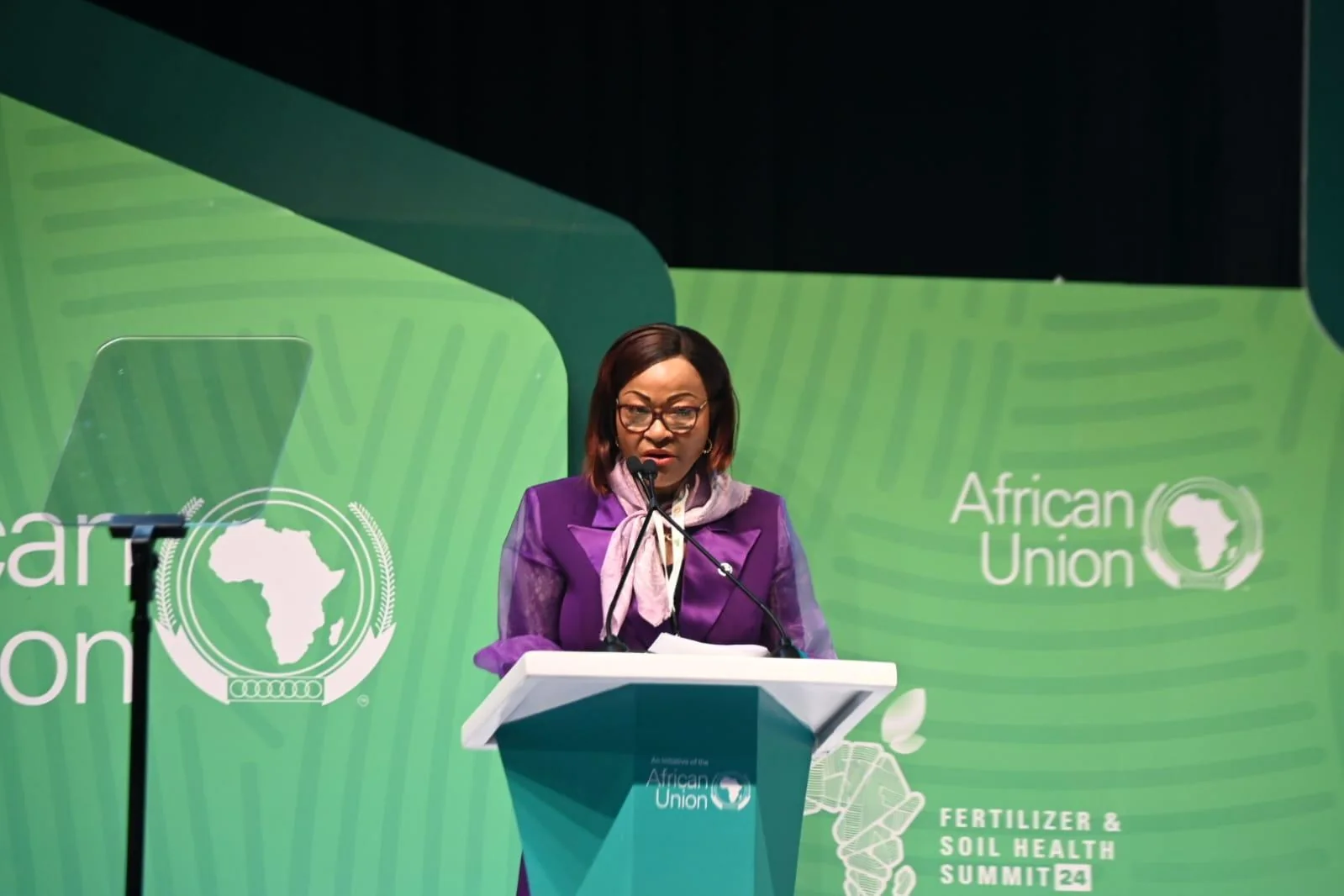
“Fertiliser prices more than tripled between 2019 and 2023” in Ethiopia, leading many farmers to reduce fertiliser use. Some 59 per cent of those surveyed “cited prohibitive prices as the main reason for foregoing fertiliser,” a trend the report links to lower agricultural productivity and higher food prices.
Reducing the cost of healthy diets will require investments beyond agricultural production alone, the report recommends. Making healthy diets more affordable will require coordinated investments in agricultural productivity, transport infrastructure, food markets and nutrition-sensitive policies, while adapting food affordability assessments to reflect local dietary realities rather than relying solely on standardised global food baskets.
“Post-farmgate activities account for 70 to 75 per cent of consumer food expenditures globally,” it said, emphasising the importance of transport, storage, processing and logistics. In Ethiopia, it highlights evidence that expanding rural roads narrowed the urban-rural food price gap by about three per cent, improving market integration and lowering food costs in deficit areas.
The finding echoes broader concerns raised by other food security monitors on Ethiopia’s food insecurity. A January 2026 report by the Famine Early Warning Systems Network (FEWS NET) projected that Ethiopia would remain among the five countries with the largest populations requiring urgent humanitarian food assistance by mid-2026, despite an expected decline in overall assistance needs compared with the previous year.
The report estimated that more than 15 million people would continue to require emergency food assistance, with the gravest needs concentrated among internally displaced communities and conflict-affected populations in Tigray and Amhara regions.
The outlook attributed the country’s persistent food insecurity to the combined effects of recurrent conflict, prolonged drought, inflationary pressures, and disruptions to social protection programmes, all of which continue to erode livelihoods and access to food.
Previous Addis Standard reporting has also highlighted the operational challenges facing humanitarian agencies, including technical data gaps and constraints affecting humanitarian information systems that have complicated needs assessments and international monitoring.












































Comments
Sign in with Google to comment, reply, and like comments.
Continue with Google