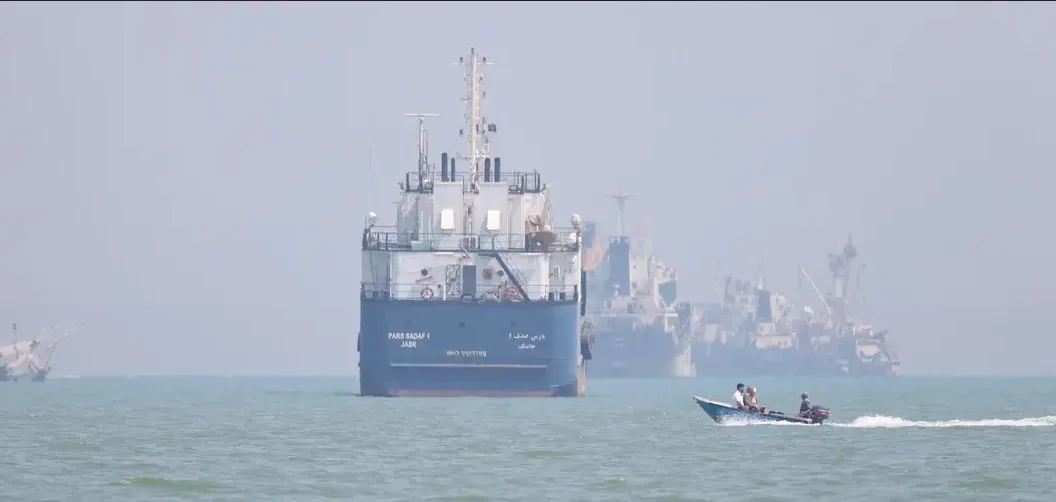
Parliament has raised at least 16 questions for Energy Cabinet Secretary Opiyo Wandayi as MPs seek answers over the importation of a disputed 60,000-metric-tonne super petrol consignment that entered the country outside the government-approved framework.
At the centre of the inquiry is who authorised the shipment and why it bypassed the established government-to-government arrangement, raising concerns over compliance and oversight within the energy sector.
Wandayi is expected to appear before the National Assembly Energy Committee on Tuesday, April 14, after he failed to appear before it on Thursday last week.
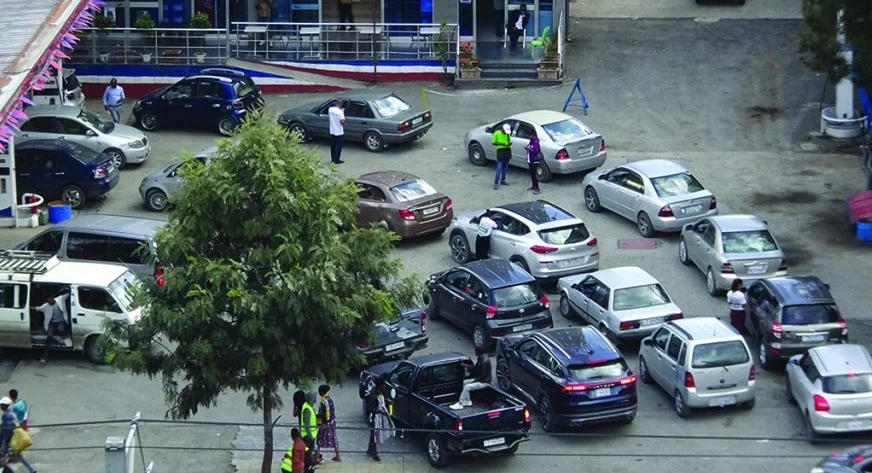
The National Assembly Energy Committee is seeking clarity on the fuel controversy as well as ongoing shortages affecting several parts of the country.
The row has already triggered high-level exits within the energy docket, including former Energy Principal Secretary Mohamed Liban, former Energy and Petroleum Regulatory Authority (EPRA) Director General Daniel Kiptoo, and former Kenya Pipeline Company Managing Director Joe Sang.
MPs have cautioned Wandayi against missing Tuesday’s session, insisting that the public is demanding answers on the matter.
They want the CS to detail who approved the disputed fuel consignments and under what authority they were allowed into the country outside the government-to-government arrangement.
The committee, chaired by Nakuru East MP David Gikaria, is also demanding supporting documentation, including whether approvals were verbal or written, whether any ministry or agency records exist for review, and confirmation on whether there was communication between the ministry and EPRA.
“The ministry and EPRA are to explain the legal policy provision under which petroleum imports were allowed outside the G-to-G arrangement and whether these provisions were adhered to in this instance. The specific legal and regulatory gaps that enabled this incident and what timelines have been set to address them,” the Committee said in a letter as quoted by Nation.
Wandayi is expected to appear alongside newly appointed EPRA Acting Director-General Joseph Oketch, as well as officials from the Kenya Pipeline Company (KPC) and the Kenya Revenue Authority (KRA). They are expected to explain where the quality assurance chain failed, including whether pre-shipment inspection was conducted, who conducted it, the outcome, who issued final compliance certification, and whether any disciplinary action has been taken.
The committee also wants EPRA to present documentary proof of pre-shipment inspections, port testing results, and final certification records for the affected consignments.
“The ministry, EPRA and KPC are to indicate where exactly in the supply chain the breakdown occurred that allowed substandard fuel to enter the domestic market, whether at the point of inspection, storage or distribution,” reads the letter.
MPs are further demanding clarity on which fuel quality standards were breached, why the deviations were not flagged in real time, and whether fuel tracking and monitoring systems were bypassed or compromised.
They also want confirmation on officers identified as responsible, the disciplinary or legal actions taken, and the current status of investigations.
“Who cleared it (substandard fuel) for certification and distribution, and which verification protocols KPC has at intake points and whether they were followed,” reads the letter.
Wandayi and Oketch are expected to disclose how much of the substandard fuel reached consumers and what measures have been taken to trace, recall, or neutralise it.
“Ministry and EPRA are to explain what safeguards failed in preventing this occurrence and the measures to ensure that such failures will not recur. Further, provide immediate corrective actions that have been taken against officers and institutions that failed in their mandate,” reads the letter.
The committee is also pushing for reforms to close loopholes in petroleum importation and quality control, including proposed legislative changes and the use of technology to reduce human discretion in certification processes. MPs also want confirmation on whether any test results were altered, waived, or conditionally approved, and by whose authority.
KPC has been directed to explain its due diligence before accepting fuel into storage and pipeline systems, and to identify who bears responsibility for any lapses. The ministry must also confirm whether any special permits, directives, or exemptions were issued to facilitate the imports.
Legislators further want clarity on why inter-agency coordination failed to stop the circulation of substandard fuel and whether weaknesses exist within the current government-to-government framework that could allow parallel imports.
Committee chair David Gikaria criticised the Cabinet Secretary for missing the earlier session, saying accountability is urgent.
“It is unfortunate that the CS can fail to appear before us over an issue of this magnitude that has economic effects. People don’t want to be accountable and transparent on this issue affecting the country,” he said.
He added, “The economy of this country is at stake. This is a matter of national importance, and we will not allow Parliament to be taken for granted by the ministry.”
Bomachoge Borabu MP Obadiah Barongo also called for accountability within the ministry.
“The absence of the CS before us, coming at a time when there is turbulence in the petroleum sector, is suspect. We must get answers, and he must come here and take responsibility,” he said.
“I have read in the media that the CS was aware; why then are we punishing other people and leaving others?” he posed.
In a letter dated April 8 to the Clerk of the National Assembly, Samuel Njoroge, Energy Principal Secretary Alex Wachira indicated that Wandayi would not attend the earlier sitting as he was on official duty abroad.



























Comments
Sign in with Google to comment, reply, and like comments.
Continue with Google