How UDA campaign team in Ol Kalou failed to connect with voters leading to landslide defeat- Shollei
Listen to article
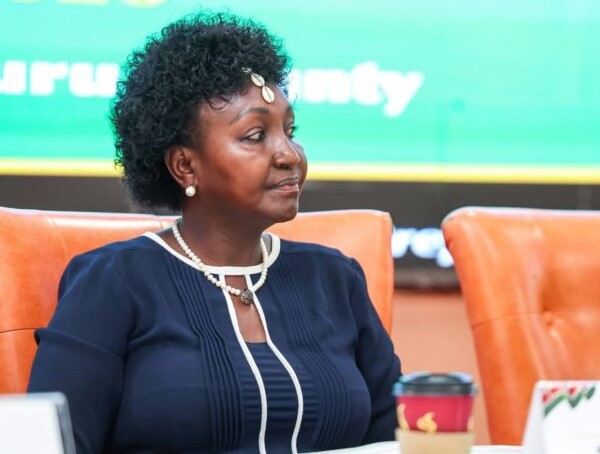
Shollei said she had watched a television expose' by a local media station that showed people being given money and pushed around during the campaign, arguing that such actions did not create genuine connections with voters.
National Assembly Deputy Speaker Gladys Boss Shollei has attributed the United Democratic Alliance (UDA) defeat in the Ol Kalou by-election to the party’s campaign approach, saying the loss was not a rejection of President William Ruto or the party.
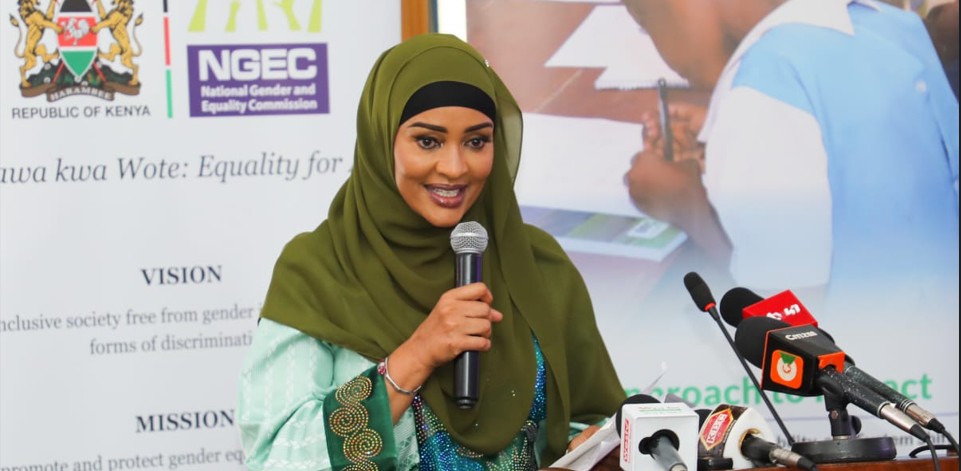
Speaking on Tuesday during the Women Achievers Conference and Awards 2026, Shollei said the manner in which UDA conducted its campaign contributed to the defeat, arguing that the use of money and other inducements during campaigns did not help the party’s chances.
She added that greater involvement of women in managing campaigns could also have improved the party’s chances of winning the seat.
More To Read
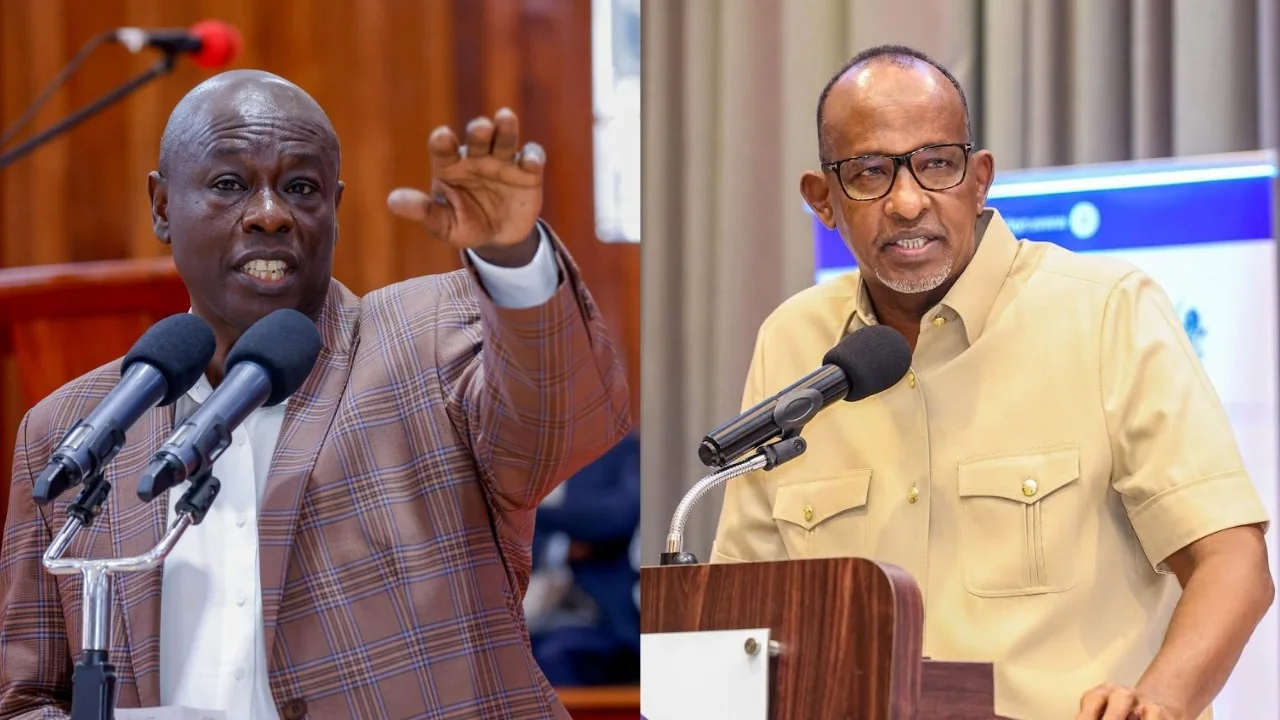
- NCIC investigating Gachagua, Duale, Ruku and five other leaders over alleged hate speech
- IEBC begins search for new CEO to replace Marjan Hussein Marjan, applications close August 11
- Ruto faces running mate dilemma as ODM demands DP slot in fresh challenge to Kindiki
- Parliament faces race against time to pass critical election and budget laws before 2027 polls
- Governor Irungu Kang’ata quits Ruto’s UDA party, joins Gachagua’s DCP
- Petitioner wants CS Rebecca Miano investigated over alleged use of State resources in Ol Kalou campaigns
"I watched the Ol-Kalou by-election, and my political party lost. But again, when you look at it, the reason why we lost is the manner in which we conducted the campaign. It's not that people are against UDA. It's the way we conducted the campaign. It was not a referendum against Ruto," she said.
Her remarks came after Democracy for Citizens Party (DCP) candidate Sammy Kamau Ngotho won the Ol Kalou by-election, defeating UDA candidate Samuel Muchina Nyagah. Ngotho, who was backed by former Deputy President Rigathi Gachagua, received 35,440 votes, while Nyagah garnered 5,450 votes.
Shollei said she had watched a television expose' by a local media station that showed people being given money and pushed around during the campaign, arguing that such actions did not create genuine connections with voters.
Latest Stories
- Snapchat now lets users share what they're listening to in real time: Here's how it works
- From dominance to decline: ODM battles waning influence in Nyanza, Western and Coast
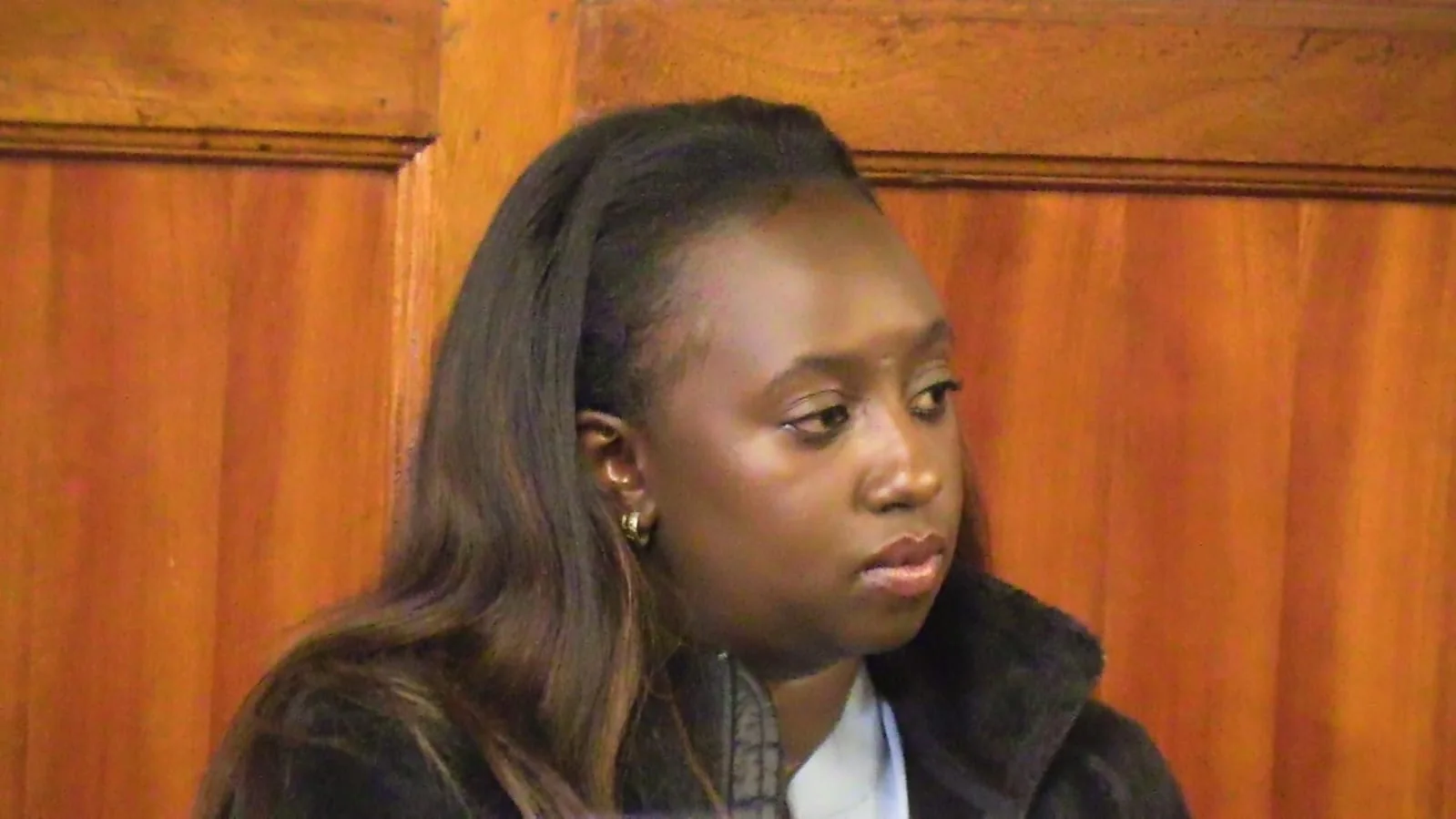
- High Court acquits rally driver Maxine Wahome in Assad Khan murder case
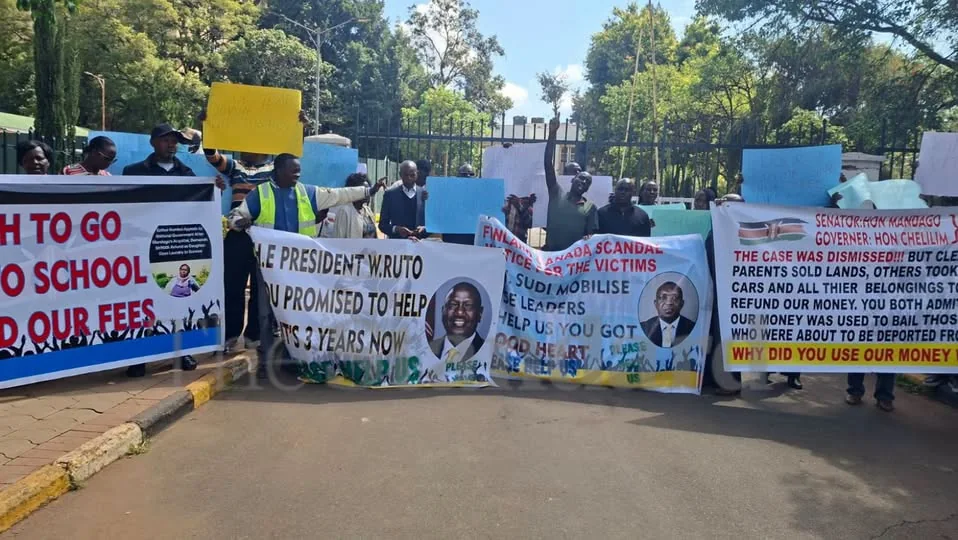
- Finland-Canada scholarship scam: Victims storm Uasin Gishu offices demanding refunds
“I remember watching an expose' by NTV, and the way I saw they were giving money and pushing three people; those people don't even know each other,” she said.
She emphasised that campaigns should focus on issues instead of displays of power or wealth.
“People don't remember what you gave them or what you did for them. They remember how you made them feel, because it's the humiliation of it, and that's why I say women run better campaigns... It's not about ego; it's about the issue. You just want to convince someone to vote for you. You're not dealing with the chest-thumping,” Shollei said.
The Ol Kalou by-election was seen as a political contest between President Ruto’s UDA and Gachagua’s DCP, with both parties seeking influence in Nyandarua County and the wider Mt Kenya region.
UDA backed Samuel Muchina Nyagah, while DCP supported Sammy Kamau Ngotho, who won the seat. Other candidates included Edwin Muchiri (PNU), Stephen Wanyoike (NLP), Rachael Njoroge (Independent), Edward Mwaniki (KMM), Abdifatah Hussein (FPK), Timothy Kamau (PRM), and Moses Njoroge Macharia (Jubilee).
IEBC had registered 73,480 voters across 144 polling stations in Ol Kalou Constituency. However, the election was disrupted by violence, with hooded and masked gunmen firing shots and throwing tear gas near the commercial centre and AC Primary School polling station. Several journalists were also injured and their equipment temporarily confiscated.
Former Executive Director at Amnesty International Kenya Irũngũ Houghton said the by-election raised concerns beyond the political outcome, warning about the state of Kenya’s electoral process.
Houghton said elections must reflect the will of voters and remain free from bribery, intimidation, violence, improper influence and misuse of public resources.
He added that IEBC must remain independent and impartial while ensuring all candidates, political parties, public officials and security agencies follow electoral rules.
“While elections produce both winners and losers, the real loser in Ol Kalou was not UDA’s candidate but the State itself. Unless Kenya radically reforms its electoral environment, the by-election offers yet another warning of how state conduct is undermining our electoral democracy. What lessons should we draw, and what must change before the 2027 General Election?” he wrote.
"With these trends, it is hard to call Ol Kalou a success. The people may have prevailed, but should any election be this corrupt or violent? After two months of documented abuses and repeated warnings, promises to “identify, investigate and arrest” those responsible ring hollow. Until we see arrests, prosecutions, convictions and fines, electoral criminals remain free to steal future elections."
Top Stories Today
Trending
















Comments
Sign in with Google to comment, reply, and like comments.
Continue with Google