The Democratic Republic of Congo’s (DRC) efforts to contain a growing Ebola outbreak are facing fresh pressure after frontline responders in the country’s hardest-hit province protested delayed payments, raising fears that critical disease-control activities could be disrupted.
According to the Associated Press, some health workers and other personnel involved in the Ebola response in Ituri province, eastern DRC, have not received salaries and promised bonuses since the outbreak was declared on May 15.
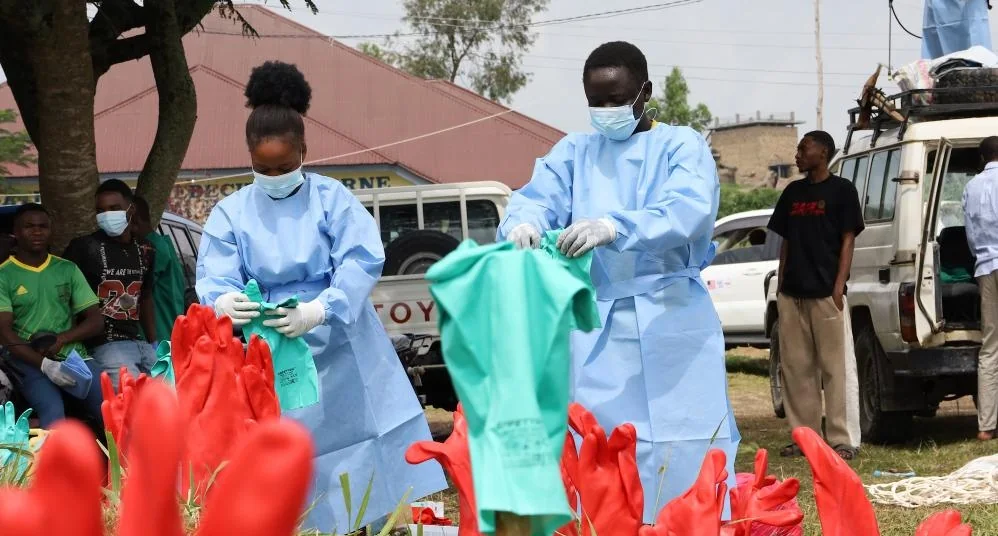
The affected workers include medical teams, disease surveillance officers, community outreach workers, security personnel and those responsible for safely burying Ebola victims, roles considered essential in preventing further transmission.
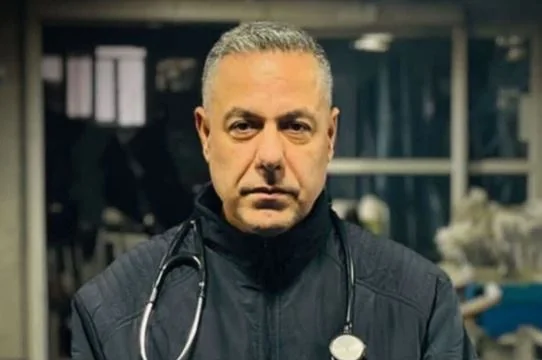
“Since the Ebola virus disease outbreak was declared, we’ve been demanding payment for our work,” Dr Biensi Kano, a member of the epidemiological surveillance committee in Ituri’s capital, Bunia, told AP.
Some responders have already stopped working, while others have warned they could take broader industrial action if their complaints are not resolved.
Beyond payment concerns, responders have also reported shortages of protective equipment and difficulties working in communities where some residents remain sceptical about the disease. Health workers have also faced attacks while carrying out their duties.
The disruption comes at a critical moment as health authorities attempt to control an outbreak that has continued to spread. Latest figures cited by DRC health officials show 1,708 recorded cases and 580 deaths, with the first month of the outbreak described as the worst on record.
The dispute is also unfolding as DRC begins enrolling participants in clinical trials for treatments targeting the Bundibugyo strain of Ebola, the virus responsible for the current outbreak.
The World Health Organisation (WHO) launched a clinical trial in the country last week to test whether two experimental treatments can improve survival during an outbreak of Ebola caused by the Bundibugyo virus.
There are currently no approved treatments for Ebola caused by the Bundibugyo virus, and existing therapies for other Ebola strains do not work across all types of the disease, leaving a significant gap in care during outbreaks.
The trial is testing two antiviral treatments: a monoclonal antibody known as MBP134 and the antiviral drug Remdesivir, and will also examine whether combining them improves outcomes.
The trial is a randomised controlled study enrolling patients of any age with confirmed infection. All participants will receive standard supportive care and will be monitored for at least 28 days.
According to the WHO, additional treatments can be added to the trial over time if they meet scientific and safety requirements.




























Comments
Sign in with Google to comment, reply, and like comments.
Continue with Google