UDA defends fuel policy, accuses opposition of spreading misleading and politicised misinformation
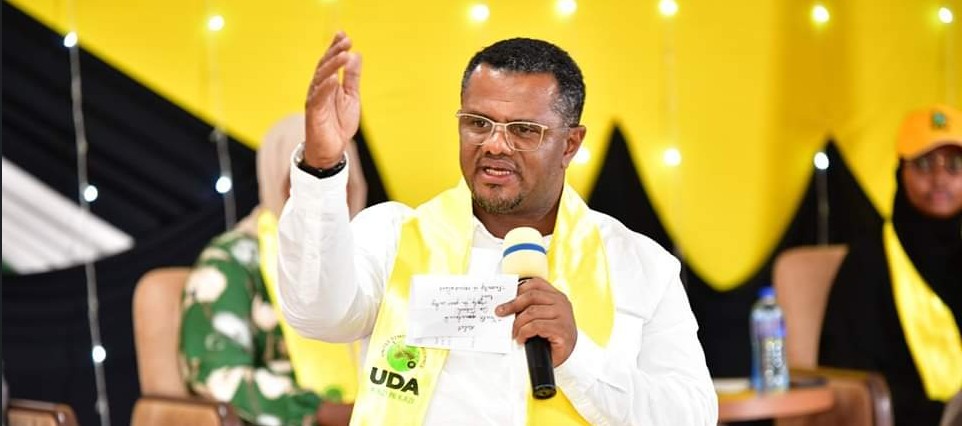
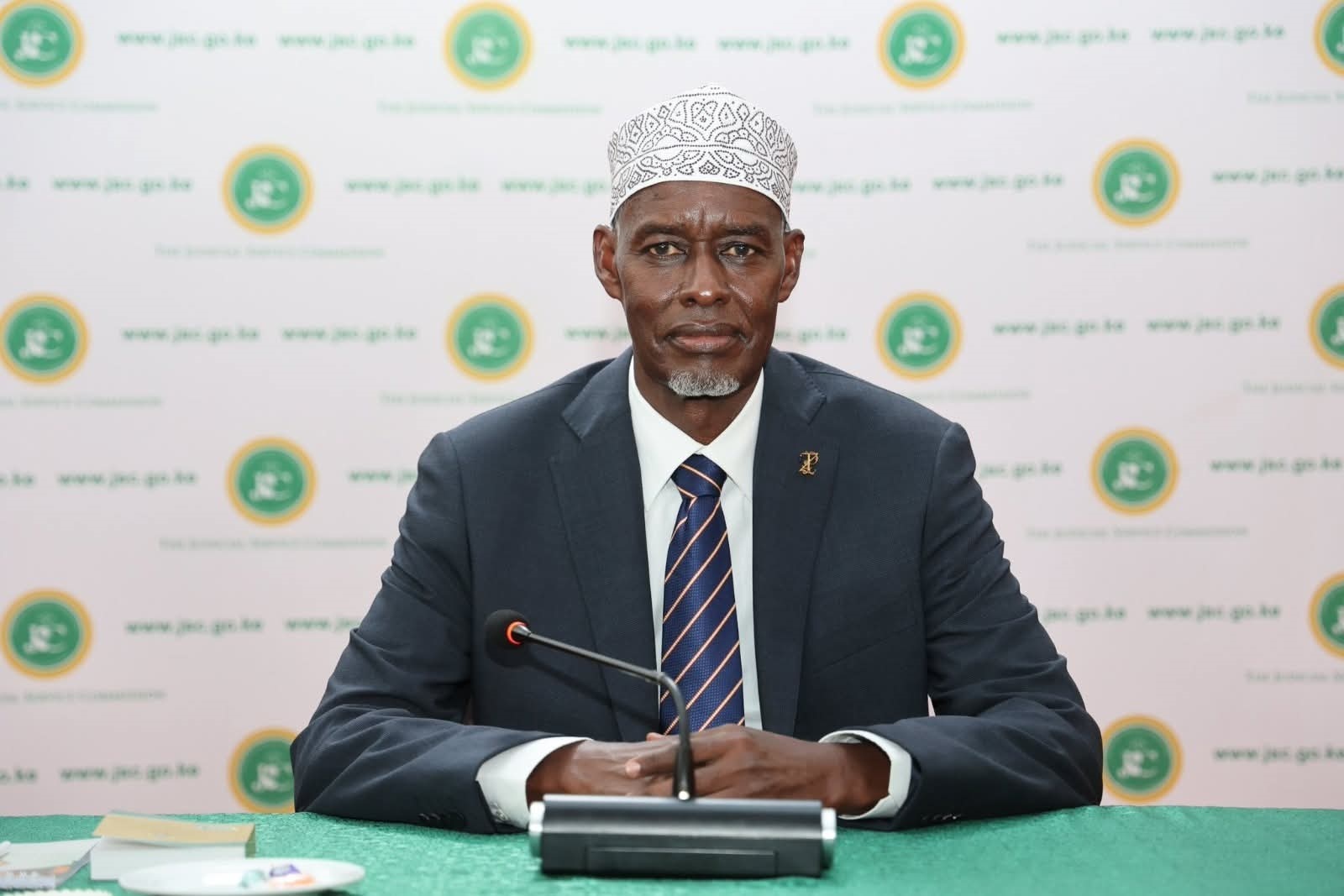
UDA Secretary General Hassan Omar accused the opposition of distorting facts about fuel pricing, saying the current spike is largely driven by global conditions, including conflict in the Middle East, rather than domestic policy failures.
The United Democratic Alliance (UDA) has dismissed claims made by the opposition linking the ongoing fuel crisis to government policy failures, insisting that the allegations are misleading, politicised and disconnected from global energy realities.
Addressing the press on Thursday, UDA Secretary General Hassan Omar accused the opposition of distorting facts about fuel pricing, saying the current spike is largely driven by global conditions, including conflict in the Middle East, rather than domestic policy failures.
“Let me start. The attention of the UDA has been drawn to a rather amusing media conference staged by the opposition. Let me start describing the press conference content as deceitful, amusing, given that most of the details were outright lies, laughable, and a calculated misrepresentation of facts. I wish to reiterate that the government has been undertaking concerted efforts to cushion Kenyans from the effects of high prices of the imported products,” Hassan said.
More To Read
- EPRA halts public hearings on electricity tariffs after Kenya Power withdraws review
- KRA loses Sh9.1 billion in a month after fuel VAT cut from 16 to 8 per cent
- April fuel price hike unjustified, majority of Kenyans say - TIFA
- MPs seek loan repayment relief for transport operators to cushion commuters from high fares
- Nyoro calls for six-month fuel relief plan to ease cost of living pressure
- Inflation hits 2-year high of 6.7 per cent in May as prices surge for third straight month
“We in government are working hard, and we will continue responding to misinformation from the opposition,” while further describing the opposition’s remarks as “misleading, full of lies, and a misrepresentation of facts.”
Hassan insisted that the government has implemented a series of measures to ease pressure on consumers, including releasing Sh6.2 billion from the Petroleum Development Levy Fund and reducing Value Added Tax (VAT) on fuel from 16 per cent to eight per cent.
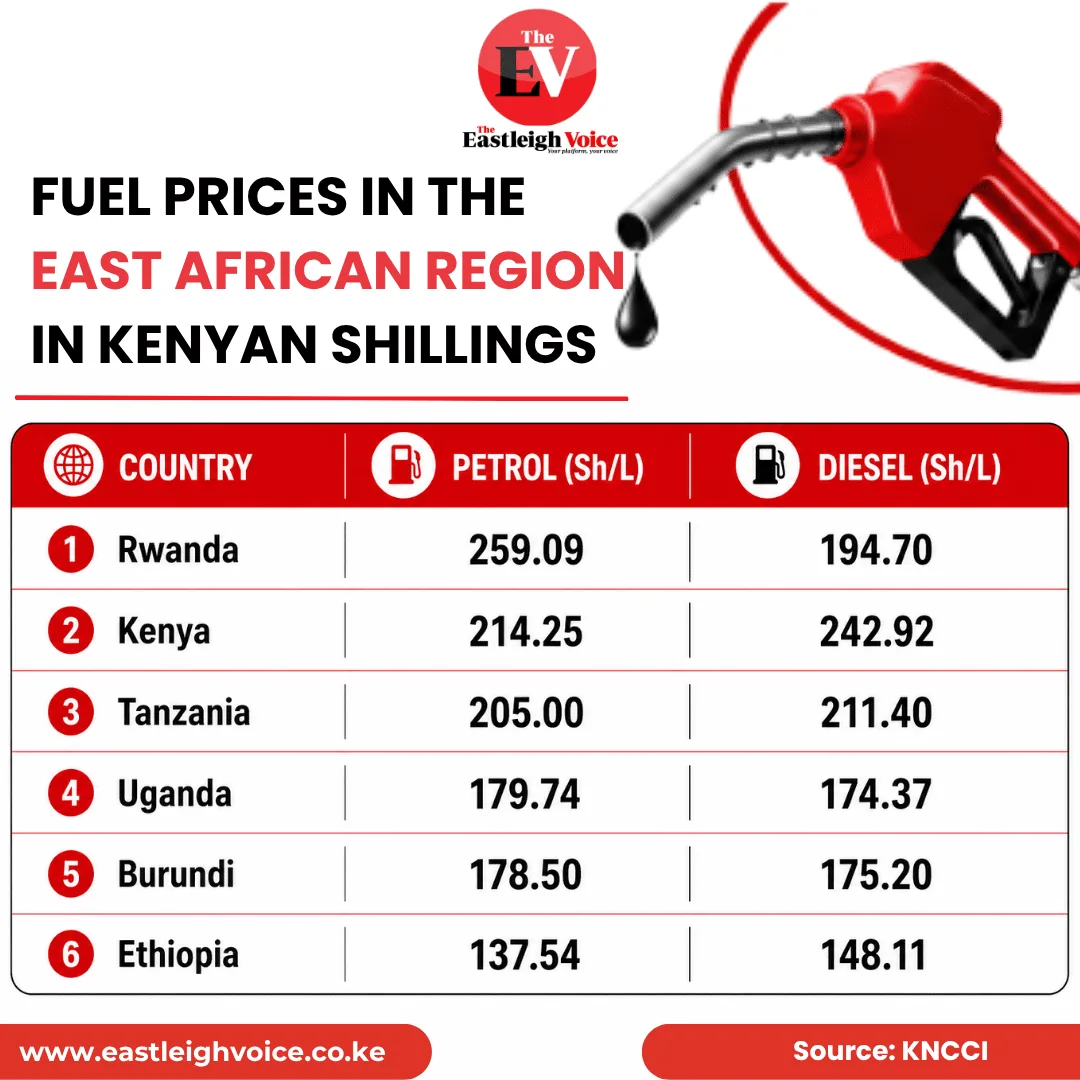
He said these interventions have helped stabilise prices, pointing to current pump rates of petrol at Sh197.60, diesel at Sh193.63 and kerosene at Sh153.68.
Latest Stories
- DRC Ebola cases climb to 515 after 27 new infections reported
- Eric Omondi released on Sh100,000 bond after denying traffic obstruction charges in Nairobi
- Government proposes sale of non-personal public data to boost revenue
- Former CJ Maraga among several arrested over Nairobi National Park land protest
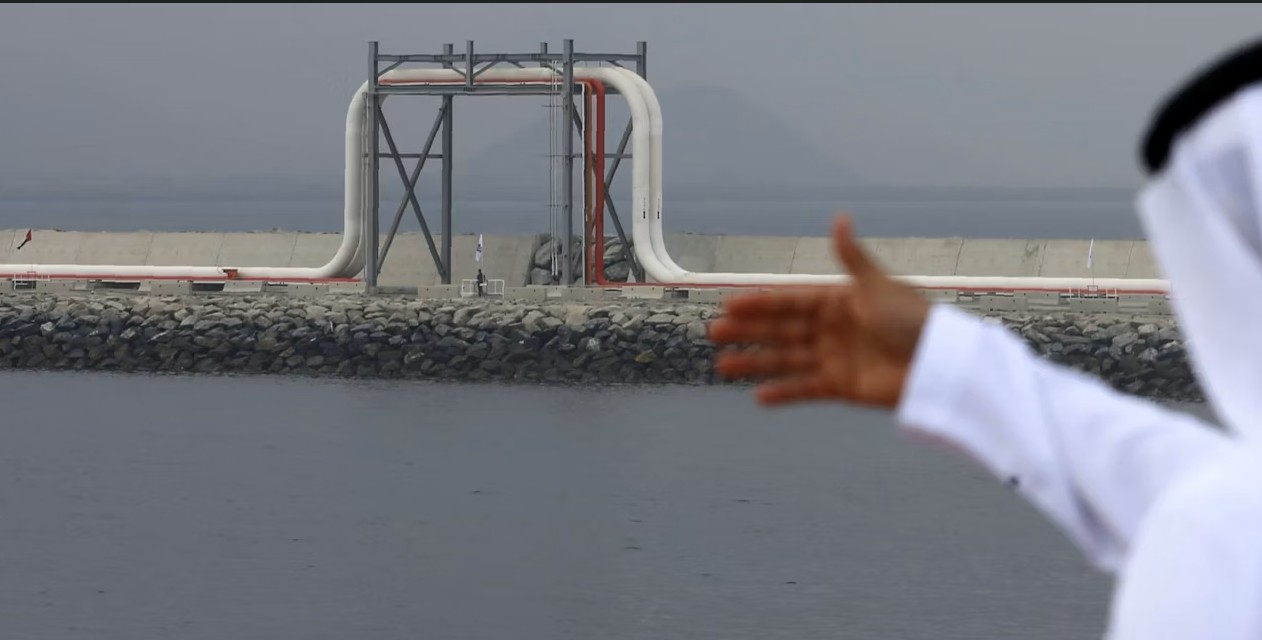
According to Hassan, the ongoing fuel situation is “driven by global factors, especially the conflict in the Middle East,” dismissing claims that the crisis is locally manufactured.
He defended the government-to-government (G2G) fuel import arrangement, arguing that it has “ensured steady fuel supply, reduced pressure on the US dollar and supported overall economic stability".
Hassan further claimed that some opposition figures who are now criticising the G2G arrangement had previously supported it when it was introduced in 2023.
On a recent attempt to import fuel outside the G2G framework, Hassan said the deal was stopped because it was “illegal”, “more expensive” and involved “substandard fuel”. He added that if it had proceeded, petrol prices would have risen to about Sh236 and diesel to Sh260, stating, “We cancelled that import to protect Kenyans”.
He dismissed calls for mass action over the rising fuel prices, saying protests were misplaced because global market dynamics were the main driver of costs.
Hassan also criticised proposals to scrap key levies and funding streams such as the housing levy, NSSF and infrastructure financing, arguing that such moves would undermine national development.
He further claimed that Kenya pays higher fuel prices than some neighbouring countries because it is classified as a middle-income economy, unlike nations such as Tanzania.
In a sharp attack on the opposition, Omar said, “If you look at the face of the opposition when they give a press conference, it is the ugliest representation of past regimes… the ugliest face of everything that is wrong about Kenyan politics is reflected in that opposition.
Other Topics To Read
Top Stories Today
Trending






















Comments
Sign in with Google to comment, reply, and like comments.
Continue with Google