A new site profiling assessment by the Shelter, Land and Site Coordination (SLSC) Cluster has found that displacement in Ethiopia’s Tigray region remains highly dynamic, with several internally displaced persons (IDP) sites recording population increases driven by new arrivals and secondary displacement, even as others have seen declining populations following returns and relocations. The assessment also warns of widespread humanitarian shortfalls, particularly in food, shelter, protection, health and water services.
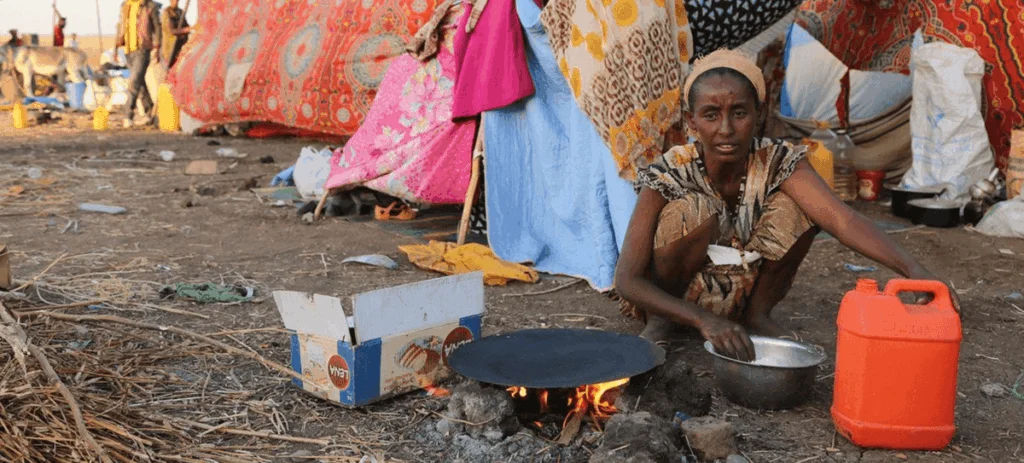
The July 2026 assessment covered 78 displacement sites across five zones and 21 woredas, targeting an estimated 307,000 internally displaced people (IDPs). According to the report, 67 sites (84 per cent) are collective centres, primarily schools and other public buildings, while 11 sites (14 per cent) are planned displacement sites, with the remainder living within host communities.
“The assessment provides an updated overview of displacement trends and humanitarian conditions,” the report states. “Findings indicate dynamic population movements, with some sites recording population increases due to new arrivals and secondary displacement, while others have experienced population declines or closure following returns, relocations, and other durable solutions.”
Although the bulletin does not identify the individual sites experiencing new influxes, it shows that 47 of the 78 assessed sites recorded increasing populations, 30 remained stable, and one site registered a population decline during the three months preceding data collection, underscoring that displacement continues despite ongoing return initiatives.
The assessment describes uneven humanitarian coverage across Tigray.
In the Central Zone, which hosts approximately 19 per cent of Tigray’s IDP population, none of the assessed displacement sites has dedicated site management support, limiting coordination, community engagement and systematic identification of humanitarian needs. Meanwhile, in the North Western Zone, where most site management partners currently operate, approximately 75 per cent of site management agencies are expected to phase out by the end of September, raising concerns over the continuity of humanitarian coordination.
Across the assessed sites, humanitarian assistance remains insufficient. Food assistance recorded the largest gap, with 95 per cent of sites reporting that food aid was available but inadequate. Nutrition services were reported as insufficient in 74 per cent of sites, followed by health (73 per cent), WASH (62 per cent), education (59 per cent) and shelter and non-food item assistance (55 per cent). The report concludes that although assistance is reaching many sites, “the scale of response remains inadequate.”
The cluster further identified the largest service gaps in livelihoods, protection, shelter/NFI and site management, adding that more than half of the assessed woredas did not have a single site reporting adequate conditions across WASH, shelter, health and nutrition sectors.
The latest findings come months after Tigray authorities warned of an escalating humanitarian catastrophe inside the camps. In March 2026, regional officials told Addis Standard that more than 1,300 internally displaced people had died from hunger and lack of medicine across displacement sites, describing deteriorating humanitarian conditions amid declining aid flows.
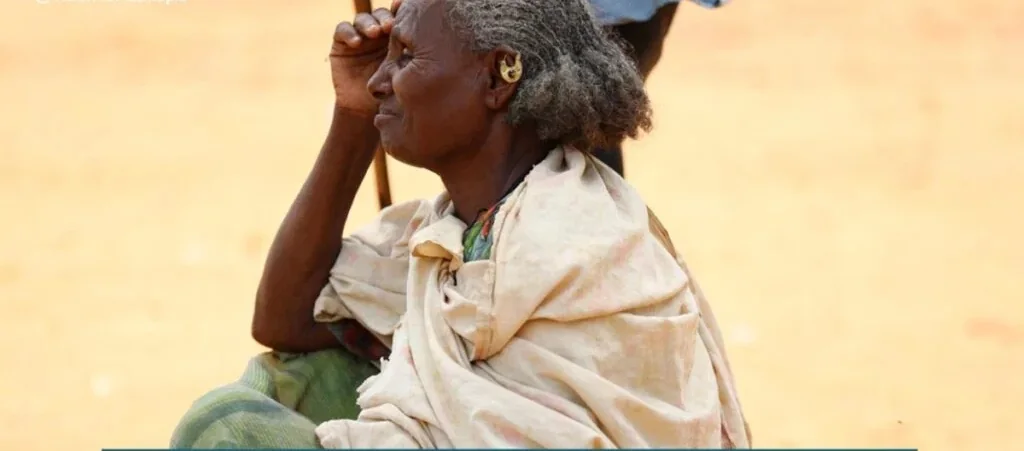
Conditions have been particularly severe in Hitsats IDP Camp, where Addis Standard previously reported that at least 333 displaced people died between May 2025 and early 2026, while more than 1,700 others remained in critical condition. Camp residents said they were forced to sell as much as half of their irregular food rations simply to pay for grain milling and access to water.
The renewed population increases also coincide with continued uncertainty surrounding returns to areas of origin. Authorities in Tigray have repeatedly rejected federal government repatriation plans, arguing that early returnees sent to areas bordering Western Tigray faced harassment, killings and renewed displacement by local armed groups. Separately, Human Rights Watch has documented arbitrary detention, land confiscation and movement restrictions affecting Tigrayans seeking either to remain in or return to Western Tigray, further complicating prospects for durable solutions.
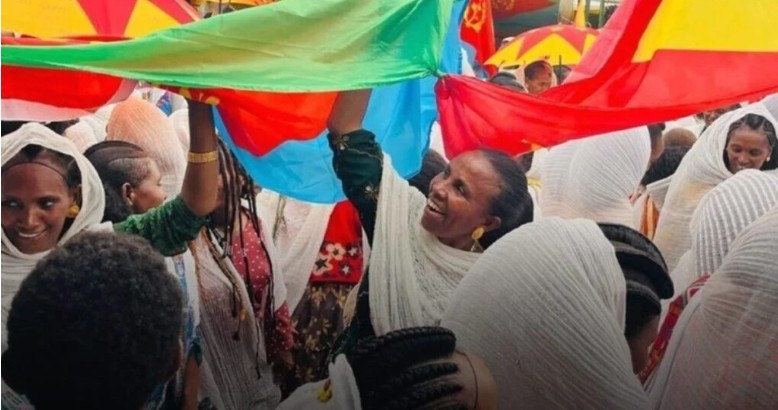
The worsening humanitarian situation has fueled a series of public demonstrations by displaced communities in 2025. Under the “Yak’el” (“Enough is Enough”) campaign organised by Tsilal Western Tigray Civil Society, IDPs rallied in Mekelle’s Romanat Square as well as in Shire, Adigrat and Aksum, urging the federal government and international actors to intervene before conditions in the camps deteriorated further.
The latest cluster assessment indicates that protection risks remain widespread. Forty-five of the 78 sites reported having no protection services, while the remaining 33 sites said available services were insufficient.
WASH conditions were equally concerning, with only four sites reporting adequate services, 27 sites having no WASH services, and 47 reporting insufficient coverage, increasing the risk of disease outbreaks. Shelter assistance was unavailable in 36 sites and insufficient in 42, while health services were unavailable in 20 sites and inadequate in 55.
The report also highlights persistent protection concerns, including child protection risks in 64 sites, safety concerns affecting women and girls in 55 sites, gender-based violence risks in 46 sites, and barriers facing persons with disabilities in 39 sites. Overall, 10 sites were classified as facing critical humanitarian risk, 22 as high risk, 44 as moderate risk, and only two sites as low risk.
The SLSC Cluster called for sustaining site management capacity, expanding multisectoral assistance, rehabilitating shelters and site infrastructure, strengthening protection services, and improving preparedness for seasonal flooding and other hazards, warning that without sustained support, deteriorating conditions could further aggravate displacement across the region.










































Comments
Sign in with Google to comment, reply, and like comments.
Continue with Google