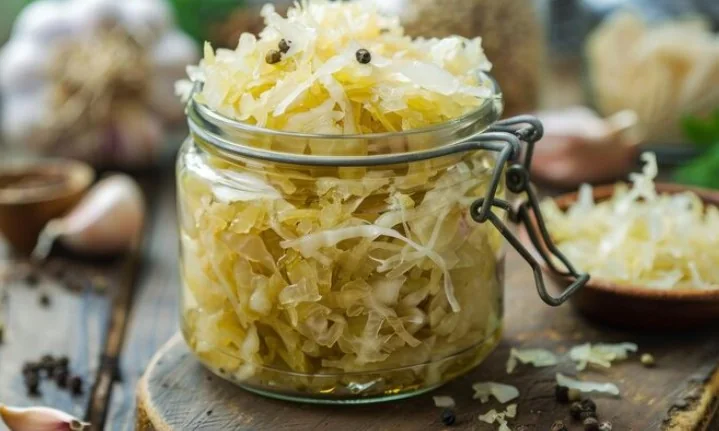
As interest in gut health and traditional food preservation grows, fermented cabbage, known globally in forms such as sauerkraut and kimchi, is re-emerging as a staple in modern kitchens.
Once relied on for survival and food storage before refrigeration, this simple preparation is now being revisited for its potential digestive and nutritional benefits.
Nutritionists and food researchers note that fermentation not only preserves cabbage but transforms it, creating tangy flavours and producing compounds that may support gut health.
Why fermented cabbage is gaining attention
Fermented cabbage is created through natural lactic acid fermentation, where beneficial bacteria break down sugars in raw cabbage. This process produces organic acids, enzymes, and bioactive compounds while also extending shelf life.
Across food science and nutrition discussions, fermented foods are associated with several potential benefits:
• May support a healthier gut microbiome
• Can aid digestion in some individuals
• May contribute to improved nutrient absorption
• Provides fibre, vitamin C, and vitamin K
• Contains naturally occurring beneficial fermentation byproducts
Researchers emphasise that fermented foods are not medicinal treatments, but they can be part of a balanced diet that supports overall digestive wellness.
What happens when you eat fermented cabbage regularly?
Dietary studies and nutrition observations suggest that consistent intake, such as over 30 days, may lead to gradual changes rather than instant results.
Some commonly reported effects include:
• Increased tolerance to fermented foods over time
• Improved digestion and bowel regularity in some individuals
• Temporary bloating or gas during early introduction
• Greater dietary diversity when used as a regular condiment
Experts caution that results vary widely depending on individual gut health, diet, and portion size.
Introducing fermented foods slowly is recommended. Especially for people individuals with sensitive stomach conditions, including gastritis or H. pylori-related irritation, fermented foods may need careful moderation due to their acidity.
How to make fermented cabbage at home
One of the reasons fermented cabbage remains popular worldwide is its simplicity. It requires minimal ingredients, no special equipment, and relies entirely on natural fermentation.
Ingredients
• 1 medium head of cabbage (about 1 kg)
• 1 to 1½ tablespoons non-iodized salt
Optional flavor additions
• Garlic cloves
• Ginger slices
• Caraway seeds
• Black peppercorns
• Chili flakes or mild spices
Step-by-step method
Slice the cabbage finely into thin strips and place in a large bowl and sprinkle salt evenly.
Massage the cabbage for 5–10 minutes until it softens and releases liquid.
Pack the cabbage tightly into a clean glass jar or fermentation container. Not plastic.
Pour in all released liquid to fully submerge the cabbage. Add a weight to ensure everything stays under the brine (cabbage water).
Cover loosely to allow gases from fermentation to escape and store at room temperature away from direct sunlight.
Fermentation timeline
• Days 1–3: Natural bubbling begins as fermentation activates
• Days 4–7: Sour aroma starts developing
• Days 7–14: Flavour becomes noticeably tangy
• Weeks 2–4: Full fermentation develops deeper taste complexity
Once the flavour reaches preference, the jar should be refrigerated to slow fermentation.
How to tell it’s successful
Properly fermented cabbage should:
• Smell pleasantly sour but not rotten
• Remain submerged in liquid
• Stay crisp rather than slimy
• Show mild bubbling during early fermentation
If mould appears, or if the smell becomes foul or unpleasant, the batch should be discarded.
Serving ideas
Fermented cabbage can be enjoyed in many ways:
• As a side dish with meals
• In sandwiches, eggs and wraps
• Mixed into salads or grain bowls
• Paired with grilled proteins
• As a topping for roasted vegetables or potatoes
A return to simple food traditions
As modern diets increasingly focus on processed convenience foods, fermented cabbage represents a return to simple, low-cost food preservation techniques that also offer potential nutritional value.
With just cabbage and salt, households can create a living food that connects traditional culinary knowledge with today’s growing interest in gut health and whole-food nutrition.
















































Comments
Sign in with Google to comment, reply, and like comments.
Continue with Google