CS Mbadi defends government's Safaricom share sale as lawful and transparent
Listen
Read this story aloud
Listen to the clean text version of this article.
Responding to criticism from opposition leaders, Mbadi challenged those opposed to the transaction to demonstrate that they had similarly consulted Kenyans before rejecting the government's decision.
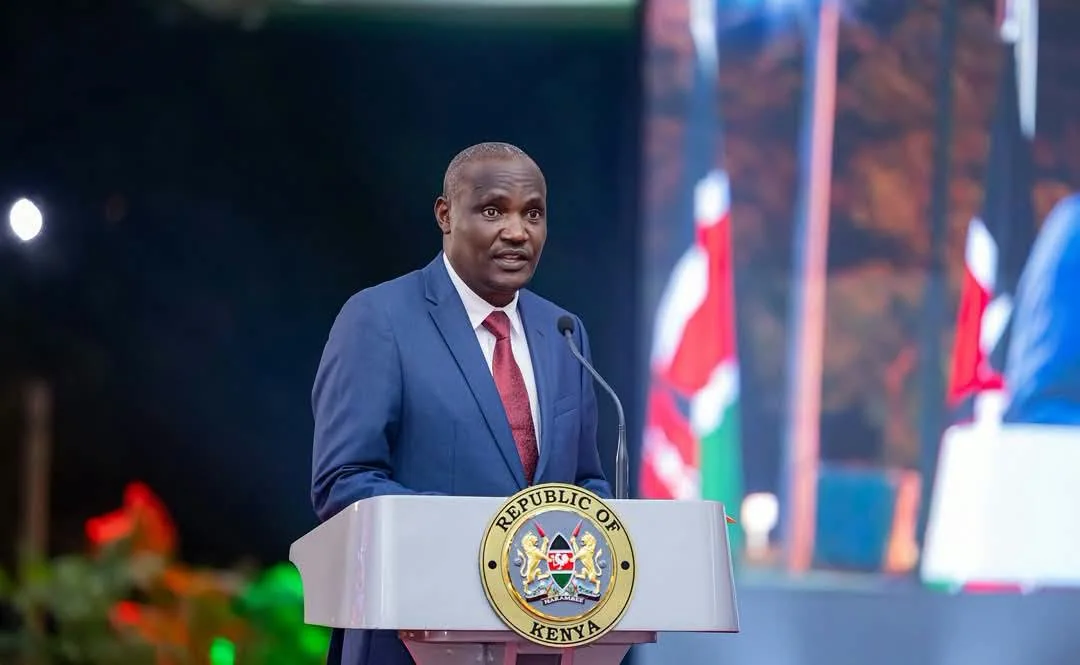
Treasury Cabinet Secretary (CS) John Mbadi has defended the government's partial divestiture of its shares in Safaricom, saying the transaction was lawful, transparent and aimed at financing infrastructure projects.
Speaking in Kisumu on Saturday, Mbadi dismissed criticism from opposition leaders over the transaction, maintaining that the government acted within the law and would continue to respect the ongoing court process.
He said the sale was intended to finance commercially viable infrastructure projects through the National Infrastructure Fund and was undertaken under Section 87A of the Public Finance Management Act, 2012, following approval by the National Assembly and public participation conducted in line with Articles 10 and 118 of the Constitution.
More To Read
- Vodacom completes Safaricom acquisition deal delivering Sh244.5 billion to government
- Vodafone cleared to acquire 15 per cent Safaricom stake without takeover offer
- Court petition challenges government's constitutional authority to sell Safaricom shares
- Court of Appeal clears way for Safaricom share sale as Treasury wins bid to lift injunction
- Safaricom tightens grip on Kenya mobile market, adds 5.5 million subscribers
- Court dismisses bid to bar lawyers in Safaricom stake sale case
“The transaction was undertaken pursuant to Section 87A of the Public Finance Management Act, 2012, following National Assembly approval and public participation conducted in line with Article 10 and 118 of the Constitution,” Mbadi said.
The CS added that the government had fully participated in the court proceedings challenging the transaction and would abide by the outcome.
 Safaricom headquarters, Westlands, Nairobi. (Photo: Handout)
Latest Stories
"The government has participated fully in the proceedings and will abide by the final determination of the court. We have respected every court order issued so far and will continue doing so," he said.
Mbadi said that although the High Court had initially issued conservatory orders stopping the transaction, the Court of Appeal later lifted the temporary orders, allowing the sale to proceed.
He also defended the public participation process, saying he personally conducted forums in Migori, Kakamega, Nakuru, Eldoret, Kiambu, Meru and Kilifi before Parliament considered the proposal, while the National Assembly also carried out its own public participation through the relevant committees.
“This is an exercise that was done meticulously and within the law, respecting the provisions of Article 10 and Article 118 of the Constitution,” he said.
Responding to criticism from opposition leaders, Mbadi challenged those opposed to the transaction to demonstrate that they had similarly consulted Kenyans before rejecting the government's decision.
Mbadi maintained that questions regarding the valuation, timing and strategic significance of the transaction remain before the courts and should be resolved through the constitutional process, adding that the government remained confident the divestiture was conducted within the applicable legal and governance framework.
Other Topics To Read
Top Stories Today















































Comments
Sign in with Google to comment, reply, and like comments.
Continue with Google